








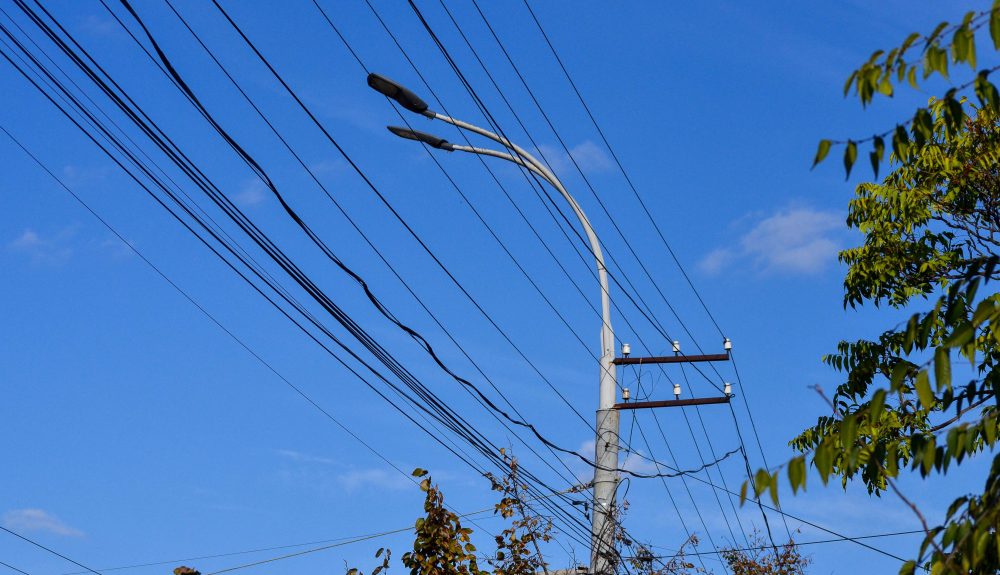
Let’s talk about utility vegetation management a.k.a. line-clearing. You know the drill: trucks idling at dawn, coffee gone cold in the cup holder, and that one hickory leaning like it’s trying to whisper secrets to the power lines.
We’ve all been there—boots on the ground, hands sticky with sap, squinting up at a tangle of branches and wires. But between the rush of deadlines and the hum of chainsaws, there’s always room to ask: Wait, did we miss something here?
In this blog, we address tree utility vegetation management risks, sustainable tree management, and other key risks you should be thinking about.
The “Why” That’s Bigger Than Just Cutting Branches
Utility vegetation management isn’t just about keeping the lights on . It’s a dance between safety, ecology, and OSHA, ANSI, and your state’s Public Utility Commission.
Think about it: a single overgrown limb can cause wildfires, outages, or worse. But here’s the worst part—every cut we make ripples through the ecosystem. Protected species like red-shouldered hawks nest in those branches. Fungi thrive in the decaying wood we leave behind. And let’s not forget: that white oak you’re pruning has been around longer than any of us. So yeah, it’s not just a job. It’s a balancing act.
When the Utility Company Knocks…
Ever get a utility vegetation management work order that feels impossible to carry out, realistically?
You’re not alone. Utility companies need clearance, but their idea of “trimming” can sometimes clash with ANSI A300 standards.
The solution is communication. Ask for their specs upfront. Get clarity on voltage zones (high-voltage vs. distribution lines—the clearance distances aren’t the same). And if their request seems questionable, push back. Politely. Offer to explain why. They might not know that topping that Bradford pear will turn it into a hazard. We do.
The Art of Reading Trees
You’ve assessed a thousand trees as part of utility vegetation management jobs. But a little checklisting never hurt anyone.
When sizing up a tree near lines, don’t just look for deadwood. Check for:
- Lean patterns: Is it shifting toward the lines or away? Nor’easters or Santa Ana winds change everything.
- Root zones: Compacted soil from machinery? That “stable” oak might be a sneaky fall risk.
- Species quirks: Silver maples snap easy. Honey locust? Those thorns are nature’s barbed wire. Adjust your cuts accordingly.
And here’s a pro tip: Mark your drop zones before the crew starts cutting. Sounds obvious, but when you’re juggling three radios and a cranky chipper, it’s easy to skip steps.
Cuts That Don’t Come Back to Haunt You
We’ve all seen hack utility vegetation management jobs—trees butchered into palm-tree silhouettes. Speed kills. Rushed cuts lead to torn bark, uneven weight distribution, and future rot.
Slow down. Make clean, angled cuts just outside the branch collar. And if you’re using spikes on a tree that’s staying? Probably not a good idea. You’re not just leaving holes; you’re inviting disease.
Gear Up Like You Mean It (Because OSHA Does)
Hard hats and gloves? Check. But let’s dig deeper:
- Class 2 voltage-rated gloves: If you’re near live lines, these aren’t optional. Test them daily.
- Non-conductive tools rated for 50kV: Fiberglass poles aren’t just lighter; they’re lifesavers.
- ANSI Z87.1-rated eye pro with UV coating: Sun glare off power lines is no joke.
Also, don’t forget: Any harnesses that feel even a little “shaky” need to be retired.
The Unseen Stuff: Birds, Bees, and Paperwork
Ever cut into a branch and found a nest? It happens. Most crews know to check for active nests, but what about bats (protected under the Endangered Species Act)? Or bald-faced hornets? Brush up on federal Migratory Bird Treaty Act rules—they’re tighter than you think and crucial to your utility vegetation management jobs.
Also, this can never be underscored enough. Document everything. Photos of the pre-cut tree, notes on decay patterns, even the weather that day. Why? Because when a client claims you killed their Japanese maple, that data can save you from penalties.
Environmental Pushback
Clear-cutting under lines is easy. But clients and communities are waking up to sustainability. Could this corridor be a candidate for Integrated Utility Vegetation Management instead? Can we leave wildlife trees? Sometimes, the answer’s no. But asking the question keeps us sharp—and keeps the public from painting us as tree haters.
TreePro Helps You Master Utility Vegetation Management
Utility vegetation management is a high-stakes balancing act: protecting ecosystems, complying with complex regulations, and avoiding catastrophic risks like wildfires or outages. You face these challenges daily—amidst preserving nesting habitats, negotiating utility specs, and documenting every cut.
But your expertise alone isn’t enough. To thrive, you need an insurance who understands their risks and equips you to prioritize safety, sustainability, and business longevity.
Here’s how TreePro has your back for sustainable tree management:
- Safety & Compliance, Simplified
TreePro’s tailored insurance and risk management services ensure crews meet OSHA, ANSI, and utility standards effortlessly. From voltage-rated gear to crane/boom coverage, policies fund critical safety upgrades (non-conductive tools, UV-protected eyewear) while mitigating violations. Proactive risk assessments help arborists avoid fines, protecting both workers and reputations. - Guarding Against Environmental & Wildfire Liabilities
Sustainable practices—like avoiding over-pruning or preserving wildlife trees—carry inherent risks. TreePro’s wildfire liability coverage (available nationwide, including California) and jobsites pollution protection shield arborists from financial fallout if protected species are impacted or a controlled burn escalates. This lets crews focus on eco-conscious strategies, not lawsuits. - Resolving Client & Utility Conflicts
When utility companies demand questionable cuts or clients dispute tree damage, TreePro’s arborist E&O coverage and legal support turn disputes into manageable solutions. Documentation guidance also strengthens arborists’ credibility, ensuring specs align with ANSI A300 standards. - Future-Proofing Growth
From cyber liability to employment practices coverage, TreePro addresses emerging risks so your business can invest in sustainable growth—like eco-equipment or staff training—without financial vulnerability. Flexible payment plans and competitive rates keep overhead low, even in volatile markets.
Also worried about crew-related risks–injuries, falls and long-term posture-related issues? Find out how to deal with these risks in our blog Common Workers’ Compensation Claims in Arboriculture–And How To Prevent Them.
The Bottom Line
With A+ AM Best-rated policies, specialized wildfire protection, and industry-specific risk coaching, TreePro lets you focus on what you do best: ethical tree care that protects communities and ecosystems alike.
Ready to safeguard your business against utility vegetation management risks and other pitfalls? Ask your broker to sign you up for TreePro—they can read more about it here, and also feel free to contact us if they’ve got any further questions.
FAQs
What is the best insurance in the US for arborists?
TreePro is the gold standard, with 35+ years of expertise, A+ AM Best ratings, and tailored coverage for wildfire risks, utility line safety, and environmental compliance.
What do I get in my TreePro package?
Your package includes general liability, workers’ comp, wildfire protection, arborist E&O, equipment/crane coverage, and add-ons like cyber liability or pollution insurance.
Does TreePro cover wildfire liability in high-risk states like California?
Yes! TreePro provides nationwide wildfire liability coverage, including California, so you can focus on safe line clearing without financial fear.
How does TreePro support OSHA/ANSI compliance?
Through risk management services, safety audits, and gear-specific policies (e.g., voltage-rated tools), TreePro helps crews meet regulations and avoid costly violations.
What is sustainable tree management?
Sustainable tree management balances ecological health, safety, and regulatory compliance. It involves practices like preserving wildlife habitats, avoiding over-pruning near power lines, using Integrated Vegetation Management, and adhering to ANSI/OSHA standards. TreePro supports these efforts by insuring risks like wildfire liability and habitat disruption, making sure that you can prioritize long-term environmental stewardship without financial jeopardy.