








SUMMARY
- Inground pool installation is a multi-trade job. From excavation to handoff, every phase carries its own risk.
- Structural defects and plumbing failures often surface months after the job closes, not at final inspection.
- In this blog, we break down the inground pool installation process stage by stage and where liability builds at each phase.
A residential inground pool installation pulls together excavation, structural work, underground plumbing, and electrical systems on a single site. The inground pool installation process covers more phases than one trade, and a problem at any point affects everything that follows. For the contractor managing the job, the risk and financial exposure at each stage is what this article is about.
Before the Inground Pool Installation Begins
Every inground pool installation starts with a planning phase that determines how the whole job runs. The contractor evaluates soil conditions, confirms drainage, checks property setbacks, and locates underground utilities before any equipment arrives.
Permit coordination is the other major task. A pool build typically requires multiple separate permits, each with its own inspection schedule. In some markets, permitting alone adds 2 to 8 weeks to the pool construction process timeline before excavation begins.
Access planning matters as well. Tight entry points and soft ground near the dig zone affect what machinery is appropriate. Site liability begins when the contractor takes responsibility for the property.
Excavation and the Pool Construction Process Timeline
Excavation is the phase of an inground pool installation where the largest equipment meets the tightest spaces. For most residential pools, the dig takes one to three days, but the risk window opens the moment machinery arrives.
Underground utility strikes and trench instability are the primary hazards. OSHA’s trenching and excavation standards require protective systems in any trench five feet deep or greater, along with competent-person inspections before workers enter.
How long does it take to build a pool from start to finish depends heavily on what happens during this phase. Delays here affect the full pool construction process timeline and every subcontractor that follows.
Property damage and worker injury exposure both peak at this stage.
Must Read: How Weather Extremes Are Changing the Way Every Pool Builder Manages Risk in 2026
Inground Pool Materials and Shell Installation
What is an inground pool structurally depends on the shell type. The in ground pool construction method you choose shapes the timeline, quality control demands, and risk profile of the job.
- Gunite and shotcrete: Rebar framework sprayed with concrete. Full design flexibility, but curing takes 28 days or more. The PHTA-5 inground pool standard covers construction and equipment specifications.
- Fiberglass: Pre-manufactured shell lowered by crane. Faster to install, but precise leveling is critical. Groundwater pressure beneath a poorly seated shell is a documented structural risk.
- Vinyl liner: Wall panels with a flexible liner. Among inground pool materials, vinyl carries the lowest upfront cost, though liners need replacing every 5 to 10 years.
The time it takes to build a pool largely depends on this choice. Concrete runs 10 to 16 weeks. Fiberglass and vinyl install considerably faster. Each method also creates a different completed operations exposure once the job closes.
Plumbing and Electrical: The Hidden Risk in Pool Construction
Once the shell is in place, plumbing and electrical work begin. This is where problems are hardest to detect and where completed operations exposure starts accumulating.
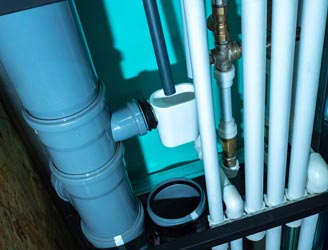
Plumbing covers circulation lines, skimmers, main drains, and connections to filtration and heating equipment. Pressure testing is a critical checkpoint. A fitting that holds under a brief test but fails under sustained use creates a claim long after handoff.
Electrical work covers bonding, grounding, lighting, and automation panels. OSHA’s electrical safety guidelines flag electrical hazards as among the most serious on any construction site. Water proximity compounds the risk on a pool job. Contractors providing input on equipment specification carry additional exposure beyond workmanship risk. See Year-Round Insurance Considerations for Pool Equipment Distributors.
The Finish Phase of In Ground Pool Construction
The finish phase of an inground pool installation looks routine compared to what came before, but this is where many post-job complaints originate.
Drainage planning affects the shell, surrounding soil, and neighboring properties. Poor drainage leads to water pooling against the shell and hydrostatic pressure buildup over time. Runoff onto adjacent lots is a recurring source of property damage claims.
Decking quality depends on base preparation. Inadequate expansion joints and poor base work cause cracking and displacement, particularly in freeze-thaw climates.
The CPSC’s pool safety barrier guidelines recommend fully enclosed barriers and self-closing gates. Contractors involved in the final handoff carry responsibility for how the site is turned over when the homeowner takes possession.
Why In Ground Pool Construction Needs Specialty Coverage
A standard contractor policy wasn’t designed for the risk stack that comes with inground pool installation. Excavation, structural liability, electrical defects, and long-tail completed operations claims create a profile that general policies weren’t built around.
The gaps that matter most:
- Completed operations: Structural defects and plumbing failures often don’t surface until months after a job closes. Standard GL policies frequently exclude workmanship claims post-sign-off.
- Care, Custody and Control: When a contractor takes responsibility for an existing shell during renovation, standard policies often exclude this exposure entirely.
- Contractors’ pollution liability: Pool startup chemicals create an environmental liability standard GL doesn’t address.
The inground pool installation cost runs from $45,000 to over $200,000 per project. At that value, a coverage gap carries real financial consequences.
Get the Right Coverage for Your Pool Jobs
Pool construction brings excavation, structural installation, electrical and plumbing work, and long-tail completed operations risk together on one residential job. Standard contractor policies weren’t built for that combination. PoolPro is built specifically for pool and spa contractors, covering general liability, workers’ compensation, commercial auto, inland marine, errors and omissions, and completed operations.
Ask your broker to sign you up for PoolPro, or contact us to review your coverage before the next project season starts.
FAQs
- Does pool material affect the risk a contractor carries?
More than most people account for. Gunite puts quality control on the nozzleman at the time of the pour, with no factory baseline to fall back on. Fiberglass is more consistent, but groundwater around a poorly seated shell creates problems that aren’t always visible at inspection. Vinyl installs fast and costs less upfront. The liner is where failure usually starts, and backfill quality at installation determines how long it holds.
- What’s a realistic timeline for a pool build, start to finish?
Ten to twenty weeks covers most residential projects, though the range is wide. Permitting alone takes 2 to 8 weeks before the dig even starts, and that catches people off guard more than almost anything else. Concrete builds add curing time on top, typically 10 to 16 weeks of active construction. Fiberglass and vinyl install faster. Weather, inspection scheduling, and subcontractor gaps push every number further than the original estimate.
- How much does a pool project typically run for a contractor?
The spread is wide. A basic vinyl liner job can come in around $45,000. A gunite build with automation and premium finishes pushes well past $200,000. Site conditions move the number significantly. Tight access, rocky soil, and local permitting add costs that don’t show up in early estimates. Project value also matters from a coverage standpoint. Limits that work on a smaller job may not hold on a larger one.
- What are the biggest liability risks during inground pool construction?
- Excavation incidents: Utility strikes and trench instability lead to worker injuries and third-party property damage claims
- Structural failures: Shell cracking and backfill problems that surface months after handoff
- Plumbing and electrical defects: Often invisible at final inspection, these become completed operations claims later
- Unsecured site access: An open excavation creates attractive nuisance liability even when no work is underway