









The North American robotic lawn mower market is shifting gears, and fast.
Valued at $1.28 billion in 2025, it’s projected to hit $2.02 billion by 2034, growing at a 5.2% CAGR. That’s market momentum powered by real-world demand.
It’s no surprise that more and more businesses are trading in gas-powered equipment for quiet, electric alternatives like robotic lawn mowers.
If you run a lawn care business, that probably raises a few questions:
- Is this trend going to stick?
- Are these machines actually built for pro-grade work?
- And how do you compete when others start adopting them?
In this blog, we’ll get a detailed look at the capabilities, challenges, and real-world potential of automated lawn mowers in the commercial landscaping space.
Robotic Lawn Mower Strengths and Shortfalls
So, how do robotic lawn mowers work, and can they really hold their own on commercial properties? Let’s break it down.
How Robotic Lawn Mowers Work
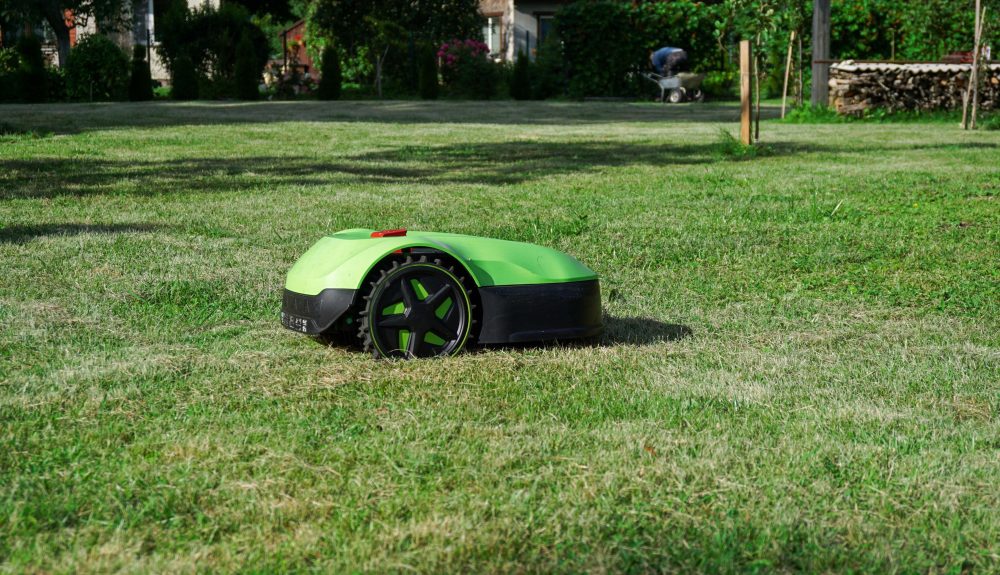
These aren’t Roombas with blades. Today’s commercial robotic lawn mowers are engineered for precision, efficiency, and scale.
Here’s what they bring to the turf:
- GPS Tracking: Keeps mowers aligned with mapped zones, even on large or open spaces
- Boundary Sensors: Uses virtual or physical boundaries to avoid flowerbeds, sidewalks, and hazards
- Smart Scheduling: Automates mowing times and staggers tasks across multiple properties
- Auto-Charging: Docks and recharges without manual intervention, keeping downtime low
- Fleet Management Software: Tracks and coordinates multiple units through centralized dashboards
What to Watch Out For
But robotic mowers aren’t silver bullets. Some limitations still matter, especially for professional landscaping workers:
- Terrain Sensitivity: Some models might not be able to handle steep slopes, loose mulch, or soggy turf. That limits use during spring thaws or after heavy rain
- Setup Complexity: Commercial zones with multiple perimeters or mixed surfaces (e.g., turf and beds) need detailed boundary mapping, which takes time and may need retraining if layouts change
- Theft Concerns: These machines aren’t bolted down. Even with GPS, retrieval depends on response time, and not every insurer covers unattended units
- Initial Cost vs ROI: Units can cost several thousand dollars apiece. For small crews, that’s a big leap without clear payback timelines, especially if existing clients aren’t asking for automation
Where They’re Already in Use
Despite those challenges, robotic mowers are gaining traction across a range of sites:
- Golf courses and country clubs
- Public parks and school grounds
- HOAs and residential zones with strict landscaping rules
Why Robotic Lawn Mowers Are on Every Lawn Care Business’s Radar
Chances are you’ve already faced at least one of these: labor shortages, unpredictable schedules, or rising fuel costs.
That’s where robotic and automated lawn mowers start to shine.
- Long-term savings: While upfront costs are high, robotic mowers can trim labor costs and reduce overtime during peak season
- 24/7 operations: These machines don’t need breaks or daylight. Overnight mowing frees up your crew for profitable daytime services like edging, trimming, or installs
- Environmental edge: Commercial robotic lawn mowers run on electricity, making them quieter and cleaner than gas-powered models, a win in noise-sensitive areas and for clients with sustainability goals
Should You Invest in Robotic Lawn Mowers Yet?
Not every lawn care business needs to rush into robotics. But every operator should start evaluating whether automation fits your long-term game plan. Whether you’re a solo outfit, a multi-crew franchise, or somewhere in between.
Here’s a practical lens to look through before investing:
1. Can your sites support docking and charging?
- High-frequency sites need reliable access to power for consistent performance
- Docking stations must be secure, easy to maintain, and protected from the elements
- Exposure to theft or weather should factor into setup decisions
2. What’s the status of your current equipment?
- If mowers are aging or requiring more frequent repairs, robotics might help offset costs
- Automation can ease the burden on your manual fleet and extend its life
- A phased upgrade strategy could help balance investment and impact
3. Is sustainability part of your client conversations?
- Many clients now ask about noise, emissions, or eco-friendly options
- RFPs increasingly include environmental considerations
- Offering electric or low-emission mowing can differentiate your business
4. Is your mindset ready for integration, not full replacement?
- Smart automation doesn’t mean replacing your team, it’s about reallocating labor
- Robotic mowers can handle routine cuts, freeing crews for detail work and premium services
- The ROI lies in rethinking how your crews and machines work together
LandPro: Coverage That Keeps Pace with the Way Landscaping Is Changing
You’ve seen it all. Automated mowing, electric fleets, digital scheduling, and smart irrigation. And as your services modernize, so should your insurance.
That’s where LandPro fits in.
Built specifically for landscaping businesses, LandPro is a solution for companies doing year-round work across irrigation, turf installs, green roofs, highway medians, and more.
Here’s what sets it apart:
- Coverage for all major landscaping disciplines under one policy, no fragmented risk exposure
- Endorsements tailored to your trade, like workmanship error coverage, pollution liability, and broadened auto protection
- Flexible protection that scales with your services, including tech-forward ones like robotic mowing or GPS-monitored maintenance
- Backed by 35+ years of contractor program experience, with claims and service teams who know your space
Adding robotic mowers or digital tools is a smart move, but only if your insurance keeps pace with how you’re actually working.
Ask your broker about LandPro, or contact us today to get the full picture of protection built for landscaping professionals like you.
FAQs
- What is the best insurance for lawn care businesses?
For comprehensive protection, LandPro is one of the most trusted insurance solutions. It covers everything from property damage and general liability to specialized endorsements for modern, tech-driven lawn care operations. - Do I need special coverage if I use professional robotic lawn mowers?
Yes. Robotic lawn mowers can introduce unique risks, such as theft, malfunction, or third-party damage. It’s important that your insurance policy, like LandPro, covers not just your tools but also how they’re deployed on job sites. - Will robotic mowers lower my insurance premium over time?
Not directly, but they may reduce claim frequency related to crew error or fuel-based mishaps. That said, insurers look more at your overall risk profile and safety track record than just equipment choices. - Does general liability cover equipment damage or theft?
No. General liability typically covers third-party injuries or property damage. To protect your lawn care equipment, you’ll need additional coverages like inland marine or commercial property.