











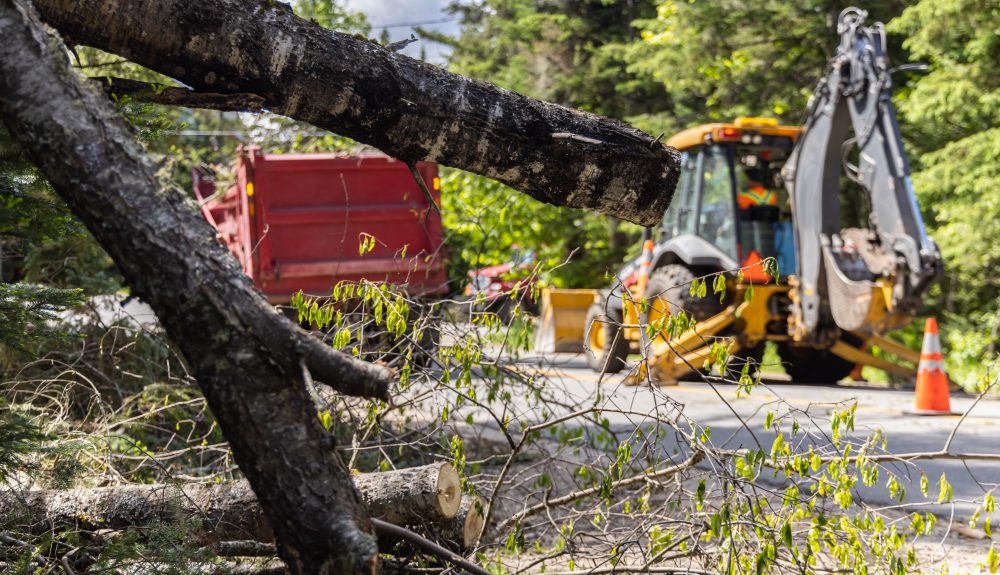
Utility contractors may encounter wildfire-related insurance concerns even when wildfire response is not their primary operation.
Work locations, contract requirements, fleet activity, subcontracting, and emergency-response assignments can all change a contractor’s exposure. Understanding those changes before renewal can help contractors prepare the information their insurance advisor may need and identify potential issues earlier in the process.
Work location can change the risk
A contractor’s exposure may look different when crews begin working in new territories.
Projects near wooded areas, utility corridors, rights-of-way, or regions with elevated wildfire activity may introduce considerations that were not present in the contractor’s historical operations.
Before beginning work in a new area, contractors should review:
- Where crews will be working
- How long the project will last
- Whether the work expands the company’s normal geographic footprint
- The type of vegetation or terrain near the jobsite
- Whether the project involves emergency or storm-response work
These details can help insurance professionals better understand the scope of the operation.
Contract requirements may affect insurance needs
New utility contracts may include insurance requirements that differ from a contractor’s existing program.
Required limits, additional insured provisions, waiver language, or other contractual terms may affect whether current coverage is sufficient for the work being performed.
Contractors should review insurance requirements before signing an agreement or mobilizing crews. Waiting until a project is ready to begin may leave limited time to address potential gaps or obtain additional information.
Important items to review include:
- Required liability limits
- Auto and umbrella requirements
- Additional insured provisions
- Primary and noncontributory wording
- Waivers of subrogation
- Coverage requirements for subcontractors
An insurance advisor can help determine how these requirements relate to the contractor’s current coverage.
Fleet and equipment changes matter
New contracts can also affect vehicle and equipment exposure.
A project may require additional trucks, trailers, specialized machinery, or employees driving in unfamiliar areas. Longer travel distances and expanded fleet activity may also change how the operation is evaluated.
Contractors should keep current records of:
- Vehicles and equipment used for the project
- Driver information
- Travel radius
- Equipment values
- Storage locations
- Maintenance and inspection practices
Accurate information can help reduce delays during the insurance review.
Subcontracted work should be clearly documented
Subcontractors are common in utility construction, but their responsibilities should be clearly defined.
Contractors should understand:
- What work will be subcontracted
- How much of the project involves subcontractors
- Whether subcontractors carry appropriate insurance
- What contractual protections are in place
- How subcontractor performance is monitored
Incomplete or unclear subcontractor information can create additional questions during underwriting.
Emergency work may introduce different exposures
Storm recovery, wildfire response, and emergency utility work can require contractors to move quickly into unfamiliar areas.
These assignments may involve longer hours, temporary crews, difficult terrain, damaged infrastructure, or rapidly changing job conditions.
Before accepting emergency work, contractors should consider whether their current insurance program reflects:
- The location of the work
- The services being performed
- Changes in payroll or revenue
- Additional vehicles or equipment
- Temporary labor or subcontractors
- The expected duration of the assignment
Prepare before the renewal deadline
Contractors can make the insurance review more efficient by gathering information before renewal discussions begin.
Helpful information may include:
- Current and anticipated work locations
- A description of operations
- Revenue and payroll by type of work
- Vehicle and equipment schedules
- Loss history
- Subcontractor details
- Copies of major contract requirements
- Information about upcoming projects
- The reason the account is being marketed
Providing clear and complete information helps the insurance advisor evaluate whether the contractor’s operations have changed and what options may be available.
The goal is not to treat every utility contractor as a wildfire risk. It is to understand how geography, contracts, fleet, subcontracting, and operations intersect for the specific account.
Review your operations before the next project
Wildfire exposure is not limited to companies that specialize in wildfire response. Utility contractors may encounter related concerns through project locations, contract requirements, vegetation-management work, emergency assignments, or expanded operations.
Reviewing these factors early can help contractors identify potential insurance issues before they affect a project or renewal.
UtilityPro by NIP Group is designed for qualifying utility contractors. Coverage availability, terms, and eligibility are subject to underwriting review.
Explore UtilityPro: www.nipgroup.com/utility