










For greenhouse growers, nurseries, and garden centers, growing stock is rarely a simple inventory number.
Plants move through different stages of growth, locations, and sales channels. Their values may also change throughout the year based on seasonality, production cycles, customer demand, and the way the operation brings products to market.
That can make growing stock an important part of the insurance conversation—and one that deserves more than a single value on a property schedule.
Start with how the operation works
Not every horticulture business operates the same way.
An operation may focus primarily on greenhouse growing, wholesale nursery production, retail garden-center sales, hydroponic or aquaponic growing, or a combination of activities. Some businesses may also provide delivery, landscaping, installation, events, or other related services.
Before reviewing values and coverage, it is helpful to understand:
- The company’s primary growing and sales operations
- The percentage of revenue or activity associated with each operation
- Whether stock is grown, stored, displayed, or sold at multiple locations
- Whether the business performs landscaping, installation, or delivery work
- Any significant operational changes since the previous renewal
A clear operational breakdown helps create context for the property and growing-stock information that follows.
Consider how stock values change during the year
Growing-stock values may increase or decrease throughout the year.
Seasonal peaks, production cycles, maturity, and anticipated sales can all affect the amount of stock at risk at a particular time. Values reported during a slower period may not reflect the business’s highest exposure.
Growers and their insurance advisors should consider:
- When growing-stock values reach their seasonal peak
- Whether values change significantly by location
- How plants are valued at different stages of growth
- Whether recently added crops or product lines are included
- How frequently values are reviewed and updated
The goal is to make sure the information used during the insurance review reflects the operation as accurately as possible.
Review where growing stock is located
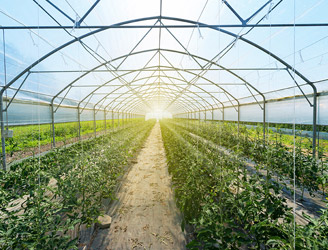
Growing stock may be spread across greenhouses, outdoor growing areas, warehouses, retail locations, or temporary storage areas.
A complete location schedule can help clarify where stock and other business property are located. It can also identify whether reported values align with the actual use of each location.
The review should account for:
- Greenhouse and nursery locations
- Retail garden centers
- Warehouses and storage areas
- Outdoor growing areas
- Newly acquired or leased locations
- Stock that regularly moves between locations
Include the systems that support the operation
Growing stock often depends on more than the building that surrounds it.
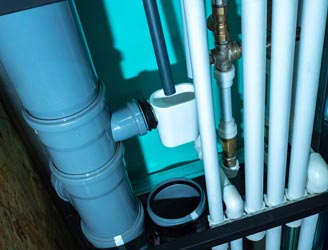
Heating, cooling, irrigation, ventilation, and backup-power systems may all play an important role in maintaining the growing environment. Changes to these systems can materially change the way the operation functions.
Before renewal, confirm whether there have been changes to:
- Heating or cooling systems
- Irrigation equipment
- Ventilation or environmental controls
- Electrical systems
- Generators or backup power
- Greenhouse construction, condition, or use
Providing this information early can help create a more complete view of the property and operational exposure.
Look beyond stock and buildings
The broader insurance conversation may also include vehicles, deliveries, employees, equipment, and loss history.
For example, a retail garden center with local deliveries may present a different operational picture than a wholesale greenhouse without delivery exposure. A grower that recently added landscaping or installation services may also need a different review than an operation focused solely on growing.
Relevant information may include:
- Vehicle schedules and delivery radius
- Equipment used in growing and handling operations
- Seasonal labor changes
- Current loss runs and open claims
- Major purchases, expansions, or operational changes
- The reason the account is being marketed
Prepare for a more useful renewal conversation
Before renewal, growers and brokers should review whether the current information accurately reflects:
- The primary horticulture operation
- Current and seasonal growing-stock values
- Every growing, storage, and retail location
- Greenhouse construction and condition
- Heating, cooling, irrigation, and backup-power systems
- Delivery and vehicle activity
- Adjacent operations
- Recent losses and material business changes
Growing stock is more than a generic inventory value. Understanding how plants are grown, stored, supported, and sold can lead to a more informed insurance discussion.
GrowPro by NIP Group provides specialized insurance solutions for qualifying greenhouse growers, nurseries, garden centers, and hydroponic and aquaponic operations.
When to consider GrowPro
Growers face a complex mix of risks that aren’t fully addressed by general commercial products. Property concentrations, seasonal inventory swings, high-value equipment, and unique structural considerations (such as greenhouse glazing or controlled lighting systems) require underwriting that understands the industry.
GrowPro provides brokers with:
- Purpose-built protection for nurseries, greenhouse growers, and garden centers
- Expert underwriting and risk control, grounded in deep industry experience
- Competitive structure and flexibility to support diverse growing operations
- Support for advanced agriculture, such as hydroponic or aquaponic facilities, when more technical expertise is needed
Whether you’re working with a small retail grower or a sophisticated propagation facility, having access to a specialized program allows you to tailor coverage rather than adapt a generalist solution.
Download our Broker Appetite Guide – NIP Group, or https://nipgroup.com/growpro to get started. Our team is ready to help you win accounts that others can’t.