









Not every horticulture account is the same.
A greenhouse grower, wholesale nursery, garden center, hydroponic operation, and landscape-heavy business may all appear similar at first glance, but they can present very different underwriting considerations. For brokers, the opportunity is to separate true horticulture risks from adjacent operations early, then provide the details needed to help the account move through review more efficiently.
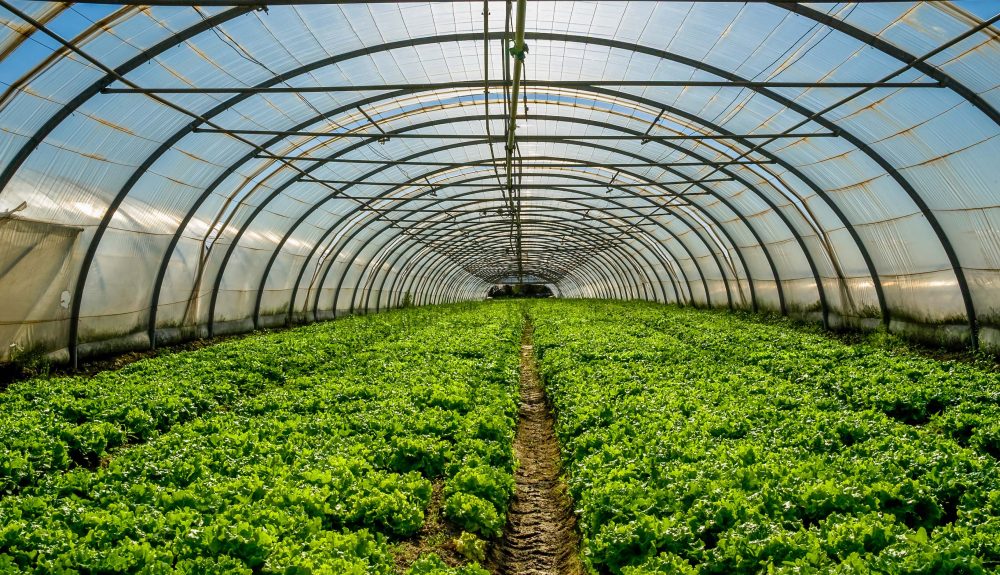
GrowPro by NIP Group is built for horticulture businesses, including greenhouse growers, nurseries, garden centers, and hydroponic or aquaponic growers. These operations often have exposures that standard markets may not fully reflect, especially when property, plant inventory, equipment, vehicles, seasonal labor, and weather exposure are all part of the account.
Start with the actual operation
One of the most important questions is simple: what does the business primarily do?
Some accounts may have a nursery, plant, or garden center component, but the primary exposure may be landscaping, hardscaping, construction, installation, or another contracting operation. That distinction matters.
A stronger GrowPro submission usually starts with a clear view of the insured’s core business:
- greenhouse growing
- wholesale nursery operations
- retail nursery or garden center operations
- hydroponic or aquaponic growing
- controlled-environment growing
If the account includes landscaping, installation, delivery, retail, events, or other operations, those details should be clearly broken out. This helps underwriting understand whether the horticulture exposure is primary or incidental.
Property and plant inventory deserve extra attention
For horticulture businesses, property is rarely just a building schedule. Greenhouse structures, growing systems, stock values, equipment, irrigation, heating, cooling, and backup power can all affect how the risk is reviewed.
Brokers should pay close attention to:
- greenhouse construction and condition
- plant and nursery stock values
- heating, cooling, and irrigation systems
- backup generator details
- equipment maintenance practices
- weather and CAT exposure
- whether stock limits are separated from business personal property
These details can make a meaningful difference in how quickly an account can be evaluated.
Geography still matters
Even when the operation is a strong GrowPro fit, location can create challenges. CAT-heavy areas, wind and hail exposure, and more difficult property geographies may affect appetite, structure, or pricing.
That does not automatically mean an account is not worth reviewing. It does mean brokers should be ready to provide complete property information and risk management details up front.
Help underwriting understand the “why”
A strong submission should also explain why the insured is reviewing coverage. Is the account being non-renewed? Is the current market changing terms? Has the business grown, added locations, changed operations, or increased inventory values?
The more context provided up front, the easier it is to understand the opportunity and determine whether there is a path forward.
What to include with a GrowPro submission
To help move the process forward, brokers should include:
- completed applications and supplemental information
- current loss runs
- property schedules and statement of values
- description of operations by revenue or payroll where applicable
- greenhouse / structure details
- stock and equipment values
- vehicle schedules, if auto is included
- current coverage and expiring premium details
- reason for marketing the account
Why GrowPro matters for brokers
Growers face a complex mix of risks that aren’t fully addressed by general commercial products. Property concentrations, seasonal inventory swings, high-value equipment, and unique structural considerations (such as greenhouse glazing or controlled lighting systems) require underwriting that understands the industry.
GrowPro provides brokers with:
- Purpose-built protection for nurseries, greenhouse growers, and garden centers
- Expert underwriting and risk control, grounded in deep industry experience
- Competitive structure and flexibility to support diverse growing operations
- Support for advanced agriculture, such as hydroponic or aquaponic facilities, when more technical expertise is needed
Whether you’re working with a small retail grower or a sophisticated propagation facility, having access to a specialized program allows you to tailor coverage rather than adapt a generalist solution.
Want to Win More Green Industry Business?
Download our Broker Appetite Guide – NIP Group, or https://nipgroup.com/growpro to get started. Our team is ready to help you win accounts that others can’t.