










Greenhouse growers, nurseries, garden centers, and controlled-environment growing businesses do not always fit neatly into standard commercial insurance categories.
At first glance, a horticulture client may look like a retail business, a light agricultural operation, or a property-driven account. But once you look closer, these businesses can involve a more specialized mix of exposures, including plant inventory, growing structures, equipment, vehicles, seasonal employees, customer traffic, product handling, and weather-related concerns.
For brokers, the opportunity is knowing when a horticulture account may benefit from a more specialized market.
Start with the core operation
A good first step is identifying what the business primarily does.
Is the client growing plants, selling plants, supplying other growers, operating a garden center, or managing a controlled-environment growing operation? Many accounts have more than one revenue stream, but the core operation helps determine whether the account may belong in a horticulture-focused market.
Common GrowPro-fit operations may include:
- Greenhouse growers
- Nurseries and nursery growers
- Garden centers
- Hydroponic or aquaponic growers
- Mixed horticulture businesses with a clear growing or plant sales focus
When the account is centered on growing, selling, or distributing plants, it may be worth a closer look.
Look for signs the account is more complex than it appears
Horticulture businesses can change significantly based on scale, seasonality, property values, and the types of operations involved.
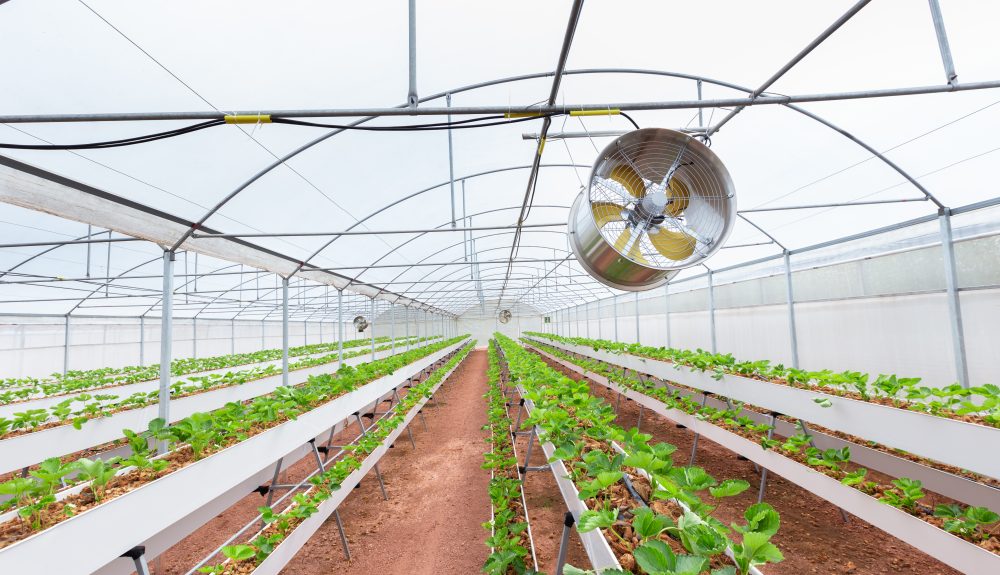
A small garden center, for example, may have retail traffic, delivery vehicles, seasonal staffing, inventory fluctuations, and outdoor property exposure. A greenhouse grower may have structures, climate-control equipment, irrigation systems, plant stock, and production schedules that standard markets may not fully understand.
Brokers should pay attention to accounts with:
- Significant plant inventory or seasonal inventory swings
- Greenhouse structures or specialized equipment
- Delivery, fleet, or off-premises exposures
- Seasonal labor changes
- Retail/customer-facing operations
- Product handling or distribution
- Weather-sensitive property or stock exposure
These details can affect how the account should be reviewed.
Watch for mixed operations
Some horticulture clients do more than grow or sell plants. They may also provide landscaping, installation, design, delivery, seasonal events, or other related services.
That does not automatically make the account a poor fit. It does mean the account may need a closer review to understand where the primary exposure sits.
For brokers, a few simple questions can help clarify the opportunity:
- What percentage of the business comes from growing, retail, wholesale, or service work?
- Does the client operate a greenhouse, nursery, garden center, or controlled-environment facility?
- Are landscaping, installation, or other services part of the business?
- Does the client own vehicles or deliver products?
- Are there seasonal changes in staffing, inventory, or sales volume?
The goal is not to overcomplicate the conversation. It is to identify whether the account has enough horticulture exposure to justify a specialized review.
Timing matters
Renewal timing can make a big difference. Horticulture businesses often see meaningful seasonal changes in inventory, staffing, and customer activity. That means the account a broker reviewed several months ago may not fully reflect how the business is operating today.
As renewal approaches, brokers may want to revisit whether the current market understands the client’s full exposure and whether the account would benefit from a program built around horticulture risks.
When to consider GrowPro
Growers face a complex mix of risks that aren’t fully addressed by general commercial products. Property concentrations, seasonal inventory swings, high-value equipment, and unique structural considerations (such as greenhouse glazing or controlled lighting systems) require underwriting that understands the industry.
GrowPro provides brokers with:
- Purpose-built protection for nurseries, greenhouse growers, and garden centers
- Expert underwriting and risk control, grounded in deep industry experience
- Competitive structure and flexibility to support diverse growing operations
- Support for advanced agriculture, such as hydroponic or aquaponic facilities, when more technical expertise is needed
Whether you’re working with a small retail grower or a sophisticated propagation facility, having access to a specialized program allows you to tailor coverage rather than adapt a generalist solution.
Download our Broker Appetite Guide – NIP Group, or https://nipgroup.com/growpro to get started. Our team is ready to help you win accounts that others can’t.