









Farming without chemicals and pesticides was once deemed “too futuristic.”
At the time, such a notion may have been true. But the future is now.
Vertical farming is a rapidly-rising industry for good reason; as we seek to reduce emissions and our collective carbon footprint, the use of pesticides and chemicals that have adverse effects on soil, and therefore the environment, is becoming a thing of the past.
Food supply comes into play with vertical farming, as well. As population centers grow and population density swells, it’s more important than ever to make sure fresh produce can find its way into urban centers – some of which don’t have the same accessibility to food as suburban environments.
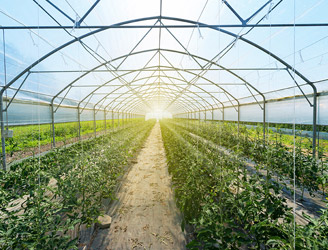
One trend we’ve watched closely is the reduced use of pesticides and chemicals in vertical farming. Growing crops year-round in a controlled environment relies heavily on the use of artificial light, hydroponics and other soilless growing methods.
In this blog, we’ll dig into the benefits and risks of chemical-free farming, how it aligns with the mission of GrowPro, and how to best protect your business as it jumps into this exciting new age of farming.
Why a Future of Chemical-Free Farming is Important to Humans, and the Environment
Aside from the financial potential of vertical farming – which, as we covered in a previous article, is projected to eclipse an industry value of $7 billion in 2023 – we have an opportunity to cement sustainable farming practices for generations to come.
Agriculture is one of the largest industries on the planet, and is responsible for more than 22 million jobs in the United States (10 percent of the American workforce).
We know that vertical farming has its share of pluses, which include limiting the use of arable land, growing crops year-round, increasing food safety and fighting back against deforestation. Where vertical farming and chemical-free (or organic farming, as it’s often referred to) intersect is a mutually beneficial future of food that protects our planet and its ecosystems.
Produce healthier food for people everywhere
Traditional farming methods typically use synthetic products like herbicides, fertilizers and pesticides. Not only can these products harm the environment, they can also cause problems for those who consume the food they helped to grow.
According to the United States Environmental Protection Agency (EPA), pesticides and herbicides “such as organophosphates and carbamates, affect the nervous system. Others may irritate the skin or eyes. Some pesticides may be carcinogens. Others may affect the hormone or endocrine system in the body.”
You may be wondering “well, if that’s the case, why are pesticides and herbicides used in produce farming?” Because many products are shipped across the country for sale at grocery stores and other points of sale, they are exposed to pests and disease carriers that can damage food and the land it’s farmed on. Pesticides control the spread of disease and contaminants that can affect the produce.
Vertical farming aims to combat the use of pesticides and create food that’s safer and reduces harmful impacts on people and the environment.
Promote healthier soil for future farming
Over the last several years, scientists have discerned that chemical-free (organic) farming has long-lasting benefits to soil.
Organic farming creates soil that holds more water and air compared to when pesticides are used, which allows microorganisms to grow and continuously give nutrients to the crops. Studies have shown that chemical-free farming helps mitigate the effects of climate change; soil organic carbon (SOC), critical to the overall health of soil, increased by 44% over a four-year period of chemical-free farming, compared to less than 20% using traditional agricultural methods.
What do pesticides do to soil? In short, they’re pollutants that adversely affect the long-term viability for soil and that contamination increases both costs and emissions.
Work toward a sustainable form of agriculture
It’s imperative that all industries do their part to implement eco-friendly practices, particularly when we’re talking about food supply. Agriculture is one of the largest industries in the world and we’ve seen the benefits of vertical farming, which reduces the use of arable land and uses recycled freshwater to grow.
All of these elements – combined with improved soil health – put us on track to a more sustainable future in the farming industry. Chemical-free farming works hand-in-hand with vertical farming, creating healthier and safer food that’s grown with recyclable resources.
Help to conserve our most valuable resources
Water and soil are critical to the health of our environment. The use of pesticides and herbicides in traditional farming can cause surface and groundwater contamination, leading to pollutants in water runoffs and other water sources.
Herbicides can be dumped into water runoffs during storms or can find their way into underground water supplies, causing pollution that’s difficult to reverse.
Exploring the Unique Risks and Challenges Associated with Chemical-Free Farming
Vertical farming and chemical-free farming have, without question, several advantages over traditional methods. But the reality is these are emerging markets and because of that, there are questions we haven’t answered and problems we haven’t solved.
Sure, vertical farms use up to 99 percent less water than traditional farms and produce much higher yields – but that’s only one piece of the puzzle.
The rising cost of artificial light
Because vertical and chemical-free farms are indoors, they don’t have access to one of the most critical components of growing: the sun. A challenge that organic farmers are facing is the cost – and energy – required to keep hydroponic systems going throughout the day, as these lighting systems can often be expensive.
Death Benefits
Workers’ compensation policies also include death benefits which are much like survivor’s benefits under a life insurance policy. If a worker dies because of a work-related injury, a worker’s compensation policy will generally pay for burial costs and other final expenses. In some states, beneficiaries may be entitled to receive some amount of the worker’s lost income.
Depending on the circumstances of the claim, an insurer may pay the death benefit in installments or as a lump sum payment.
Heating, ventilation and air conditioning (HVAC)
Indoor, pesticide-free farming requires extensive HVAC systems that keep the growing environment climate-controlled. While many aspects of organic farming limit the use of resources like water, we’re still trying to find ways to control costs in heating and cooling.
Pest and disease control
If we’re not using pesticides and other chemicals in farming, there’s an inherent risk of pests and diseases. This requires extra attention and care from professionals to make sure crops aren’t compromised during the growing process.
How Are These Challenges Being Addressed?
As vertical, chemical-free farming has evolved, experts are becoming more aware of how to control some of the hurdles we’ve outlined above.
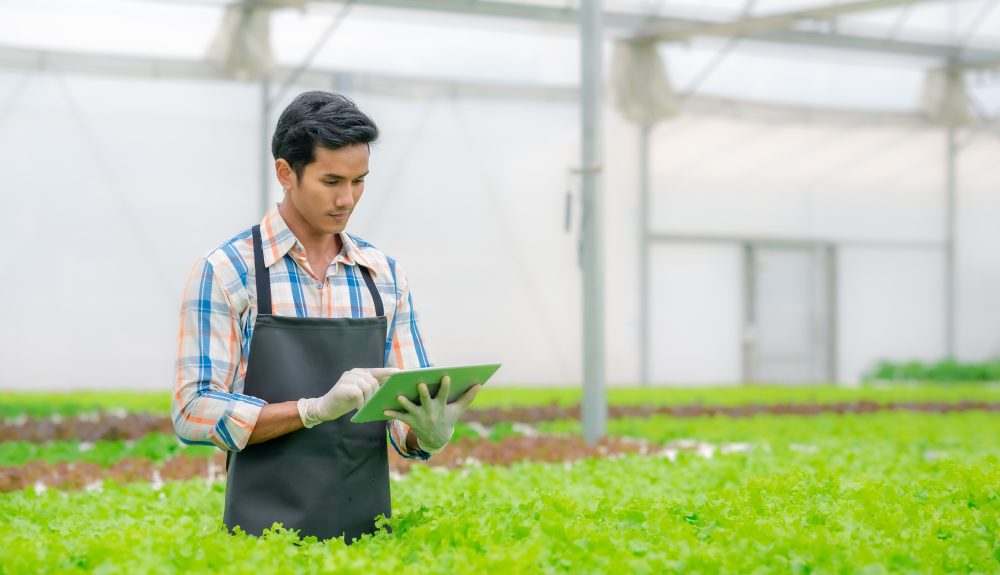
In hydroponic systems, crops can be grown without soil – which all but eliminates many of the soil-borne pathogens and diseases that are common in traditional farming. We’re also learning that diligent monitoring of crops grown in vertical farms helps prevent other pests and diseases that can be harmful to crops; in these controlled environments, more attention is being paid to each crop to ensure it’s growing healthy and strong.
We’re still working to address the challenges posed by lighting. LED lighting is expensive and needs to run 24/7/365, and currently, there aren’t many alternatives. It’s important to know much of your cost will be consumed by lighting and HVAC.
Increasing general consumer awareness
It’s safe to say that a sizable portion of the population is aware of the end result: organic produce. Studies show that despite knowing what organic products are, many consumers aren’t familiar with vertical farming; one study found that 77% of respondents had never heard of vertical farming.
Marketing campaigns and consumer-focused messaging are essential to raising awareness of the industry and its benefits. It’s one thing for consumers to know what organic produce is, it’s another – and far more beneficial – for them to understand where it comes from and why it matters.
The Limitations Posed by Chemical-Free, Vertical Farming
In addition to the challenges listed above, vertical and chemical-free farming also face limitations when compared to traditional farming.
The need for more advanced expertise
Farmers know how to farm. In many cases, it’s a family business and has been passed down through generations. When it comes to vertical and chemical-free farming, however, we’ve opened new doors that require more advanced technical knowledge than ever before.
Someone who works on a vertical farm needs to be able to cover all the bases: address lighting or HVAC problems, monitor water usage, track crop growth, and service the modern technology used in the hydroponic systems.
Expensive products at point of sale
Organic and pesticide-free produce does come at a higher cost to the end user, i.e. the consumer. While costs have decreased significantly compared to when this type of produce was originally introduced, there’s still a ways to go before costs align with products grown in the traditional farming environment.
Concerns about scalability
Vertical and organic farms are smaller in footprint compared to traditional farms, which leads to smaller yields. One major challenge for pesticide-free farming is that, in many cases, the higher cost of production doesn’t match up with the amount yielded.
Because farming is so critical to food supply, vertical farming must soon catch up and be able to produce at a rate that meets demand. That scalability is vital to the industry’s long-term success.
Examining the Insurance Coverages You Need for Sustainable Chemical-Free Farming
We’ve covered the various ways in which pesticide-free farming is changing – and it’s an industry that is quickly evolving. GrowPro offers expertise and specialized coverages that help navigate any challenges with confidence.
GrowPro offers coverage for:
- Indoor vertical farms (organic, pesticide-free farms)
- Greenhouses and nurseries
- Hydroponic growing businesses
- Garden centers
A proud member of AmericanHort and the National Hemp Association, GrowPro provides professional support for risk control, claims management, and compliance/safety resources.
Specific coverages for chemical-free farming businesses include:
- Liability
- Property insurance
- Contractors pollution liability, and more.
The comprehensive approach of GrowPro and its industry-leading expertise
GrowPro has been insuring vertical and chemical-free farming professionals and their businesses for more than 30 years, and is currently the largest and most comprehensive provider of its kind.
Perhaps more than any other insurer, we know the unique risks facing the vertical farming and organic farming industries – and are prepared to provide you with the resources to continue growing your business with confidence and peace of mind.
Learn more about GrowPro and how it can protect your vertical farming business by visiting our website.

