








An OSHA excavation safety checklist starts with a daily inspection by a competent person. From there, seven controls carry the job from utility locates to air testing. OSHA’s National Emphasis Program on trenching and excavation directs inspectors to check any open trench they see, even without a visible violation. On a visit like that, one missing ladder can turn a routine dig into a citation. In this blog, we walk through each item in job order, along with the PPE rules and insurance that protects your business.
When Are OSHA Excavation Inspections Required?
OSHA requires a competent person to inspect every excavation daily and again whenever conditions change:
- Before work begins, and as needed during the shift
- After every rainstorm or other event that raises the hazard
The competent person must also have the authority to stop work. If an inspection finds signs of a possible cave-in, they must pull workers out until it is safe. Logging each inspection in writing gives you proof that your crew followed the rules. That proof, backed by the right excavation business insurance, keeps one bad day from sinking your business.
Must Read: Excavation Insurance for Contractors: What Changes When Your Business Grows
What Belongs on an OSHA Excavation Safety Checklist?
An OSHA excavation safety checklist covers seven items, from marking utilities to testing the air before crews climb in. Each step sets up the next one, so work through them in this order.
1. Call 811 and Locate Underground Utilities
OSHA requires you to find where underground utilities run before you break ground. Calling 811 alerts utility owners, who then mark their lines at your site. Once the trench is open, exposed lines must stay supported or protected while crews work.
2. Confirm Your Competent Person Is on Site
With the lines marked, name the competent person who will oversee the dig. This person must be trained to spot cave-in hazards and have the authority to stop work. Keep them on site whenever crews are in or near the trench.
3. Classify the Soil Before the First Cut
Before the first cut, your competent person classifies the soil using at least one visual and one manual test. OSHA groups soil into Stable Rock and Types A, B, and C. Type C is the least stable, so it needs the flattest slopes.
4. Install Protective Systems at 5 Feet or Deeper
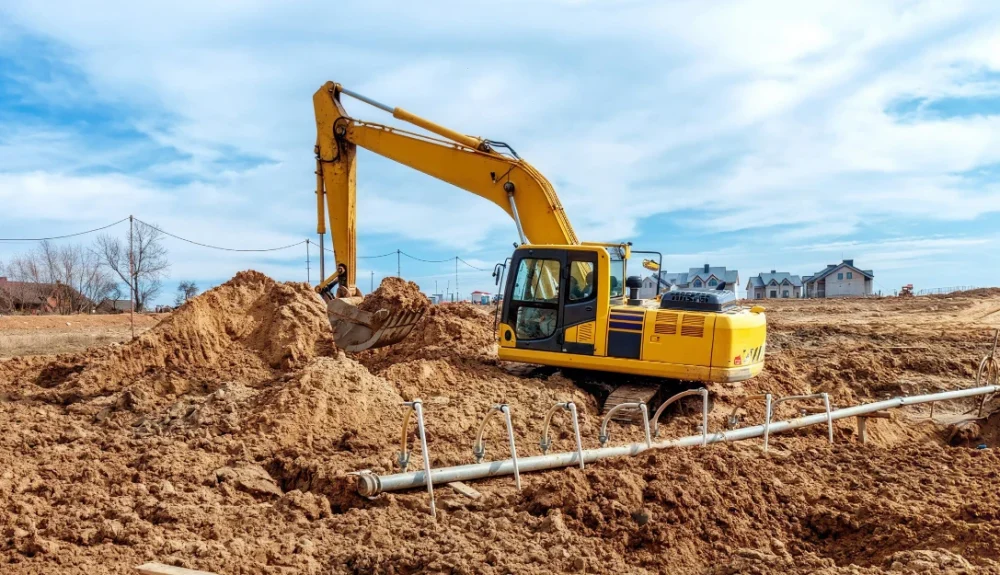
Cave-ins pose the greatest risk in excavation and trenching, so any excavation 5 feet or deeper needs a protective system. You can slope the walls or support them with shoring or a trench shield, depending on your soil class.
5. Provide a Ladder or Ramp Within 25 Feet
Protective systems hold the walls in place, and workers still need a quick way out. Trenches 4 feet or deeper need a ladder or ramp within 25 feet of lateral travel for every worker. Place exits within the protected area so no one can climb out past an unsupported wall.
6. Keep Spoil Piles at Least 2 Feet From the Edge
Everything stacked above the trench adds pressure to its walls. Spoil piles and equipment must be set back at least 2 feet unless a retaining device holds them. That gap also keeps loose rock and tools from falling onto workers below.
7. Test the Air Where Hazards Are Possible
The last check covers the air your crew breathes below grade. Test before anyone enters an excavation over 4 feet where a hazardous atmosphere could exist, such as near a landfill. Oxygen must read at least 19.5%, and crews must also check for flammable or toxic gases.
Must Read: 6 Underground Mining Hazards Every Excavation Contractor Needs to Plan For
What PPE and Traffic Controls Do OSHA Excavation Rules Require?
OSHA excavation rules require two layers of protection around a trench: personal gear and controls for traffic and overhead loads. Both guard against the dangers of excavation work above ground, and every crew should follow these controls:
- High-visibility vests: Anyone near traffic must wear reflective gear, so drivers see them.
- Hard hats: Needed where falling tools or overhead loads could strike a worker.
- Suspended loads: No one must stand under loads lifted by excavators or cranes
How Do You Protect Your Business If a Trench Incident Still Happens?
Insurance protects your business when a cave-in or utility strike happens anyway. These incidents can also expose OSHA violations in construction, which makes the claim harder to defend. SitePro was built for those moments with coverage that follows the hazards on your excavation schedule:
- Workers’ compensation pays medical bills and lost wages if a collapse injures your crew.
- Contractors’ pollution liability covers cleanup, such as runoff from a silt fence onto nearby land.
- Umbrella liability covers large claims, like a struck sewer main, beyond your general liability limits.
SitePro’s carrier also holds an A+ (Superior) rating from A.M. Best. That means it has the financial strength to pay claims when a job goes wrong. So, ask your broker to sign you up for SitePro. Or, you can also contact our team directly.