









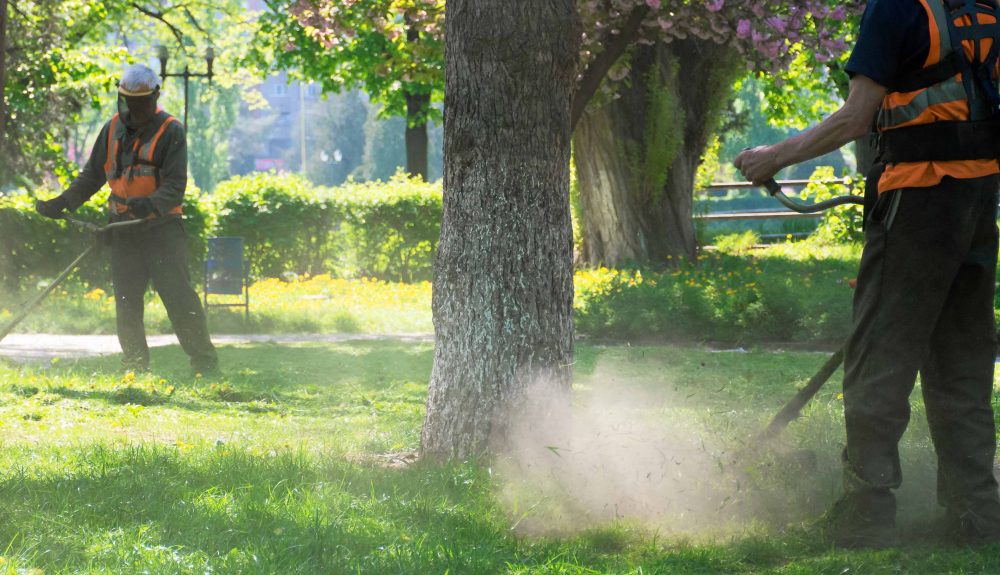
“I lost my entire business over a single spray.” These aren’t the words of a careless novice, but of Jake Thompson, a 20-year veteran of the lawn care industry. His downfall?
An accidental overspray of herbicide that drifted onto a neighbor’s prized organic garden, leading to a massive liability claim he wasn’t adequately insured for.
Jake’s story isn’t unique, and it’s not just about herbicide drift—it’s a stark reminder that when it comes to business liability in lawn care, what you don’t know can absolutely destroy you.
From chemical exposure to property damage, the risks are real and always there. You can’t always prevent things from going wrong. But you can protect yourself when they do.
First, let’s dig into the foundation of your business’s protection: lawn care insurance.
Understanding Your Lawn Care Insurance Coverage
Before going into claims management, it’s essential to have a comprehensive understanding of your lawn care insurance policy. Here’s what you absolutely need:
- General Liability Insurance for Landscapers: This serves as your primary defense against claims from clients or third parties.
- Property Damage Insurance for Lawn Care: Provides coverage for damage to clients’ property during your operations.
- Lawn Damage Liability Coverage: Specifically addresses issues related to lawn care activities.
- Commercial Auto Insurance: This coverage protects your company vehicles and can also cover personal vehicles used for business purposes.
- Workers’ Compensation: Covers employee injuries and illnesses
- Umbrella Liability: Provides extra liability protection
Remember, your insurance for lawn care businesses requires regular review and adjustment, much like the ongoing maintenance a lawn requires. Conduct an annual review of your policy and adjust it as your business evolves.
When Claims Hit the Fan: Your Action Plan
When confronted with a landscaping insurance claim, a systematic approach to the entire process is crucial. Follow these steps to:
- Document meticulously: Capture photographic evidence, collect witness statements, and provide a detailed written account of the incident.
- Notify your insurance provider promptly: Swift action can expedite the process and potentially mitigate damages.
- Cooperate fully with the investigation: Provide all requested information to your insurer in a timely manner.
- Maintain professional communication with the claimant: Express empathy while refraining from admitting fault or making promises.
- Let the pros handle the talk: Your insurer has a wealth of experience in handling insurance claims for lawn care and lawn maintenance businesses. Trust their expertise to steer negotiations in your favor.
- In the event of a claim denial: You need to understand the reason for the denial. Request a detailed explanation from your insurer and review your policy carefully. Use this as a wake-up call to reassess your operations and coverage. It might highlight areas where you need to adjust your business practices or enhance your insurance. If you believe the denial is unjustified, consider seeking legal counsel or engaging a public adjuster to advocate on your behalf.
When Things Go South: Identifying Potential Claims
In the lawn care industry, potential claims can arise from various situations. Being aware of these scenarios can help you effectively manage risks that your lawn care business will face:
- Accidental damage to a client’s property (e.g., damaging a sprinkler system while aerating)
- Injuries to third parties (e.g., a passerby tripping over your equipment)
- Damage resulting from chemical applications (e.g., over-fertilization causing lawn burn)
An often overlooked area of potential liability in the lawn care business is environmental damage. For instance, if chemicals you use contaminate a water source or harm local wildlife, you could face significant claims. Environmental liability insurance can provide crucial protection in such scenarios.
Here’s something they don’t teach you in Lawn Care 101: If your claim gets denied, don’t just roll over. Demand a detailed explanation. If something smells fishy, it might be time to bring in the big guns—legal counsel or a public adjuster.
Your insurance company should be your partner, not your adversary. At NIP Group, we understand that. That’s why our LandPro program offers specialized insurance coverage for lawn care professionals, including environmental liability. Learn more about our comprehensive LandPro insurance program here.
Implementing Robust Preventative Measures
Smart risk management for lawn care businesses isn’t just about prevention—it’s also about protection. Implement these measures to keep claims at bay, and also fortify your positions when you do need to make claims:
- Develop and enforce comprehensive safety protocols for all job sites. Document these protocols and your adherence to them.
- Conduct regular, thorough equipment inspections and maintenance. Keep detailed records of all repairs and replacements.
- Implement a rigorous training program for all staff members, covering both technical skills and safety procedures, and proper incident reporting. Maintain certificates of completion for all training sessions.
- Maintain detailed documentation of all client interactions, job specifications, and completed work. Include before and after photos of job sites when possible.
- Utilize written contracts that clearly outline the scope of work, limitations, and client responsibilities. Have these reviewed by a lawyer to ensure they’re comprehensive and enforceable.
- Leverage technology to enhance your risk management efforts. Consider using landscaping software for accurate job estimates and tracking, GPS systems for fleet management, and weather monitoring apps to plan work accordingly. Make sure all digital records are securely stored, backed up, and easily retrievable.
- Implement a system for regular safety audits and risk assessments. Document the findings and any corrective actions taken.
Make Your Next Move with LandPro
Remember Jake Thompson’s cautionary tale? With a program like LandPro, his story might have had a different ending. The right insurance partner doesn’t just protect your business—it empowers you to grow it confidently.
This is where NIP Group’s LandPro program steps in. With 35+ years in the green industry, we offer:
- Comprehensive coverage options, including general liability, property damage, and specialized endorsements like Landscape Services Workmanship Error Coverage
- Industry-specific expertise that understands the unique risks you face daily
- Robust risk management resources to help prevent claims before they happen
- Dedicated claims handling team that acts as your advocate, not your adversary
Ask your broker to sign you up for LandPro from NIP Group.
Because in lawn care, the grass is always greener when you’re properly insured. Contact our team to learn more.
FAQs
Q: What types of insurance do lawn care businesses need?
Essential coverages include liability insurance for landscapers, property damage insurance, lawn damage liability coverage, commercial auto insurance, and workers’ compensation. Depending on your services, you might also need contractors pollution liability and employment practices liability insurance.
Q: How much does insurance for lawn care businesses typically cost?
Costs vary, but programs like LandPro offer competitive rates with a minimum package premium of $10,000. The exact cost depends on factors like your services, equipment, and claims history.
Q: How does LandPro handle the claims process for landscaping insurance?
We offer efficient claims processing with industry-specific expertise, ensuring quick resolution and minimal business disruption.
Q: How can I reduce my lawn care business liability?
Implement robust safety protocols, provide regular staff training, maintain detailed documentation of all jobs, use written contracts, and leverage technology for accurate job estimates and tracking
Q: Are subcontractors covered under my landscaping insurance?
It depends on your policy. Some programs offer coverage for subcontracted work, but it’s crucial to verify this with your insurance provider and potentially require subcontractors to carry their own insurance.