







A landscaping policy built for a two-person crew rarely holds up once a tree service business grows. Payroll expands, and contracts get bigger. Equipment also gets more specialized along the way.
Standard landscaping coverage was never priced for crane work or storm cleanup near power lines. It also wasn’t built for a fast-growing crew. This blog covers five signs that coverage has fallen behind and what to review once it has.
When Your Tree Service Business Outgrows the Policy
A landscaping policy usually falls behind for a few familiar reasons:
- You hired employees or expanded your crew: A solo-operator policy will not extend workers’ compensation to new hires. A payroll audit exposes that gap quickly, and it can trigger back premiums or a denied claim.
- You’re bidding on commercial and municipal contracts: HOA jobs often carry similar liability requirements. These contracts frequently set general liability limits between $2 million and $5 million. Excess or umbrella coverage usually sits on top of that base limit. A $1 million cap can keep you out of the bid entirely. Reviewing excess liability coverage before you bid can protect the opportunity.
- You upgraded to heavy specialty equipment: Bucket trucks and cranes need dedicated inland marine and commercial auto coverage. Larger chippers carry the same requirement. Personal auto or basic property coverage was never built for that kind of exposure.
Must Read: How to Evaluate Insurance Needs for a Tree Trimming Service
Risk Signals You Shouldn’t Ignore For Your Tree Service Business
Two operational signals deserve equal attention: how hazardous the work has become, and who is doing it. Both carry real liability if left unchecked.
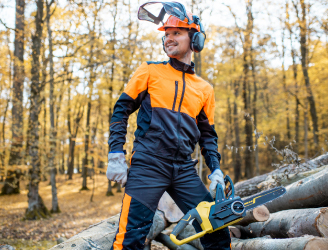
- Your operations have become more hazardous: Climbing and rigging work often falls outside standard landscaping coverage. Crane work and storm cleanup near power lines do too. Understanding the essentials of tree service insurance means knowing which activities your policy excludes. That’s worth checking before a claim tests it.
- You’re using uninsured subcontractors: 1099 climbers and temporary helpers without their own coverage create liability that falls back on you. They also raise workers’ comp audit questions and certificate of insurance problems.
Must Read: Tree Pruning and Removal: Contractor Risks After a Storm
Closing the Gap Between Your Policy and the Business You Run
Closing this gap starts with your policy’s classification. A new quote follows that once the classification is confirmed.
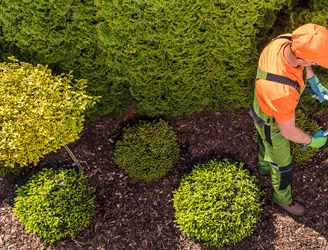
- Review your policy classification first: A “landscape gardening, no tree service” classification can deny claims tied to your tree work. That holds even when premiums were paid in full and on time.
- Match your coverage to your current scope: Many owners still carry the policy sized for the smaller operation they started with. Reading through common tree-service risks is a quick way to spot what your policy might be missing.
Closing that gap means moving to a policy built around tree work from the start. TreePro is a tree service insurance program designed for landscaping businesses. It brings general liability and workers’ compensation together with commercial auto coverage under one roof.
It is also backed by carriers holding an A+ (Superior) rating from AM Best. That rating indicates a strong financial ability to pay claims. Ask your broker to sign you up for TreePro or contact us directly to get a specialized insurance program that scales with your business.