








From liability risks to property damage and environmental concerns, grading and excavation contractors regularly contend with numerous unique challenges. As the industry continues to evolve, graders and excavators must adapt to the new norms, particularly if they want to capitalize on the hundreds of billions of dollars the government is investing in U.S. infrastructure improvements.
It’s no surprise technology is slated to play an increasingly important role in the industry. Successful graders and excavators must quickly learn to use these new technologies, and while these tools can improve efficiency and precision, they can also increase liability exposure. As a result, grading and excavation pros must also shore up their defenses against data breaches and cyberattacks. In addition, graders and excavators can expect to see a shift toward safer and more sustainable operations, both of which are likely to come with more stringent government regulations.
Below, we’ll explore some of the trends, changes, and challenges relevant to the grading and excavation industry in 2024 and beyond.
The Role and Importance of the Grading & Excavation Industry
By supporting grading and excavation contractors with the right insurance coverage, brokers can empower excavation pros to expand and advance our infrastructure.
Besides generating roughly $119 billion in revenue, the excavation industry plays a pivotal part in creating a safe and stable infrastructure. Without graders and excavators, most of our buildings, bridges, and roads wouldn’t exist. Virtually every infrastructure system in the world starts with excavation and grading. Though grading and excavation are often an afterthought, graders and excavators lay the foundation for successful building and non-building construction.
NIP Group’s SitePro is the comprehensive insurance program purpose-built for contractors focused on land clearing, excavation, and grading. Brokers and contractors alike can depend on SitePro’s consistent backing, including specialized coverages and broadened coverage to address new liabilities, trends, and challenges.
Trends, Challenges, and Changes in Infrastructure Projects
A major infusion of cash from the Bipartisan Infrastructure Deal
The passing of the 2021 Infrastructure Investment and Jobs Act continues injecting billions of dollars each year into the construction industry. Roads, bridges, utilities, and other infrastructure projects all require excavation and grading work, with the infrastructure law marking the single largest investment in U.S. highway system’s history. In addition, the construction industry as a whole stands to benefit greatly from this enormous investment. Deloitte’s 2024 engineering and construction industry outlook repeatedly references an influx of investments in technology and efficiency, which the infrastructure deal will indirectly fund.
Increasing reliance on machinery and technology
Though the first mechanized excavator dates back to 1835, these earthmoving machines have become far more than just tools for heavy lifting. New technologies have transformed excavators, many of which are now equipped with lasers or GPS technology for precise grading and digging.
Excavation contractors and other construction pros continue to rely on machinery and technology to work efficiently and accurately. As baby boomers retire and construction demand grows, worker shortages in construction have already become a problem after exceeding 500,000 in 2023. To fill these gaps, employers are investing in excavators—particularly smaller, more versatile excavators requiring less skill to operate.
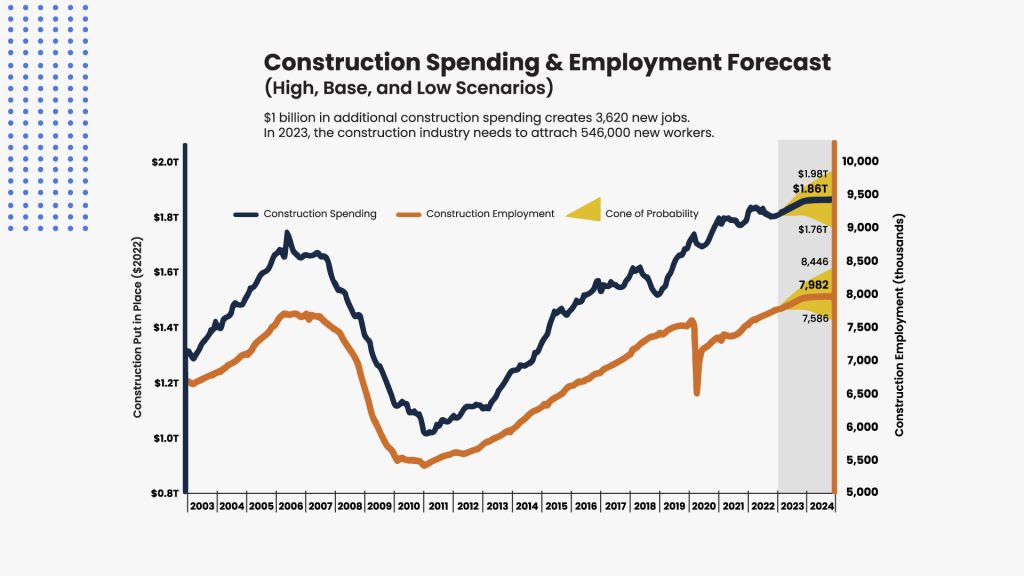
Though smaller excavators are less expensive and tend to cause less damage than larger excavators, the risks to graders and excavators are still significant. Besides heavy equipment insurance to protect these assets, construction companies should also consider the increased liability risks of less experienced workers operating these machines.
In addition to advanced machinery, the grading and excavation industry is also poised to continue implementing more (and newer) construction technologies. From computer-aided design (CAD) and LiDAR drones to 3D modeling and safety sensors, grading and excavation contractors are advancing the way they get the job done. While these tools can help contractors improve safety, accuracy, and efficiency, they can also lead to more complex lawsuits, which standard contractor liability insurance may not cover.
Increased cybersecurity
The construction industry has recently become the target of cybercriminals seeking to profit from ransomware attacks, wire fraud, and theft of intellectual property. According to encryption software company NordLocker, “more than 50% of companies have experienced a cybersecurity incident in the last 12 months.” In its 2022 ransomware report, NordLocker dubbed the construction industry the top target for ransomware attacks, reporting 142 cases and finishing ahead of both finance (123) and manufacturing (121).
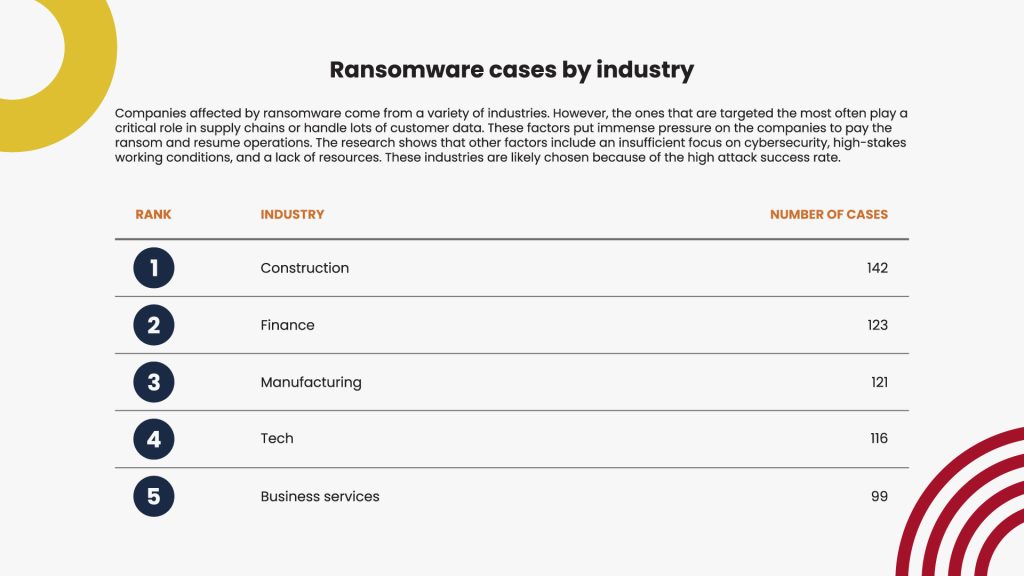
Unfortunately, cyberattacks against construction companies are rising. Many construction companies have outdated or inadequate cybersecurity tools and training, leaving them dangerously exposed to data breaches. As the construction industry increases its reliance on software tools, cybercriminals are exploiting these vulnerabilities, costing construction companies an average of $4.4 million per breach.
While increasing cybersecurity protocols is the best way to mitigate cyberattacks, no defense system is perfect. As a result, construction companies of all sizes should consider grading and excavation insurance with cyber liability coverage an absolute necessity.
Subsurface utility engineering (SUE)
As more utility companies turn to underground utility lines, we expect to see growth and advancement in technologies like subsurface utility engineering (SUE). Unexpectedly encountering and relocating utilities during an excavation is expensive and inconvenient, creating serious liabilities and worker safety risks. SUE is an engineering practice that uses technology to provide excavators and engineers with detailed information about underground utilities. The Federal Highway Administration has successfully used SUE for over three decades, and with states like Colorado and Pennsylvania passing laws requiring project owners to use SUE or similar methods before beginning construction, other states may soon follow suit.
Shift to safety and sustainability
Another focus of the grading and excavation industry—and the construction industry more broadly—is on improving worker safety and environmental sustainability. Construction consistently ranks as one of the most dangerous occupations, with 1,056 worker fatalities in 2022. 39 of those fatalities were attributed to workers engaging in trenching and excavation activities, a troubling increase from 21, the annual average between 2011-2018. The rise in excavation worker fatalities has already garnered OSHA’s attention, which will likely lead to new initiatives, increased enforcement, and more stringent safety standards.
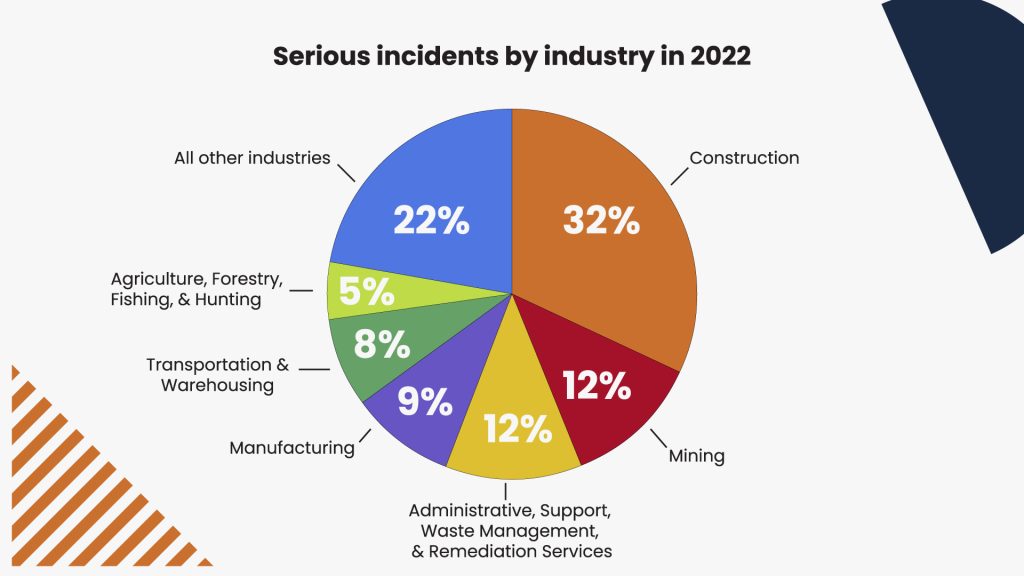
The construction industry might have fallen behind other sectors in their cybersecurity efforts, but when it comes to environmental sustainability, all eyes are on the companies that build our infrastructure.
McKinsey estimates the construction industry is tied to 40% of global carbon dioxide emissions, and with government pressure and incentives to decrease their carbon footprint, construction companies are at the forefront of changes to promote more sustainable operations. Executive Order 14057 outlined the U.S. goal of achieving net-zero emissions buildings by 2045, which includes a 50% decrease by 2032. These new goals will likely spark additional changes in government regulations of grading and excavation work, which can impact contractors’ liability. Without the right insurance coverage, these changes could spell disaster for contractors.
More complex projects bring higher insurance costs, new liabilities
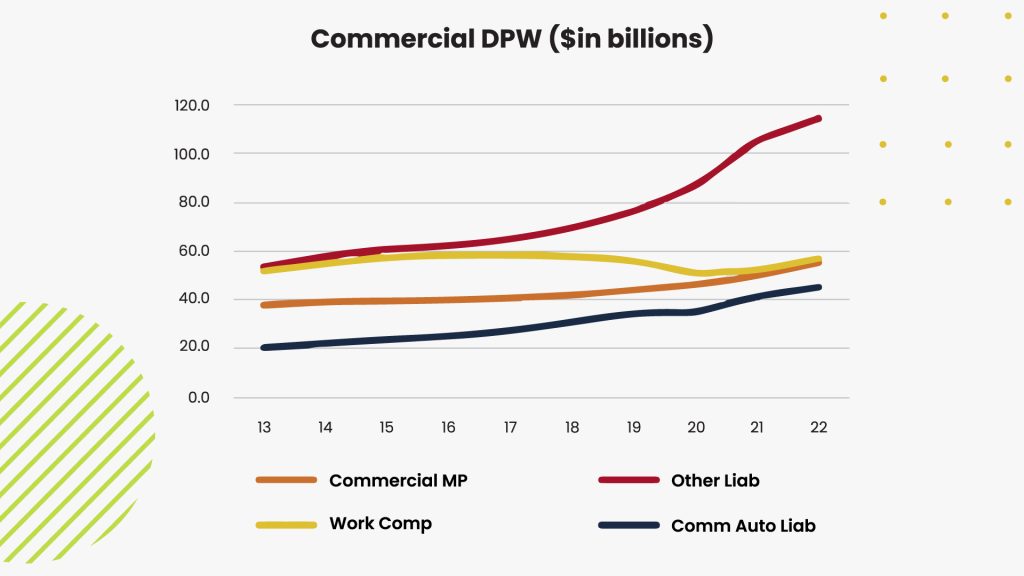
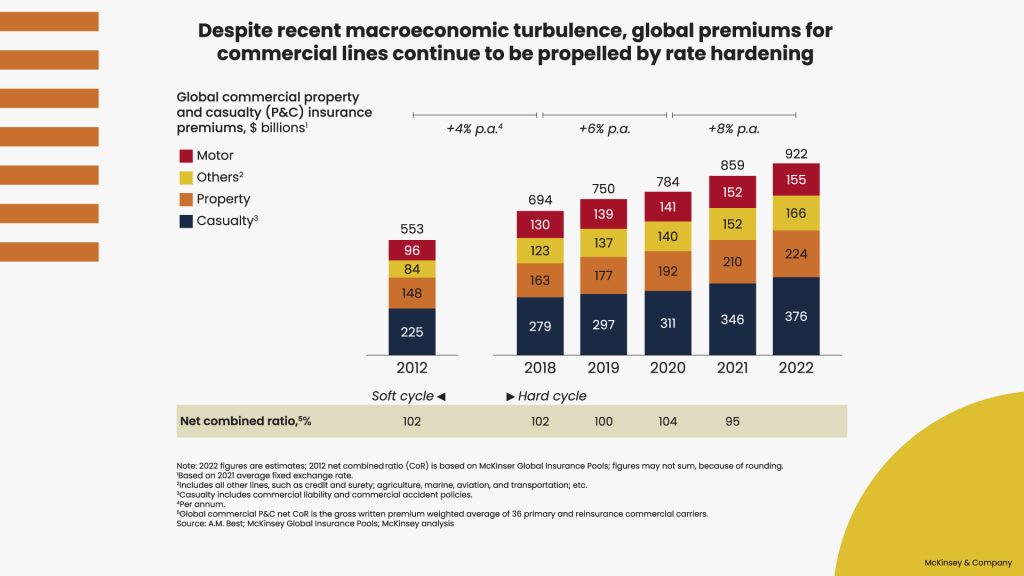
As projects grow more complex, underwriting insurance risks becomes more difficult and more expensive. With rates hardening, insurers and brokers must be more vigilant about coverages and premiums, which can leave coverage gaps and adversely impact customers. The National Association of Insurance Commissioners recorded a 9.6% year-over-year increase in direct premiums written in 2022. In addition to overall inflation, these increases reflect rising costs for insurers, like broader liabilities, more frequent litigation, and larger awards paid to plaintiffs.
To stay relevant and retain customers in a market that only grows more complex, brokers have an opportunity to win more business, but only if they have access to the right insurance products. Grading and excavation insurance is inherently risky and complex due to the size, scope, and variability of projects. The hardening market can make it more difficult to provide grading and excavation insurance or other specialty insurance products, even though demand continues to climb. With better insurance coverage by design and 30 years of experience insuring grading and excavation contractors, SitePro supports both these businesses and the brokers who help them stay protected.
SitePro Highlights + Conclusion
As the U.S. updates and extends its infrastructure, grading and excavation contractors will rise to the challenge of supporting these crucial, yet increasingly complex projects. NIP Group’s SitePro provides the project-specific coverage these contractors need to protect their businesses and support the next generation of U.S. infrastructure. With more of these projects, higher premiums, new liabilities, and constant changes in the grading and excavation industry, understanding and supporting these operations with robust insurance coverage has never been more important.
To learn more about SitePro’s specialty insurance for graders and excavators, visit the SitePro web page and submit your accounts today.
Don’t forget to download our Construction Compliance Checklist!
Construction Compliance Checklist