









Professionals in industries across the globe are, more than ever, working toward new ways to operate a sustainable business. Whether that’s energy conservation, electric vehicles, being mindful of resources or anything else, there has been a renewed emphasis on our environmental impact – and that’s no different for landscaping professionals.
In fact, sustainability has become an even bigger focal point over the last few years as we look at population density in urban centers, protecting wildlife, water conservation and more. Tree care and landscape professionals are at the forefront of sustainable practices and a few key changes have led the way (we’ll get to those in a moment).
As our climate continues to change, the role of nature within our ecosystems is of utmost importance. Trees absorb carbon dioxide which helps mitigate climate change and fight back, and they have a key responsibility in protecting biodiversity and the numerous species that live in and around them.
The rise of sustainability in landscaping
These types of landscaping practices have become more popular in the last few years and it’s safe to say they are here to stay. Why? Because we’ve seen the benefits not only for trees and their surrounding environments, but also for professionals and their businesses.
Sure, profits are nice – and those have been rising as well. But building trust with customers who value sustainability and then being able to provide the long-term benefits of sustainable landscaping has also helped businesses grow.
Urban development and landscaping is one sector that continues to value sustainability and trees among the key ingredients. The United States Forest Service estimates that trees planted around new buildings can reduce air conditioning needs by up to 20% and heating needs by as much as 50%.
The Environmental Protection Agency names trees as playing “a crucial role in improving air quality” by lowering greenhouse gas emissions – especially in populated areas where we see a lot of cars, utility vehicles and other pollutants.
A quick glance at the present (and future) of landscaping
This market continues to grow at an impressive rate with little sign of slowing down. As of 2022, expert forecasts have measured the U.S. landscaping market is estimated to be worth $129 billion USD and top companies grossing over $1 billion in revenue each.
The reasons for that? A big one is the growth of urban landscaping in concert with urban development. As mentioned, both industries are utilizing sustainable practices when building and trees are central to their eco-friendly plans. Beyond population centers, suburbs and suburban development are also tree-heavy and require regular work and upkeep.
With revenue growing modestly and the labor market rebounding after a flat couple of years post-COVID, it’s not difficult to see why so many people are bullish on the future of landscaping – especially as it becomes more sustainable.
Let’s talk about those sustainable practices and how they’ve been implemented.
How landscaping professionals are implementing sustainable practices on the job site
Virtually every element of landscaping – from site evaluation to planting to pruning to mulching and more – can be made more sustainable. Over the last few years we’ve seen several innovations that are changing how professionals care for trees and plants while giving them a longer, healthier life.
These practices benefit trees and, in turn, have positive impacts on the environment for years to come.
New water conservation methods
One of the main problems landscaping professionals encounter with planting and replacement is water usage. Mulch that isn’t organic doesn’t enrich soil as well as other products, leading to a need for more water and overuse of a valuable resource. Deep watering also helps use less water and keeps trees and plants healthy.
Using native plants when possible
When planting new trees, we’re seeing more landscape professionals using native species. This is important because native plants are better suited to the ecosystem and any potential pests or hazards. Trees become stronger in a native setting and will live longer and healthier, requiring less major maintenance and replacement in the short term (due to damage or disease).
Introducing organic landscaping practices
Many people – including landscaping professionals – are already using sustainable practices to plant new trees and care for existing ones. Planting trees responsibly (in a native habitat, with organic materials and conservative water use) helps them stay strong from the start and able to withstand hazards. When it comes to maintenance, organic fertilizers, occasional watering, and organic pest control substances will give trees a better chance at longevity.
Using electric or manual tools while working
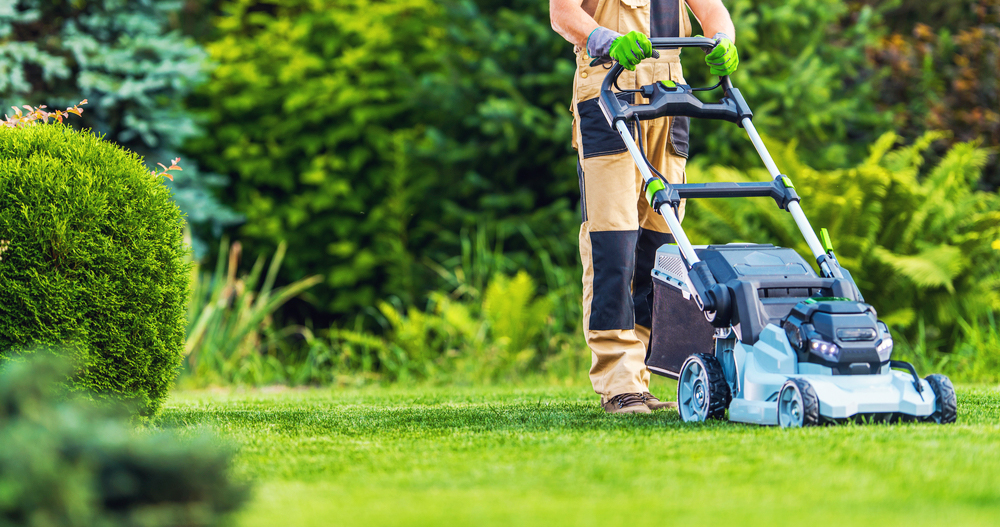
The use of electric tools has become more prevalent in recent years, reducing the need for larger gas-guzzling equipment that interferes with traffic and neighboring areas. Manual tools, as opposed to heavy machinery, have proven more beneficial to the environment and more effective – especially in areas where only pruning or occasional maintenance are needed.
Promoting soil health during all care phases
Soil health is critical to the long-term viability of trees and plants, and sustainability extends to soil as well. As mentioned above, soil is enriched when organic mulch and fertilizers are used; this practice also helps plants become stronger in their native environment.
How LandPro supports landscape clients as they work toward a more sustainable future
LandPro is a comprehensive insurance program that supports landscaping businesses and their employees.
With LandPro’s support, clients not only receive tailored coverage for the unique risks associated with their work, but also knowledge and resources available only from an insurance provider that’s intimately involved in the industry. As landscaping evolves and more sustainable practices are implemented, it’s important for clients to be protected by coverage that’s customized to their needs.
Businesses insured by LandPro get access to:
- A wide variety of covered landscaping risks such as removal/pruning, planting and maintenance.
- A dedicated team of insurance experts with more than 35 years of industry experience.
- Specialized coverages not available through traditional insurance providers.
- Insurance coverages tailored specifically to landscaping workers and their employers, including liability, property, workers’ compensation, inland marine and more.
LandPro is the largest program of its kind and carries an “A+” rating from A.M. Best. That means brokers and their clients will benefit from the program’s strength and stability. Landscaping and tree care professionals will enjoy having the security they need to focus on successfully growing and running their businesses.
Want to learn more? Get in touch with a member of the LandPro team to see how this tailored insurance offering can benefit your clients.