







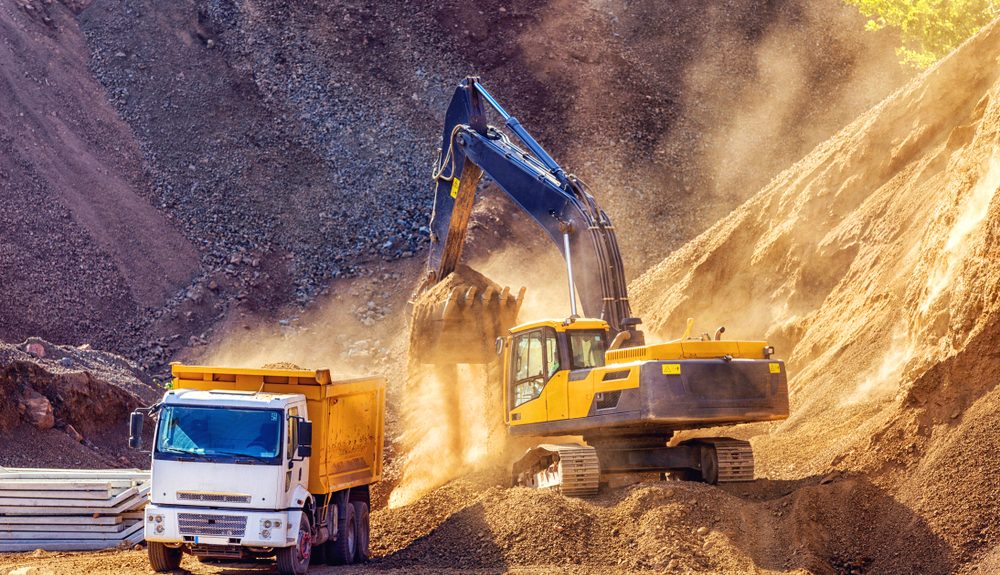
It’s no secret the construction industry is often regarded as one of the most dangerous, and graders and excavators are all too familiar with the many risks of their occupation. Working with heavy equipment, operating beneath unstable loads, and working around utility lines are all part of an ordinary day for a grading and excavation contractor. If these risks alone aren’t enough to highlight the need for specialized insurance coverage, consider the additional complications excavation pros might encounter on more complex projects, such as flood zones and seismic activity zones.
High-Risk Sites Pose Additional Perils, Possibilities
High-risk sites can present enormous challenges for graders and excavators, but with these increased risks comes opportunity. Working in high-risk zones is a specialized skill that requires specialized insurance. Graders and excavators already contend with a vast set of risks, where each job brings the potential for serious injuries and costly property damage. The frequency and scale of these risks can increase in more challenging settings, including:
Flood zones
State, federal, and local governments are responsible for managing flood zones, and excavators are often tasked with helping safely redirect water. Excavators can assist in preventing flooding, preserving the environment, and dredging to help free up water flow. Unfortunately, in wet areas, the risk of cave-ins – one of the most common excavation site accidents – increases due to an additional lack of stability. As a result, working in flood zones or near other wet areas can amplify the risk of worker injury and liability losses for grading and excavation contractors.
Seismic activity zones
A seismic activity zone is yet another one of the many terrain challenges grading and excavation pros can encounter on the job. In addition to the physical challenges of working in more volatile areas, seismic activity zones are subject to additional regulations and excavation standards, which can complicate the work of graders and excavators while increasing project costs and liability risks.
Remote, unstable, or inaccessible locations
Grading and excavating in remote or inaccessible areas can create additional risks for contractors, who may also find operating on these sites more challenging. Working in remote areas can create logistical challenges, where it may be costly and complicated to transport equipment, supplies, and other necessities to the job site. In addition, medical care may be limited in these areas, and with potentially unstable terrain, the risk of injury is likely already higher. Finally, though there are advantages to working in less developed areas, a rural excavation site may not be connected to public utilities, which could mean contractors have to provide their own power and water – yet another complication and potential liability.
Polluted or environmentally hazardous areas
Graders and excavators work on environmental cleanup projects, which can include moving contaminated soil to mitigate environmental risks. Superfund sites, landfills, brownfields, and other industrial areas all increase the risk for excavation and grading contractors, who must assist in directly transporting and helping relocate soil or debris contaminated by hazardous materials.
Assessing Risk in Earthworks Operations
Before breaking ground on a new project, grading contractors and excavation pros should focus on assessing risk and promoting project safety. However, even the most thorough risk assessment can only address your awareness of these risks. To meaningfully reduce risks, contractors must implement rigorous safety protocols, train their employees on how to maintain a safe working environment, and arm themselves with specialized insurance to minimize financial losses. To better assess and minimize risks at excavation sites, contractors should:
- Study federal, state, and local regulations that apply to the project, along with any permitting requirements
- Recognize their responsibilities under state and Occupational Safety and Health Administration (OSHA) regulations (including additional restrictions and regulations for high-risk activity zones)
- Research the site and study local geological studies to better understand the environment in which they have to operate and to recognize best practices and potential risks
- Work with a professional engineer to understand the risks of a specific site
- Determine the soil type
- Mark all utilities
- Consider whether specific employees are at increased risk
- Test for hazardous atmospheres
- Evaluate existing control measures and emergency plans
“Grading and excavation is inherently dangerous work and is compounded by operating in higher-risk areas that are remote, unstable, or prone to flooding or seismic activity. To protect the financial interests of their businesses, grading and excavation contractors require more comprehensive, more specialized insurance with enhanced coverages and riders customized to address these diverse needs.”
– Michael Finati, SitePro Program Manager
Advanced Insurance Options and Customizations
Even policies with generous liability limits and workers’ compensation coverage can leave grading and excavation contractors exposed to potential losses. Working in high-risk zones can increase these risks, some of which advance insurance options and policy customizations may address.
- Business interruption/business continuity insurance
- Increased policy limits and excess liability insurance
- Heavy equipment insurance
- Umbrella liability coverage
- Commercial auto coverage
- Crime coverage
- Commercial flood insurance
- Product liability insurance
- Pollution liability coverage
Pursuing projects in high-risk areas means excavation and grading contractors could be more likely to have claims related to injuries, environmental hazards, pollution liability, property damage, product liability, and more. Specialized excavation insurance can offer the advance risk management solutions and riders contractors need to protect their businesses in almost any situation.
Case Studies: When Specialized Excavation Insurance Can Help Protect Contractors
Specialized excavation insurance is a must for site preparation and excavation contractors. The complexities of the business, the increased risk profile, and the costs of these projects call for more specific and more comprehensive coverage for excavation and grading professionals.
Case #1: New $300,000 excavator stuck in wetlands
In October 2023, an excavator operating in wetlands in Scotch Plains, New Jersey, sunk. At the time of the accident, the vehicle was operating in dense forest and on muddy, unstable terrain, causing it to slide into the brook, where it got stuck. The vehicle, which was purchased by Union County just a few months before the accident, cost over $300,000 and was fully insured. In addition to the cost of the equipment, the county could also be liable for any environmental damage caused by the excavator.
Case #2: Widow of construction worker killed in trench collapse sues for more than $1 million
In April 2024, the widow of a construction worker who was killed in a trench collapse sued the employing construction company for negligence and vicarious liability. The suit, which seeks more than $1 million, alleges that the company failed to prevent the cave-in and that it didn’t provide a safe job site. In this case, a specialized insurance policy should include a workers’ compensation policy with vicarious liability coverage that would apply in this situation.
SitePro’s Specialized Coverage
For grading and excavation contractors who want to capitalize on every opportunity and who need to protect their businesses with customized, comprehensive coverage, SitePro can help. With over 35 years of experience insuring grading and excavation businesses, NIP Group’s specialized coverage provides the security grading and excavation businesses need to grow.
Submit your accounts online today, speak with a program manager, or visit the SitePro webpage to learn more today.
OSHA/Regulatory Info
There are many OSHA safety requirements for grading and excavation job sites. These responsibilities include:
- Testing and classifying soil
- Designing structural ramps
- Monitoring water removal equipment
- Creating adequate protective systems in accordance with OSHA standards (1926 Subpart P), which may include trenching, benching, shoring, and shield systems
- Inspecting protective systems
- Conducting atmospheric tests before workers enter an excavation area more than 4 feet deep
- Providing a warning system when using mobile equipment
- Providing egresses (e.g., ladders, ramps, steps) for workers operating in excavations deeper than 4 feet
- Keeping excavated materials at least 2 feet away from trench edges at all times
- Inspecting the site each morning before beginning work
- Removing loose debris or material that could injure workers
- Understanding and respecting workers’ rights under the law
- Establishing an injury and illness prevention program
- Providing appropriate personal protective equipment
- Requiring employees to take appropriate safety training courses
State laws for graders and excavators
In addition to federal laws, grading and excavation contractors must also adhere to local laws in the states where they operate. These laws often focus on permitting and reporting, though they might also reinforce, reiterate, or build upon safety laws set forth by OSHA or other federal government agencies.
California
- Determine the excavation area
- Notify the regional notification center at least 2 working days before planned excavation (except in emergencies) to obtain a ticket
- Maintain a record of notifications sent to regional notification center for 3+ years
- Begin work only after receipt of a positive response from all subsurface operators. If an onsite meeting is required, work will begin only after completion of the onsite meeting
- Protect employees from subsurface installations while the excavation is open
- Notify subsurface installer or call 911 immediately if damage to lines occurs
- Maintain and make emergency rescue equipment readily available
- Install walkways or bridges with guardrails for cross-over areas more than 30 inches wide and 6 feet deep
New Jersey
- Call 811 or 1-800-272-1000 to obtain a ticket for your project
- Provide your contact information and information about the project (location, scope of work, etc.)
- Wait for an operator to mark the site and any underground installations
- Blue = Water; Orange = Cable lines; Green = Sewer; Red = Electric; Yellow = Steam lines, gas, oil, or other potentially dangerous materials; White = Proposed excavation
- Workers must hand dig areas within 2 feet of markouts (i.e., flags or paint lines identifying underground installations or dangerous materials)
New York
- 2-10 working days before the planned project start, excavators must provide notice of the location and planned excavation date by calling 811 or using newyork-811.com.
- Operators must complete an excavator training and education program through a local New York 811 Center.
- Obtain a ticket online through New York’s Internet Ticketing system (ITIC)
- Wait for Automated Positive Responses (APRs)
- After markouts are located—and before any digging begins—the excavator must conduct a visual site inspection to confirm utilities are marked up
- All markouts should be located in accordance with the color-coding system (yellow = hazardous liquid or gaseous materials, red = power lines, orange = communications lines, blue = water, green = storm and sanitary sewers, purple = radioactive materials, white = excavation site, pink = survey markings)
- If any markouts are missing, call the facility operator
- Excavators must hand dig within 24 inches of the ends of markups before using mechanized equipment
Texas
- Call 811 (or 1-800-545-6005) or go to https://texas811.org/ at least two working days before beginning work
- Share project information with Texas 811, including the location of the work, the size of the work area, who is doing the work, excavation depth, and other details of the proposed excavation.
- Receive a ticket number (and retain it until the project is complete)
- Wait to receive a positive response indicating utilities are marked (if applicable)
- Hand dig within the tolerance zone (18” on either side of marked utilities)
- Immediately report any damage to utility lines to 811