








Landscaping businesses face many challenges, from the labor-intensive nature of their work to seasonality and higher-than-average risks. However, for the landscaping contractors who successfully navigate these complexities, there’s plenty of opportunity.
With estimated revenues of $154 billion in 2023 and forecasts of compounding annual growth rates exceeding 5% over the next five years, landscaping businesses have a chance to capitalize on the industry’s steady expansion. As the scope of landscapers’ responsibilities continues to expand, year-round business protection is crucial for any landscaper operating during all four seasons.
Seasonal landscaping risks
One of the most difficult risk management challenges for landscapers is the variability of risks throughout changing seasons. Landscapers already contend with seasonal swings in demand, which means pivoting to different services and hiring contractors or part-time employees.
Spring
Spring is the busiest season for landscapers, with high demand for landscape maintenance, pruning, pesticide application, irrigation installation, and more. The increased activity in the spring can open landscapers up to additional liabilities and risks, including falls, chemical exposure, electrocution, property damage, and more. Since landscapers likely offer a wider variety of services in spring, comprehensive landscaping business protection is an absolute necessity. Landscapers are also likely to hire additional employees or contractors during this time, and those with less experience may be more susceptible to injury or making mistakes on the job.
Summer
The extreme heat that accompanies the summer season can create serious risks and challenges for landscapers. Every year, dozens of workers die from heat exposure and thousands more suffer from heat-related injuries or illnesses. Though (as of July 2024) there are no federal laws to help protect workers from extreme heat, employers can still be liable if they fail to provide a safe working environment. (New OSHA standards for heat injury and illness prevention have been proposed, but not yet passed into law.)
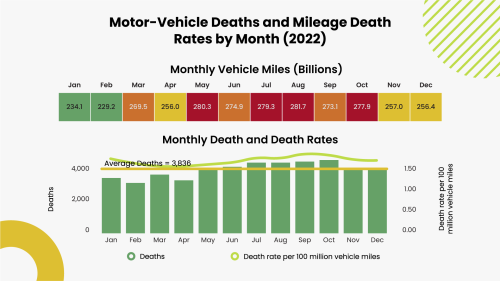
Warmer weather can also bring increased commercial auto risks for landscaping contractors. During the summer months, more cars tend to be on the roads, resulting in the most miles driven and the highest incidence of fatal crashes. Summers also see more vehicle thefts and break-ins than any other season, along with more burglaries.
Fall
Fall is still a busy time for landscapers as homeowners prepare for winter. Autumn cleanups often include clearing leaves from gutters, which can lead to falls from ladders or booms. Wet leaves can also increase the risk of slips, trips, and falls. Property damage liability risks can also increase during the autumn season as landscapers engage in more hardscaping projects and decommission irrigation systems.
Winter
Winter months are typically the slowest for landscapers, which is why more than half of all landscapers also offer snow and ice removal. Snow, ice, and extreme cold can all create new and increased workers’ compensation risks, inland marine risks, and commercial auto risks, and lead to third-party liability and property damage claims.
Slips and falls are consistently one of the top workers’ compensation claims, and with freezing temperatures, these risks can increase significantly. Cold weather can also cause potential property damage claims against landscaping contractors due to leaks, frozen or burst pipes, and damage caused to property by plows or other snow removal equipment.
Comparing Standard and Specialized Coverage
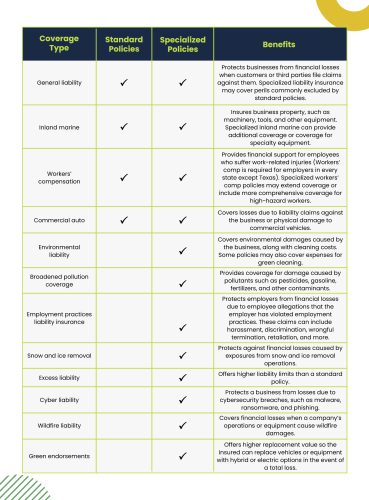
How Does LandPro E&S Coverage Enhance Year-Round Protection?
LandPro’s excess and surplus coverage considers – and covers – the potential risks of complex work landscapers might engage in, such as:
Snow and ice removal
Loss scenario: A snow plow causes damage to a customer’s driveway and fence, and the landscaper is held responsible. The landscaper’s insurer covers the costs of repaving the driveway and replacing the damaged portion of the fence.
All-seasons landscaping
Loss scenario: A landscaper accidentally removes the wrong tree from a customer’s yard. The tree was rare and cost several thousand dollars to replace.
Green roof installation
Loss scenario: A roof installed by a landscaper is improperly fitted, causing significant water damage to building’s interior and surrounding walls.
Landscape construction
Loss scenario: A retaining wall installed by the landscaper fails, causing damage to an adjacent structure.
Irrigation systems and other water features
Loss scenario: An irrigation system or fountain leaks and causes damage to the customer’s property.
Landscaping Claims and Case Studies
Here are some real-life examples of why insurance for landscaping businesses is so important.
Case #1: Landscaper damages more than 300 lawns with accidental herbicide application
A landscaping company in South Dakota damaged more than 300 lawns when it accidentally applied an herbicide. The company’s claim was denied by its insurer because the policy excluded work completed by the insured and work completed incorrectly.
Case #2: School district files $1.6 million lawsuit against landscaper, alleging faulty irrigation system
A Colorado public school sued a landscaping company for $1.6 million, alleging that the faulty irrigation system caused extensive damage to its administration building.
Case #3: Connecticut landscaper sued after employee fall results in death
A Connecticut-based landscaper settled a wrongful death lawsuit for $1.2 million after an employee fell from a tree while removing branches. The lawsuit alleged employee negligence, claiming the employees acting as groundsmen provided too much slack in the rope, causing the tree to snap.
Case #4: Indiana landscaping company cited after employee dies of heat stroke
Federal investigators cited an Indiana landscaping company after an employee died of heat stroke. Employers are responsible for maintaining workplace safety at all times and should follow OSHA’s recommendations on preventing heat illnesses at work. Failing to provide safe working conditions for employees can also expose an employer to lawsuits, and above all, puts employees at risk.
Conclusion
LandPro’s excess and surplus coverage provides comprehensive landscaping insurance for operations during all four seasons. Because landscapers take on so many different responsibilities throughout the year, risk management for landscapers should extend beyond the basics. From installing green roofs to removing ice and snow, LandPro gives landscapers year-round protection and peace of mind so they can focus on securing and growing their businesses.
Visit the LandPro web page to speak to an expert or submit your accounts today.