






“When seasons change, so do the risks to tree care companies and their workers. To protect them, NIP Group’s TreePro program focuses on addressing cold weather risks, and on providing coverage and compliance tips for arborists to transition seamlessly through all four seasons.”
– Tim Greifenkamp CPCU, TreePro Program Manager
Arborists play a vital role in helping protect cities, businesses, residences, people, animals, and the environment. But when the seasons, and the risks, change, so do arborists’ tree care liability insurance needs. NIP Group’s TreePro program offers comprehensive, specialized insurance for nearly every tree care risk, through every season. As the industry continues to grow, brokers and tree care companies can capitalize on estimated compound annual growth rates of nearly 14%. To do so, companies should prepare for winter storm-related damages and emergency response risks, focusing on how to mitigate the risks of worker injury and other winter-weather liabilities.

Source: https://www.thebusinessresearchcompany.com/report/tree-services-global-market-report
Common questions for tree care coverage brokers
Brokers who provide cold weather tree insurance can help clients and prospects by offering answers to some of the most common questions, which typically focus on coverage needs, liability and regulatory risks, and how to protect their financial interests.
What are the top winter tree care liability risks?
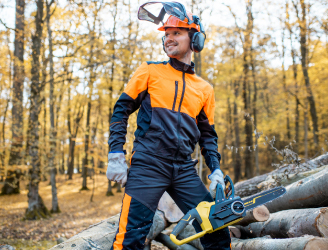
Seasonal risks for arborists in winter vary depending on the services the business offers. Winter tree hazards include a higher risk of falling branches, slippery surfaces, poor visibility, cold stress, and an increased risk of electrical contact, all of which can lead to more workers’ compensation claims. According to the National Council on Compensation Insurance, the frequency of workers’ compensation claims is up to 10% higher with cold daily temperatures. Cold, wet weather also results in more slips, falls, and motor vehicle accidents.
Companies may also face winter storm damage liability, which can include negligence or errors and omissions. In addition, tree care companies should consider commercial auto and auto pollution liability risks.
What cold-weather coverages do arborists need for winter?
Since arborists often perform additional services during the winter months, it’s important to maintain or add coverages that address the risks associated with these services. Besides general liability, workers’ comp, inland marine, and commercial auto coverage, arborist liability insurance for winter should consider additional risks. These may include snow and ice removal, errors and omissions, and increased liability. Since tree care companies assume greater risks and face additional challenges due to snow, ice, and freezing temperatures, the best way to address a company’s specific needs is by reviewing and updating its existing policies.
What are some ways to reduce winter-weather claims?
To reduce claim frequency and severity, tree care companies should focus on proactive risk mitigation, planning, and emergency preparedness. Examples of proactive risk mitigation techniques include winter safety trainings for employees, winterizing all equipment and vehicles, site assessments to address snow and ice damage risks, and creating or updating emergency protocols.
Tips for complying with OSHA regulations during the winter months
The Occupational Safety and Health Administration (OSHA) standards for tree care companies explain the requirements for maintaining a safe worksite. These laws and guidance apply to all four seasons, but the tips below can help your clients stay compliant through the winter months:
- Check the worksite for any potential hazards.
- Conduct all work at least 10 feet away from power lines, or work with local electric companies to ground the line.
- Use markers to establish a drop zone that’s at least twice the height of the tree.
- Report all work-related fatalities (within 8 hours), inpatient hospitalizations, amputations, or the loss of an eye (within 24 hours) to OSHA.
- Keep all walking-working surfaces free of hazards, including snow and ice.
- Ensure employees have protective footwear and handwear.
- Maintain a first aid kit on site and have at least one person trained to provide first aid.
- Cease work operations when environmental conditions create a hazard for employees, including heavy rain or snow, darkness, and extreme cold.
- Remember to research your state’s OSHA-approved plan, if applicable, and whether it applies to government workers and/or private workplaces.
- Refer to the Code of Federal Regulations 29 CFR 1910, Operation Standard, for more information.
Learn more or submit your tree care accounts to the industry experts
Your tree care clients count on you to help them recognize risks before they happen and to protect them from potentially costly liabilities with the right coverages. That’s why it’s so important to work with a specialty insurance provider that understands the complex risks and regulations tree care companies face throughout all four seasons.
Interested in learning more about the types of tree work we cover? Speak with a TreePro specialist or submit your accounts today.
Winter tree care liabilities preparation checklist