




With total revenues exceeding $150 billion and a compounding annual growth rate of around 9% over the past decade, the landscaping industry offers plenty of opportunity. Whether you’re a broker insuring landscaping services companies or you own a landscaping business, you know the risks of the industry and the importance of landscaper liability coverage. As the industry continues to expand, brokers and business owners will likely seek specialty insurance that provides more than just the basics, starting with general liability coverage.
What are the top general liability risks to landscaping businesses?
General liability insurance is the backbone of every commercial insurance policy because it protects the business from potentially costly bodily injury and property damage claims. Some of the most common landscaper insurance claims that are usually covered by general liability include slips, trips, falls, chemical exposure, and damage to private or public property.
Bodily injury claims
Slip and fall claims are a persistent challenge for landscapers, whose work regularly involves dealing with uneven terrain, exposed roots, debris, irrigation systems, leaves, and other hazards that pose a high slip and fall risk. For landscapers in areas that experience snow and ice, these risks may be even greater.
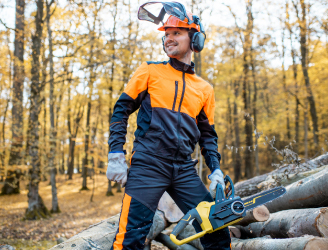
Another common cause of third-party bodily injury claims is accidents involving falling or flying objects. A falling tree branch or an object thrown by a brush cutter or mower can strike passersby, resulting in potential injuries and claims risks.
Property damage claims
Third-party property damage insurance for landscapers is typically covered under a commercial general liability policy. Though these claims can vary widely, common examples include flooding or water damage due to drainage problems, damaged plants, or damage to structures from falling branches and flying objects. In addition, landscapers also run the risk of damaging utility lines, such as power lines, gas lines, sewers, and septic systems.
Landscaping business risk mitigation tips
Offering prospects and current clients exclusive broker tips for minimizing general liability insurance claims is a great way to build trust. So what are some ways landscaping businesses can mitigate the risks of costly claims?
- Adopt a safety-first mindset: The best and easiest way to mitigate claims risks is to avoid incidents altogether. Human error is a common cause of workplace accidents, but when employees put safety first, those risks may be less likely. Landscaping business owners should always encourage a safety-first mindset, including adhering to OSHA safety guidelines and providing ongoing safety training.
- Communicate clearly with clients and workers: Lack of communication is another common cause of workplace accidents. Whether it’s cutting down the wrong tree, applying pesticides incorrectly, or following company safety protocols, even small miscommunications can lead to sizable problems. Instead, aim to ensure that all communications are abundantly clear, both internally and when speaking with clients.
- Label and document everything: Labeling and documentation can help landscaping businesses avoid potential problems, such as chemical injuries and disputes about services rendered or damage to property. Landscaping businesses can help protect themselves — and the safety of their workers and others — by keeping detailed records of work orders, completed jobs, incidents, and more.
- Inspect, clean, and maintain equipment: Maintaining landscaping equipment isn’t just a great way to extend the lifespan of equipment; it also plays a key role in protecting workers, bystanders, and property. A poorly maintained piece of equipment is more difficult to use and more likely to cause injuries or damage, not to mention results that look unprofessional.
What’s not covered by general liability?
Insurance inclusions for landscaping companies address many common risks but can still leave a business with major coverage gaps. Some of the more obvious exclusions include employee injuries (covered under workers’ comp), vehicle accidents (covered under commercial auto policy), and damage to the business’s own property (covered under inland marine. What many business owners might not realize is that general liability insurance for landscapers can omit coverage for larger claims (such as those exceeding $1 million), workmanship errors, pollution liability, and cyber liability, all of which require endorsements or additional monoline insurance.
Why specialized landscaping insurance is so important
General liability insurance is one of the core coverages for any landscaping business, but not all policies are created equal. NIP Group’s GrowPro is designed specifically for lawn care and landscaping businesses, with coverages customized to tackle the unique risks of the industry. Landscapers should also consider the complete scope of risks they face in their day-to-day operations, purchasing additional coverages as needed to supplement the general liability policy and protect the financial interests of the business.
Ready to learn more about all-seasons landscaping insurance? Visit the LandPro webpage to submit your accounts online or speak with an expert.