






“Heat-related illness and injury can sideline workers and result in costly workers’ comp claims. Fortunately, with a little planning, tree care companies can help protect workers through simple strategies like acclimatization, frequent rest breaks, and first aid training.”
– Tim Greifenkamp, TreePro Program Manager
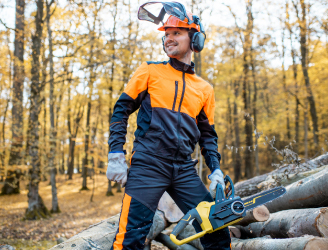
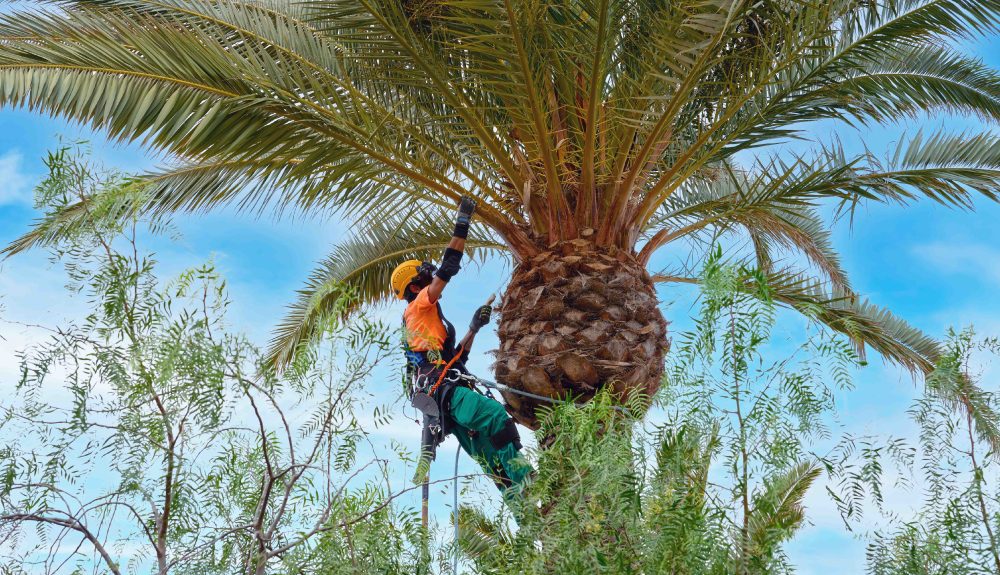
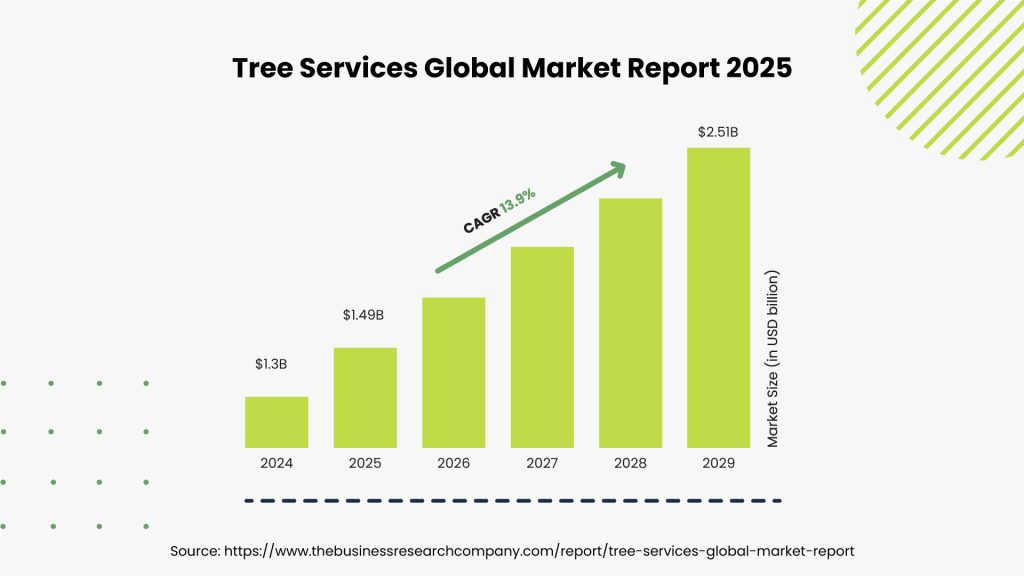
With arborists and tree trimming businesses set to profit from rapid industry growth over the next decade, one of the keys to scaling sustainably is balancing risk and opportunity. Tree care consistently ranks among the most dangerous occupations, with risks such as transportation accidents, slips and falls, contact with objects or equipment, and exposure to harmful substances. But one peril that might be overlooked — and that can increase the occurrence or severity of other risks — is the summer heat.
The dangers of heat-related illnesses
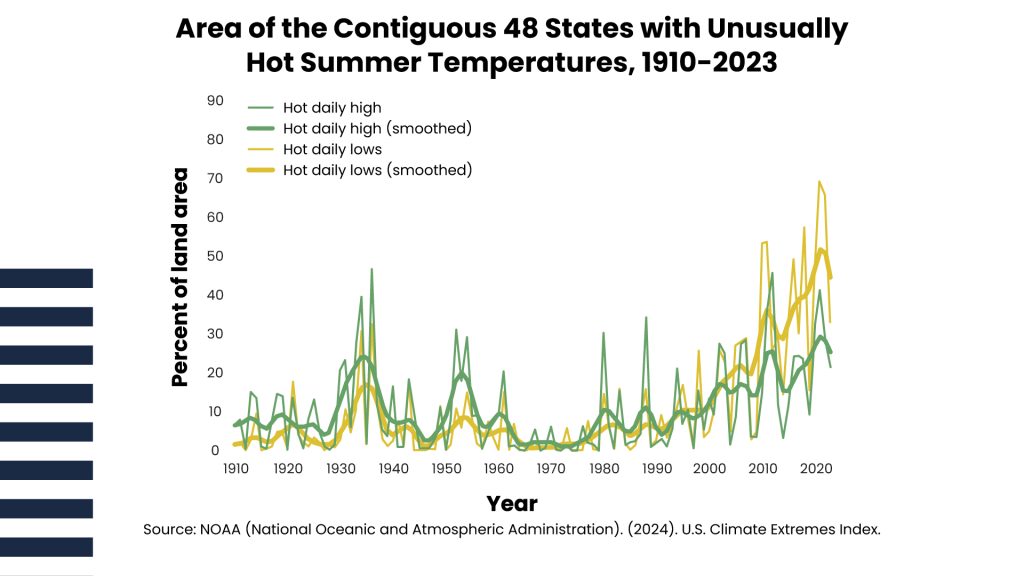
When outside temperatures exceed 90 degrees, work-related injuries increase by roughly 6%. In extreme heat, workers face the risk of dehydration, sunburn, heat stroke, and heat exhaustion. In addition, heat stress can impair judgment, resulting in slower thinking and poor coordination. This can lead workers to make mistakes on the job, which might increase the risk of other, more severe consequences. As summer temperatures rise, so do heat exposure and workplace risk. Preserving workplace safety in extreme heat not only helps protect workers from harm but also plays a critical role in reducing workers’ compensation risks and employer liabilities.
5 summer heat safety tips for brokers and tree care businesses
A proactive focus on preventing heat-related illnesses is one of the best strategies to reduce injury claims in summer. Here are five ways tree services businesses can promote jobsite safety in extreme heat.
1) Acclimatize new workers
Heat-related illnesses and injuries are significantly more likely to affect new employees or those unaccustomed to working in hot weather. To reduce these risks, tree care companies should focus on gradually introducing contractors to working in the heat. One strategy the Occupational Safety and Health Administration (OSHA) offers is known as the 20% Rule. On day one, the contractor should only work for 20% of the time. In each subsequent day, the duration of work can increase by 20% until they reach a normal working schedule.
2) Help workers stay cool
Employers can help workers stay cool by requiring 10-minute cool-down breaks every two hours and providing cool water and electrolyte drinks. If possible, scheduling heavy work during the coolest times of the day can limit heat exposure and reduce risks. Employers should also encourage workers to wear light-colored, loose-fitting, breathable clothing on the job, in addition to hats and sunscreen.
3) Look for signs of heat-related exhaustion or illness
Identifying heat-related exhaustion before it leads to illness or injury is another way to improve contractor safety in extreme heat. Educating employees to recognize the signs of heat exhaustion in themselves and others can help mitigate workers’ compensation risks caused by summer heat. If a worker shows signs of heat exhaustion — such as cramps, dizziness, excessive sweating, nausea, and weakness — move them to a cool area, loosen clothing, and give them cool water to sip. If a worker has symptoms that point to heat stroke — such as dizziness, confusion, or loss of consciousness — call 911 immediately and move them to a cool area.
4) Ensure at least one employee is trained in first aid
OSHA Standards 1910.151 state that it is the responsibility of the employer to ensure ready access to medical personnel. If there’s no hospital or health clinic nearby, the employer must have first aid supplies and trained personnel to administer treatment. Employers should also adhere to the additional protective measures under American National Standard Institute (ANSI) Z133 guidelines.
5) Check equipment more frequently
Hot weather can shorten the lifespan of oil and fluids and cause engines and batteries to overheat. This can result in potential equipment malfunctions, which could increase the risk of injury to workers. To reduce these risks, tree care companies should check equipment and fluid levels on a more frequent schedule.
Conclusion
Summertime is a great opportunity for arborists and tree trimmers to generate more revenue, but it’s also when workers face the highest risks of heat-related illnesses and injuries. Fortunately, tree care businesses can help protect employees by helping educate them about the signs and symptoms of heat exhaustion, giving employees adequate rest and hydration breaks, and implementing emergency response procedures. While many heat-related accidents are preventable, there’s no substitute for comprehensive insurance coverage when the unexpected occurs. NIP Group’s TreePro is the industry specialist in tree care insurance, offering tips to help reduce risks and tailored coverages to protect growing businesses.
Submit your accounts online today or speak with a program expert to learn more.
Download now: Heat illness injury prevention tips