







Source: eia.gov/todayinenergy/detail.php?id=65264
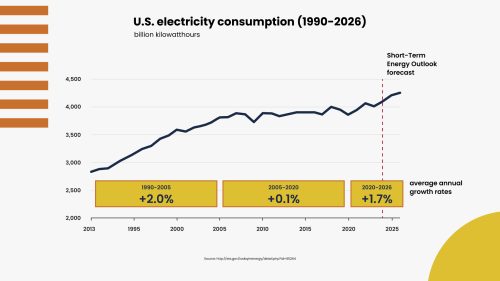
As weather patterns across the U.S. shift and data-center growth continues its rapid ascent, demand for electricity and other utilities continues to rise. These shifts, along with billions of dollars in federal funding earmarked for infrastructure improvements, have created an abundance of opportunity for utility contractors and their insurance brokers.
But with seasonal changes and more complex projects, these opportunities can come with increased risks. As a result, brokers who want to grow their utility contractor portfolios and build trust should offer both seasonal utility contractor insurance and ongoing guidance to help clients minimize risks associated with operational and environmental changes.
Common Fall Jobsite Hazards
Utility work is inherently risky, even when environmental conditions aren’t a factor. However, harsh weather — such as extreme heat or cold — can increase the risk of worker injury and employer liabilities. To create an effective risk mitigation plan, it’s important to recognize some of the most common seasonal threats on utilities jobsites, such slips and falls, cold and heat stress, and poor visibility.
Slips and falls
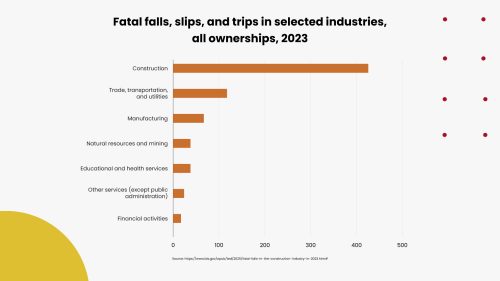
Slips and falls are the leading cause of fatalities in both the construction and utilities industries. Utility workers operate high above the ground on towers, line poles, scaffolds, and ladders. As a result, utility work fall safety should be a top priority for all utility contracting business. During the fall months, slippery surfaces and leaves can increase slip and fall risks. To proactively reduce these risks, jobsites should always be kept clear of all obstacles and debris, and employees should wear weather-appropriate footwear.
Source: https://www.bls.gov/opub/ted/2025/fatal-falls-in-the-construction-industry-in-2023.htm#
Cold and heat stress
During autumn, temperature fluctuations can expose utility workers to risks from both heat and cold stress, often in a single workday. From facing the risks of hypothermia to heat exhaustion, utility contractors should be prepared —and properly equipped — to work in both freezing and tropical conditions.
Reduced visibility
Poor visibility can compromise worker safety, potentially increasing all risks to utility contractors. With shorter days, morning fog, and sun glare, fall weather can impede visibility. To aid visibility, businesses should use jobsite lighting and equip contractors with high-visibility clothing, full-brim hard hats, and other personal protective equipment that meets American National Standards Institute (ANSI) guidelines.
Fall Hazard Planning for Utility Job Sites
The fall season can bring with it a range of unpredictable risks. To better prepare for this seasonal change, utility contracting businesses can focus on internal changes — like fostering a risk-smart culture — exploring technology that can help mitigate hazards, and maintaining specialized insurance coverage to protect against the unexpected.
Promoting a risk-smart culture
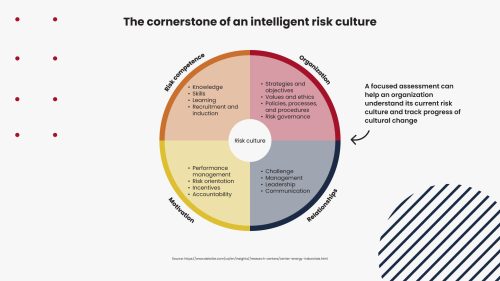
As seasons and risks change, promoting a proactive risk-smart culture may be one of an organization’s best defenses against on-the-job incidents. Yet according to a Deloitte survey of power and utility companies, just 6% of them actively measure risk culture. Company policies and procedures are only as good as the workers they’re supposed to protect. But a risk-smart culture deputizes all employees, encouraging them to proactively identify potential hazards, speak up, and prevent incidents before they occur.
Utilizing technology to reduce risks
Technology continues to play a key part in every industry, and utilities are no exception. Wearables, drones, GPS systems, augmented reality tools, and predictive analytics are a few leading technologies that can help improve worker safety and efficiency. For example, wearables can be used to monitor employees for signs of heat and cold stress and detect falls.
Maintaining seasonal utility contractor insurance
While prevention is always the best cure, there’s no substitute for comprehensive commercial insurance to protect the business’s financial interests. The complexity of utilities contracting work demands specialized insurance coverage to protect against the range of risks that come with working high above ground and in hazardous atmospheres. For example, NIP Group’s UtilityPro program provides tailored coverage for utility line clearance, in addition to construction and maintenance of power, communication, gas, water, and sewer lines.
Utility Crew Risk Management Through Seasonal Changes
Before entering a transitional season like autumn, utility contractors can anticipate shifting risks and shore up their defenses. In addition to any existing safety procedures, businesses can implement a hot and cold weather injury prevention plan. The Occupational Safety and Health Administration (OSHA) offers readiness tips to help address environmental risks for utility workers, including preparing for winter weather and preventing heat-related illnesses. These plans can help prepare workers for any weather conditions on the job and help utility contracting businesses set clear standards of communication, identify hazards early, and help prevent incidents.
Conclusion
Seasonal changes bring new challenges to utility contractors, who already face a unique set of risks. As these businesses look to capitalize on growth opportunities in the utilities sector, risk mitigation will become even more important, especially as weather patterns shift and demand rises. By promoting a risk-smart culture, creating incident prevention plans with a seasonal focus, and exploring opportunities to leverage technology, utility contractors can help protect their employees. But with high stakes and an above-average risk profile, specialized insurance coverage can help keep utility contractors well-prepared to handle the unexpected.
Learn more about UtilityPro or submit your accounts today.