










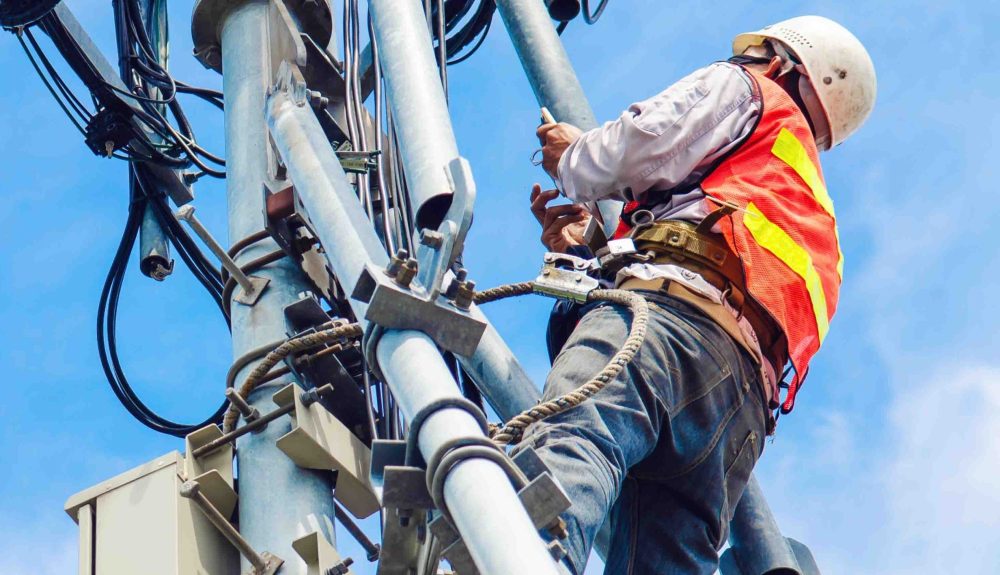
Powerline contractors are not your average construction risk. The combination of energized infrastructure, heavy fleet operations, and high-severity exposure puts this class in a category of its own, and most generalist carriers treat it that way.
If you’re placing powerline accounts, here’s what makes them unique and what to look for in a program built to handle them.
The work is inherently high hazard
Powerline contractors work in live electrical environments, often at height, in all weather conditions. The exposures that follow include:
- Electrocution and arc flash risk for field crews
- Third-party bodily injury from downed lines or equipment contact
- Property damage to energized infrastructure with outsized replacement costs
- Right-of-way work that puts crews near public roadways and residential areas
This is not a class where general liability limits and standard exclusions hold up without specialized underwriting behind them.
Fleets are a core exposure, not a side line
Powerline contractors run heavy, specialized equipment like bucket trucks, digger derricks, cable pullers, and crew transport vehicles often make up the bulk of their insurable value. That means:
- Auto liability is frequently the largest premium line
- Composite rating matters because standard per-unit rating misses the nuance of how these fleets actually operate
- Inland marine coverage for specialized equipment is essential, not optional
Brokers who treat the auto line as a commodity placement often leave their clients underinsured.
GL complexity is real
General liability for this class requires an underwriter who understands utility contractor operations. Key considerations include:
- Subcontractor risk and how downstream work is managed
- Additional insured requirements from utilities and municipalities
- Completed operations exposure, especially on transmission and distribution projects
- Pollution and workmanship endorsements that align with the actual scope of work
What to look for in a program
Not every specialty market is built for powerline. When evaluating programs for this class, prioritize:
- Composite auto rating capability
- Package flexibility (monoline or all lines from one carrier)
- Excess capacity up to $25M
- Demonstrated appetite for transmission and distribution work, not just vegetation management
Ready to submit?
Questions about positioning coverage solutions during contractor growth? Contact your UtilityPro underwriting team.
Find out how UtilityPro provides better coverage by design or submit your accounts online today.
Download now: Emergency action plan checklist for utility contractors