










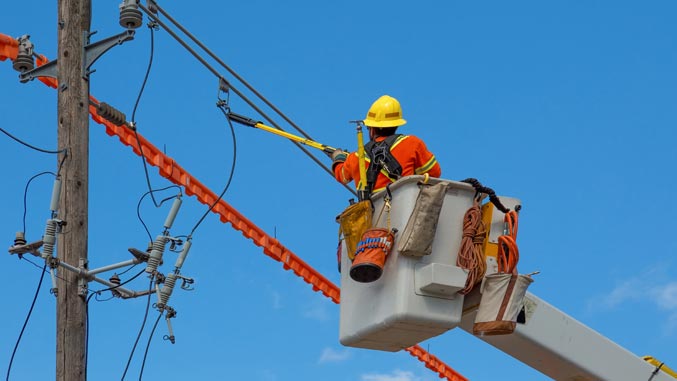
Powerline contractors sub out some of the highest-exposure work on a project: helicopter line stringing, vegetation management, pole setting, directional boring. Each one can create coverage gaps if the sub’s insurance doesn’t match the scope of work.
For brokers placing these accounts, here’s where to focus.
Start with the scope of work
Before reviewing certificates, understand what the subs are actually doing. A vegetation management crew carries a very different risk profile than a crew stringing high-voltage transmission lines. The work dictates the coverage you should expect to see.
Key questions for your client:
- What work do you regularly sub out?
- Are subs performing high-hazard operations (aerial work, energized line contact, heavy equipment near live infrastructure)?
- Do you use the same subs consistently, or does it vary by project?
Check certificate adequacy
A certificate of insurance confirms coverage exists, not that it’s adequate. Review for:
- Limits that match both contract requirements and the exposure level of the work
- Coverage lines across auto, GL, workers’ comp, and excess (smaller subs frequently have gaps)
- Policy status to confirm nothing is expired or lapsed
Verify additional insured and excess alignment
Your client’s contracts should require additional insured status on the sub’s GL and auto policies. Without it, your client may not be protected if a sub causes a loss.
Excess alignment is where gaps show up most often. A sub may carry $1M/$2M GL limits while the contract requires $5M or $10M total. No umbrella or excess policy means an uncovered layer, and on high-hazard powerline work, that’s a real exposure.
Don’t overlook completed operations
Subcontractor risk doesn’t end when the crew leaves the site. Work involving underground utilities, structural pole installations, or long-term infrastructure carries completed operations exposure that needs to be addressed in your client’s sub requirements.
These types of risk are one of the most controllable exposures in powerline construction, but only when they’re actively managed. Brokers who bring this conversation early add real value and help prevent surprises down the line.
One market for your utility contractor accounts
UtilityPro offers auto, GL, property, inland marine, E&O, and excess in a single program built specifically for powerline, water and sewer, and telecom contractors. Monoline or package, we can support your placement.
Ready to submit?
Questions about positioning coverage solutions during contractor growth? Contact your UtilityPro underwriting team.
Find out how UtilityPro provides better coverage by design or submit your accounts online today.
Download now: Emergency action plan checklist for utility contractors