










Summary
For some utility contractors, the normal workday changes quickly when severe weather hits.
Crews may travel hundreds of miles from their usual territory. Vehicles and equipment stay on the road longer. Contractors may take on emergency work for utilities, municipalities or other contractors they do not normally serve.
For brokers, that makes storm-response activity an important part of understanding the account.
UtilityPro by NIP Group is designed around qualifying contractors working on utility infrastructure, including power, communications, water, sewer, gas distribution and related operations.
If emergency response is part of the business, the account story should include more than the contractor’s normal territory.
Does the contractor respond to storms?
Some contractors primarily work within an established geographic area but will deploy crews when utilities need emergency support.
Others may have storm response built into the business model.
Understanding how frequently the contractor responds, where crews travel and how much revenue comes from emergency work can help provide a clearer picture of the operation.
It is also worth asking whether that activity has changed since the last renewal.
A contractor that rarely traveled three years ago may now regularly pursue work outside its home state.
What work are crews performing?
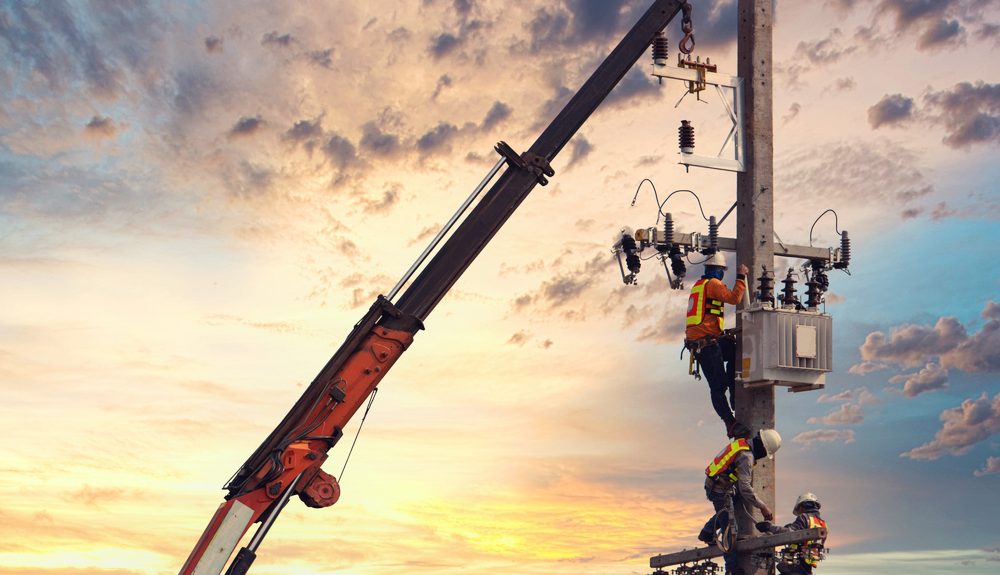
“Storm response” is not a single operation. A power-line contractor restoring damaged distribution infrastructure presents a different exposure than a vegetation-management contractor clearing rights-of-way.
The same applies to communications contractors, underground utility contractors and other specialists.
Brokers should describe the actual work crews perform when deployed.
That may include:
- overhead power-line repair, underground utility work, communications infrastructure, pole work, vegetation management or other utility-specific operations.
The more specific the description, the easier it is to evaluate whether the work aligns with UtilityPro.
Fleet exposure can change quickly
Emergency deployments may also change the auto story.
More drivers may be traveling longer distances. Trucks, trailers and specialized equipment may be moving across state lines. Crews may be operating for extended periods away from their normal base.
That makes the vehicle schedule, driver information, travel radius and auto loss history important pieces of the conversation.
If the contractor has added vehicles or changed how crews deploy, that is worth flagging before renewal.
Ask where the work comes from
Another useful question is:
Who hires the contractor during an emergency?
The answer may be a utility, another contractor, a municipality or another project partner.
Understanding the contractor’s role, project requirements and use of subcontractors can help clarify how the emergency work fits into the broader operation.
It can also surface changes that may not be obvious from the insured’s standard company description.
Streamline your submissions now
The biggest renewal delays come from incomplete submissions. Getting ahead of this saves time on both sides. At minimum, have ready:
- Acord applications (complete and current)
- 5-year loss runs
- Payroll, revenue, and subcontractor cost breakdown
- Description of operations by class
One market for your utility contractor accounts
Have a utility contractor account?
Start with what you know. The UtilityPro team can help talk through the operation and identify what information may be useful next.
UtilityPro offers auto, GL, property, inland marine, E&O, and excess in a single program built specifically for powerline, water and sewer, and telecom contractors. Monoline or package, we can support your placement.
Ready to submit?
Questions about positioning coverage solutions during contractor growth? Contact your UtilityPro underwriting team.
Find out how UtilityPro provides better coverage by design or submit your accounts online today.