









A snow removal business needs five coverages: general liability, commercial auto, inland marine, workers’ compensation, and pollution liability. Most property managers check for them in the fall, when seasonal contracts get signed, and certificates are requested. A gap caught at signing can cost the contract. In this blog, we cover what each coverage protects and how to build the right package.
What Coverage Protects Your Plowing Operations?
Three coverages protect your plowing work, and each one answers a different kind of claim. They form the base of the must-have insurance for your snow removal business.
1. Commercial General Liability
Commercial general liability covers injuries and property damage on the properties you service. Slip-and-fall claims are the biggest exposure, and they can arrive months after the season ends. GL also responds when a plow blade hits something buried under the snow:
- A fence or curb hidden under a drift
- A parked car tucked into a corner of the lot
- Shrubs and landscaping beds along the property edge
Some GL forms exclude snow and ice work, so confirm yours doesn’t.
2. Commercial Auto
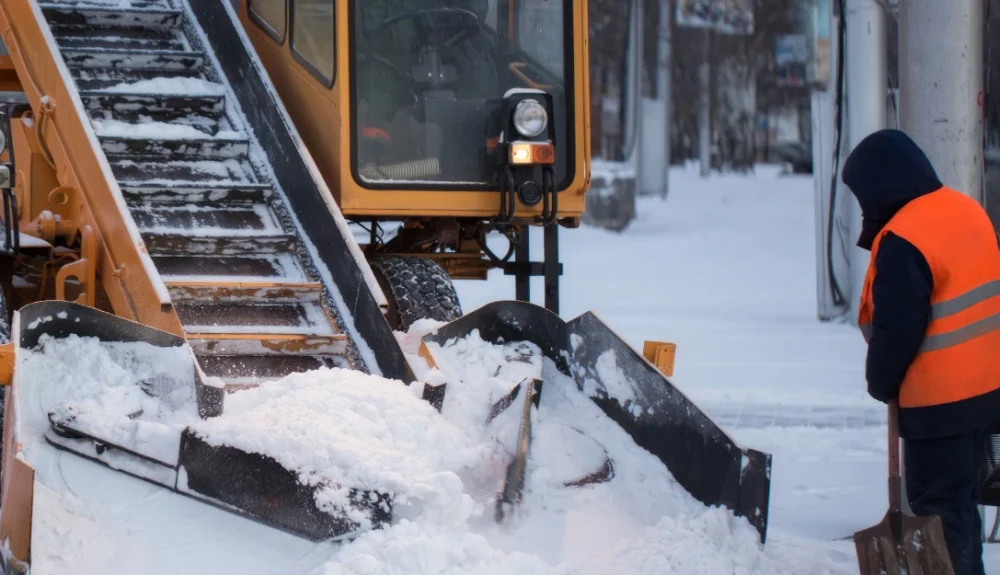
Commercial auto covers your plow trucks when accidents happen on winter roads. Personal auto policies typically exclude business plowing, even when you own the truck. Without commercial auto, damage to other vehicles and injured drivers becomes your bill.
3. Inland Marine
Inland marine covers equipment against theft or damage, in transit and on-site. That includes salt spreaders, snow blowers, plows, and loose gear like shovels. During long storms, gear often sits in truck beds or on a client’s lot overnight. Standard property insurance rarely follows it there.
Must Read: How to Prepare Commercial Snow Removal Contract: Step-by-Step Guide
What Coverage Protects Your Crew and Keeps You Compliant?
Workers’ compensation protects your people, while pollution liability covers environmental damage your work causes. Both belong on your list when you prepare for commercial snow removal operations.
4. Workers’ Compensation
Workers’ compensation pays medical bills and lost wages when an employee gets hurt on the job. Icy walkways and heavy lifting on overnight shifts make winter injuries more likely. Most states require it once you have employees, so add seasonal storm hires before the first snowfall.
5. Pollution Liability
Pollution liability pays for cleanup and third-party damage when your work contaminates soil or water. Most GL policies exclude pollution, so these claims need their own coverage. For a snow removal business, the risk usually comes from:
- Oil or hydraulic fluid leaking from plow equipment onto a client’s lot
- De-icing salt or chemicals washing into drains, ponds, or lawns
Must Read: Snow Hauling Services vs Snow Removal: What Contractors Should Know
How Do You Pick the Right Snow Removal Insurance Package?
Pick coverage for your snow removal business by matching your limits to the equipment you run and the sites you service. A plow truck and a snow blower lead to very different claims, so each setup needs a different mix:
- Heavy truck operations that clear commercial lots carry more auto and liability exposure. They need higher limits, and their premiums reflect that.
- Walk-behind blower crews that clear sidewalks and entryways rely more on workers’ comp and equipment coverage. Premiums for this setup tend to run lower.
Once you know your setup, bundle your coverages under one specialized program. Separate policies from different insurers can leave gaps where one policy ends and the next begins. A program built for your trade closes those gaps and can often offer better rates. Your contract pricing should account for this coverage too, so weigh snow plowing prices vs risk before you bid low.
If your snow removal business also does landscaping work, check that your landscaping business insurance covers your snow removal operations as well. LandPro does, since it lists snow and ice removal among the work it covers. It brings all five coverages above under one program built for landscapers. LandPro’s carrier also holds an A+ (Superior) rating from A.M. Best, which indicates a solid ability to meet its financial obligations, including paying claims.
Ask your broker to sign you up for LandPro or contact us to get started before the first storm.