








Summary
- Poorly chosen or under-maintained commercial arborist equipment is one of the leading contributors to tree care incidents and liability claims.
- Building the right equipment list and following a consistent maintenance schedule is what keeps your crew protected and your records defensible.
- In this guide, we walk through how to choose and maintain the equipment every tree care business depends on daily.
The Tree Care Industry Association tracks fatalities and injuries in tree care more closely than almost any other trade organization in the country. Their data consistently puts tree care among the most hazardous occupations in the United States. Contact with objects and equipment is one of the two leading causes of fatal incidents in the field, alongside falls.
That context matters for every business owner making commercial arborist equipment decisions. What you buy, how well you maintain it, and whether your crew is trained to use it correctly all shape the daily risk your operation carries. Getting this right is one of the most direct ways to protect both the people doing the work and the business behind them.
This guide covers how to build a smart equipment list and the maintenance habits that keep everything running safely and legally.
Building Your Commercial Arborist Equipment List
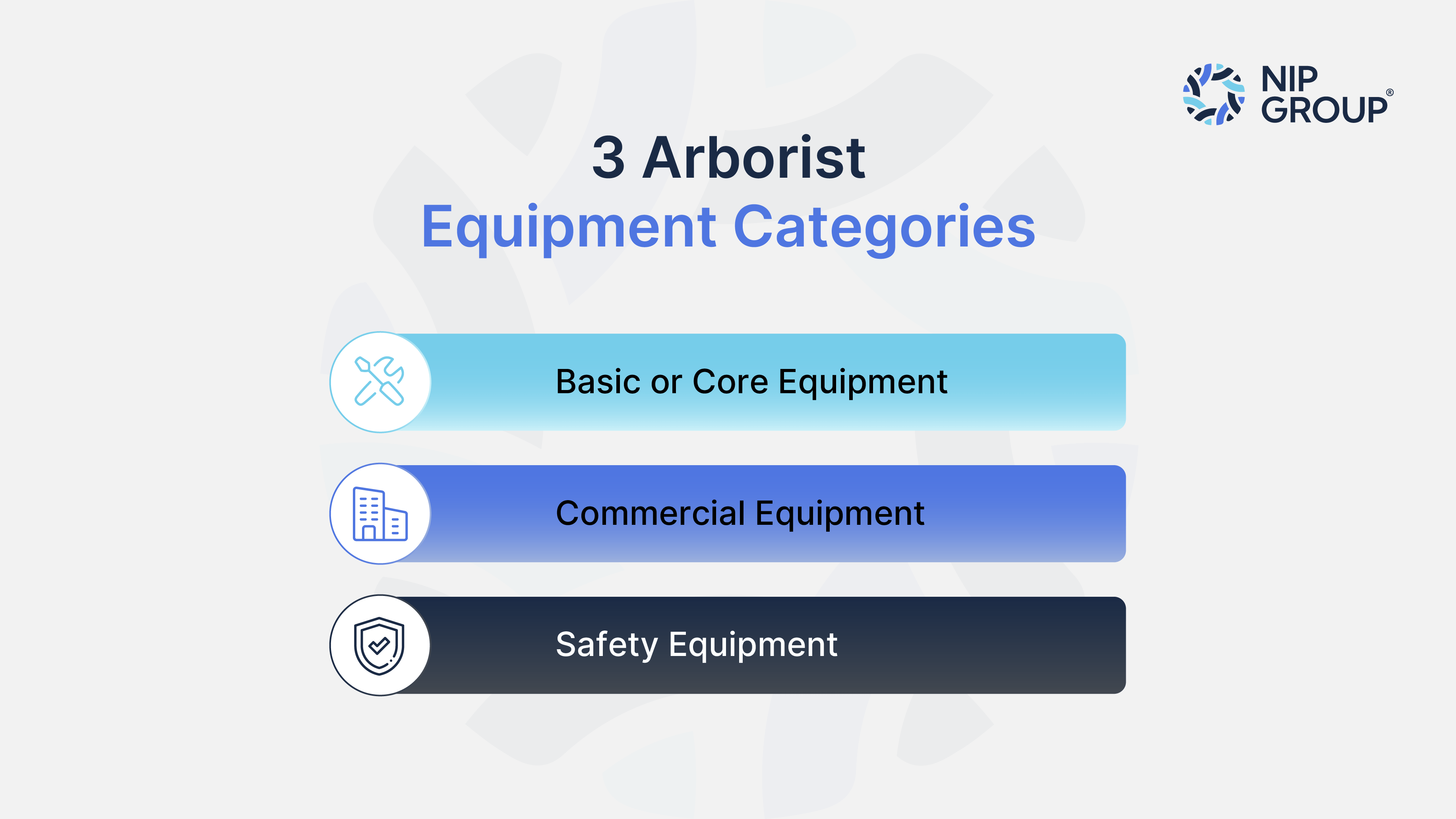
Not all equipment decisions are the same. Some gear covers the majority of your jobs. Some is specialized for specific removal scenarios. And some is non-negotiable from a safety and compliance standpoint. Here is how to think through each category.
Core Equipment Every Tree Service Needs
A practical arborist equipment list starts with chainsaws in multiple bar lengths, pole saws for elevated work without climbing, hand saws, and loppers for smaller-diameter cuts. On the ground side, a wood chipper matched to the largest diameter wood your crew processes regularly is one of the most important investments on any tree service equipment list. Choose capacity based on the work you actually take on, not the largest job you might someday get.
Commercial Tree Removal Equipment for Larger Work
Commercial tree removal equipment goes beyond basic arborist gear. Stump grinders, walk-behind for residential sites and tracked units for larger removals, sit in this category. So do bucket trucks for aerial access and crane rigs for complex extractions in tight spaces.
Tree trimming heavy equipment like aerial lifts comes with an additional compliance layer. OSHA’s Regional Emphasis Program for tree care, which has been active since November 2023 and runs through 2028, specifically addresses crane use and aerial lift operations. Operator certification is required, and documentation of that certification belongs in your records before any crew member operates this equipment on a job site.
Arborist Safety Equipment
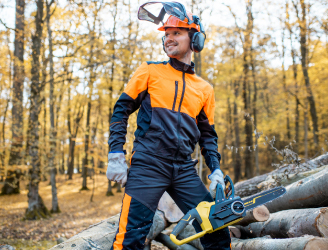
Arborist safety gear belongs at the top of every purchase list. Helmets with integrated face shields and hearing protection, chainsaw-rated chaps, climbing harnesses that meet ANSI Z133 standards, and rigging equipment including ropes, carabiners, and pulleys are all required for compliant operations. OSHA’s dedicated tree care safety page identifies fall protection and PPE requirements for work at height near energized lines. These are not optional based on job size or timeline pressure.
Maintenance Habits That Keep Equipment Working and Crews Safe
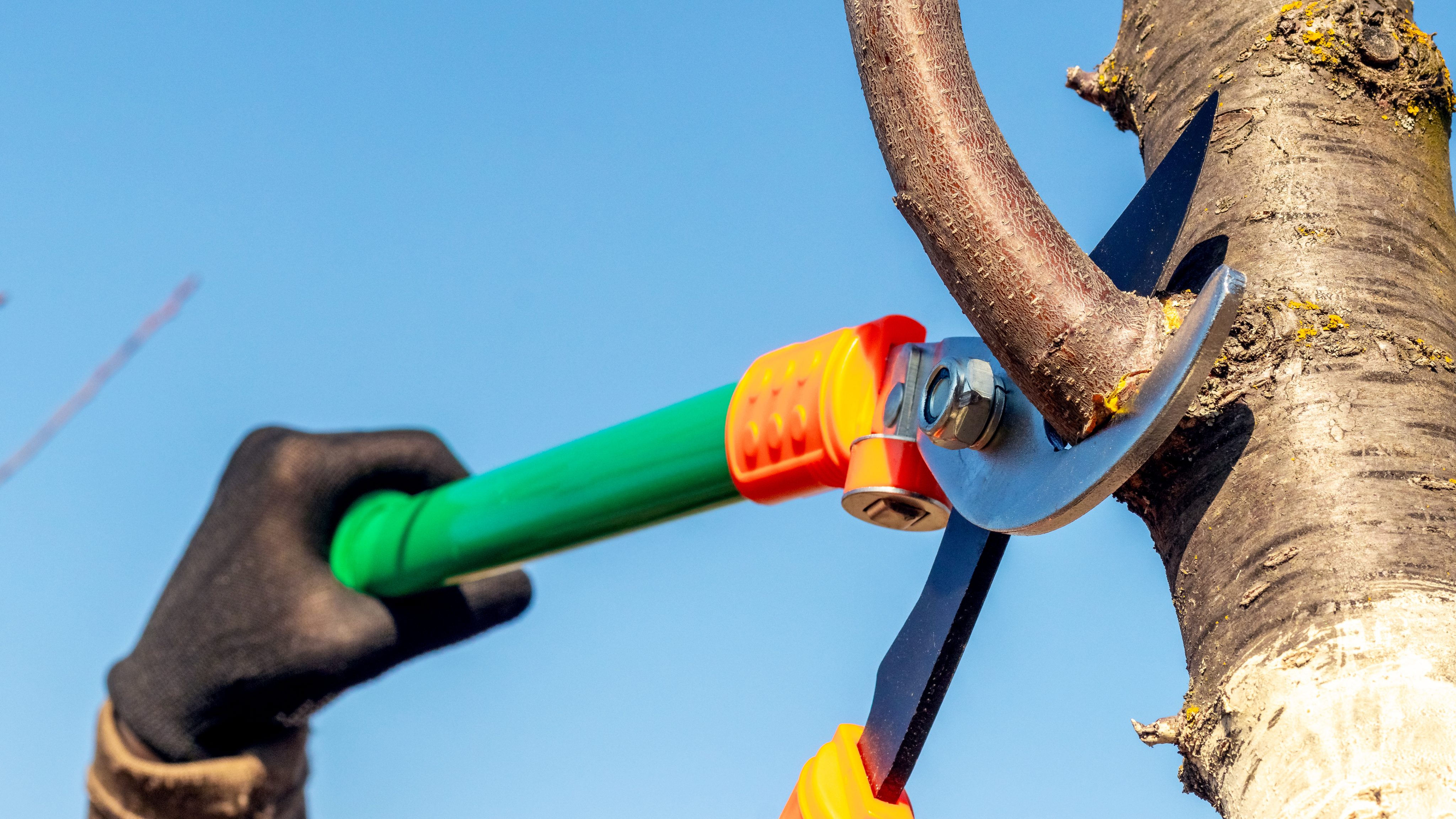
Commercial arborist equipment that is not maintained regularly does not just underperform. It creates hazards. Chainsaw kickback incidents, rigging failures, and chipper feed accidents all have documented connections to equipment that was overdue for inspection or repair. ANSI Z133, the arboricultural operations safety standard, requires that equipment be inspected before each use and maintained according to manufacturer specifications.
Here are the maintenance checkpoints that matter most by equipment type:
- Chainsaws: Check chain tension, sharpness, and bar oil before every use. Inspect the chain brake for proper function at the start of each workday.
- Chippers: Inspect feed rollers, blades, and drum engagement before each use. A damaged or worn feed roller has been cited in multiple OSHA fatality investigations as a contributing factor in pulled-in incidents. This check is not optional.
- Climbing gear: Inspect ropes, harnesses, and carabiners for cuts, UV degradation, and signs of wear before every climb. ANSI standards require retirement of climbing lines after any shock load event, regardless of visible condition.
- Aerial lifts and bucket trucks: Run daily pre-operational checks per manufacturer specifications. Log every inspection in writing, with the date and the name of who performed the check.
That last point, written documentation, matters beyond compliance. Maintenance logs become part of your record if any piece of commercial arborist equipment is involved in a claim or an OSHA inspection.
Must read: How to Evaluate Insurance Needs for a Tree Trimming Service
How Equipment Condition Connects to Your Business Risk
Here is something that does not always get discussed in equipment conversations. The condition and maintenance history of your commercial arborist equipment is directly relevant to how liability gets sorted out when something goes wrong.
If a chainsaw causes an injury and service records show it had not been inspected in weeks, that absence of documentation becomes part of the liability story. If rigging equipment fails and there is no log of the last ANSI-compliant inspection, the question of negligence has a default answer. Equipment that was properly selected, regularly maintained, and documented creates a defensible position. Equipment that was not does the opposite.
The same logic applies at the insurance level. Arborist safety practices and documented maintenance records affect how a workers’ compensation claim is evaluated and how your coverage gets priced at renewal. Tree care businesses that treat equipment maintenance as a standard business practice, not just a safety tip, tend to face fewer disputed claims and carry better terms on their coverage.
For any commercial arborist equipment operation, the insurance program covering that work needs to reflect the full scope of what you do, aerial work, rigging, crane operations, and the completed operations liability that follows every removal job you close out.
TreePro Covers the Full Risk Profile of Tree Care Work
Choosing the right commercial arborist equipment and keeping it in top condition reduces incidents. It does not eliminate your exposure. A well-run, well-documented operation can still face a claim from a third-party injury, a post-job property dispute, or a workmanship allegation tied to a tree removal.
TreePro is built specifically for arborists and tree care businesses. It covers:
- General liability
- Arborist errors and omissions
- Workers’ compensation is structured for high-hazard tree care work
- Crane operations
- Limited jobsite pollution liability
- Excess capacity up to $25 million
Wildfire liability protection is available nationwide. The carrier behind TreePro holds an A+ (Superior) rating from A.M. Best, meaning the financial strength to follow through when a real claim arrives. The program is backed by more than 35 years of tree care insurance expertise.
Talk to your broker about TreePro or contact us directly. Make sure your coverage reflects what your commercial arborist equipment business is actually doing in the field.
FAQs
What is a commercial arborist?
A commercial arborist is a trained tree care professional who provides services like pruning, removal, health assessments, and hazard evaluations for residential, commercial, and municipal clients. Commercial arborists typically operate as part of a business using commercial arborist equipment and are expected to follow industry standards set by organizations like the International Society of Arboriculture and TCIA.
What tools do professional arborists use?
Professional arborists work with a range of tools across their arborist equipment list, including:
- Chainsaws in multiple sizes for cutting and removal work
- Pole saws and hand saws for pruning at height
- Wood chippers for processing debris on site
- Climbing harnesses, ropes, and rigging hardware that meet ANSI Z133 standards
- Stump grinders for site cleanup after removals
- Aerial lifts and bucket trucks for elevated access on larger jobs
The right combination depends on the type of work the business takes on and the size of the crew running each job.
How profitable is a tree cutting business?
Profitability in tree care varies widely depending on location, job mix, and overhead. A well-run operation with the right commercial tree removal equipment, consistent contracts, and controlled labor costs can generate strong margins. The challenge is that equipment, insurance, and workers’ compensation are all significant expenses in this industry, and pricing needs to reflect those costs fully to stay profitable.
Which insurance is best suited for arborists?
The best insurance for arborists is one built specifically for tree care work, covering aerial operations, rigging and crane use, contractors’ pollution liability, arborist errors and omissions, and workers’ compensation for high-hazard climbing and removal work. TreePro covers all of this in a single program, backed by more than 35 years of tree care insurance expertise.

