










“Brokers often mistake erosion control for simple landscaping services, but it actually sits at the intersection of engineering, construction, and landscaping. Without specialized coverage, a single rainstorm or pollution liability claim can put a company out of business.”
– Michael Finati, LandPro Program Manager
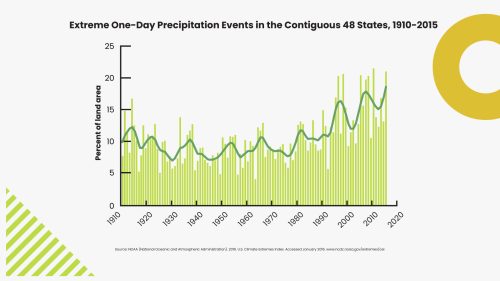
Many landscaping insurance brokers still associate landscaping work with basic mowing and maintenance, even as the industry continues to evolve. With increasing demand for more specialized work such as erosion control services — especially amid climate change and more severe weather events — every broker should recognize the shifts the industry continues to experience. To separate yourself from the competition and better serve your clients, it’s important to understand how landscapers control erosion. In doing so, you can help prospects and clients recognize the risks and coverage gaps associated with more advanced work, in addition to providing specialized risk management solutions to minimize landscaping liability exposure and other perils.
How Do Landscapers Control Erosion?
Landscapers typically work with engineers and contractors to control erosion and sediment through soil stabilization and water diversion. Common erosion control methods include planting vegetation, grading, hardscaping, installing drainage systems, utilizing geotextile fabrics, and more. While standard landscaping focuses on low-risk activities like mowing, mulching, and weeding, earth-moving operations increase landscaping liability exposure and come with higher stakes. As a result, erosion control services combine some elements of construction, engineering, and landscaping, requiring a coordinated effort between landscapers and other contractors. The complexity of this work creates a new set of risks, including landscaping runoff liability, workmanship errors, and damage to third-party property.
Erosion Control Risks and Coverage Gaps
Standard general landscaping policies may not insure against certain erosion control risks, creating coverage gaps that can expose both landscaping businesses and their brokers. These policies may cover some third-party damage, but often exclude subsidence claims and coverage for pollution liability or runoff liability. These claims can add up quickly, potentially amounting to hundreds of thousands of dollars or more in cleanup costs. Subsidence and pollution liability risks are especially high in situations when public waterways are polluted, or when faulty workmanship results in chemical runoff or drainage issues.
To address some of these coverage gaps, landscapers should consider more specialized coverages under environmental contractors insurance. This might include endorsements for pollution liability, herbicide and pesticide drift or overspraying, and third-party cleanup costs for sediment and silt runoff.
Key Regulatory Trends for Landscapers
As water quality standards, stormwater regulations, and worker safety laws continue to evolve, brokers and their landscaping clients should stay ahead of these regulations to avoid costly claims and noncompliance risks. Though laws and standards are always subject to change, key regulations to look out for include:
- The EPA Clean Water Act: The Clean Water Act mandates a construction general permit for land-disturbing projects affecting one acre or more.
- National Pollutant Discharge Elimination System (NPDES) permitting requirements: A key part of the Clean Water Act, the NPDES permit program enforces stormwater controls on construction sites and requires a Stormwater Pollution Prevention Plan.
- Local regulations: In addition to federal laws under the EPA, states and municipalities may have additional erosion control laws and requirements. For example, the NJ Soil Erosion and Sediment Control Act adds an additional regulatory layer that applies to any erosion control project on construction activities covering more than 5,000 square feet.
- Worker safety standards under OSHA: Though the landscaping industry doesn’t have specific standards under OSHA, landscaping businesses should pay close attention to 29 CFR 1910 and 29 CFR 1926.
Federal and local regulations are a starting point for landscaping businesses. To best address landscaper risk management, businesses should also incorporate risk control tools to educate employees, improve worker safety, and minimize potential liability claims.
Hypothetical Case Study: Silt Fencing Failure Costs Landscaper More Than $180,000
A heavy storm overwhelmed a landscaper’s silt fences during a grading project, washing topsoil into a local waterway. The state environmental agency held the landscaper responsible for $180,000 in mandatory cleanup and remediation costs. Since the landscaper only had a commercial general liability policy, their insurer denied the claim. Without any erosion control insurance coverages, the landscaper was on the hook for the entire $180,000. In addition, the company was forced to cover the cleanup costs and replacement of the silt fence for the client.
Better Coverage by Design: NIP Group Landscaping Insurance
LandPro by NIP Group is designed specifically for all-seasons landscapers who engage in advanced work, including erosion control services, snow and ice removal, and herbicide application. While standard commercial general liability leaves many costly coverage gaps, LandPro provides more comprehensive landscaping coverage for year-round operations. And with specialized coverages such as pollution liability and workmanship error endorsements, brokers can provide clients with soil movement risk mitigation solutions that help them prepare for the demands of the green industry’s toughest exposures.
Conclusion: Aligning Risk Management to Meet Modern Landscaping Needs
Landscaping work today encompasses far more than simple maintenance. Similarly, growing your landscaping portfolio is about more than just providing quotes. As the industry shifts, brokers must look past basic perils and consider the expanding role of landscapers. By recognizing erosion control risks and other common coverage gaps, you can transition from a policy seller to a trusted advisor. And by partnering with NIP Group to offer specialized landscaping insurance, you can provide both the guidance and risk management solutions your prospects and clients need to protect their businesses.
Think your clients deserve better landscaping coverage by design? Submit your landscaping accounts online today.
LandPro Risk Assessment & Recommendation Checklist