








It’s difficult to understate the importance of tree care.
Trees are the protectors and sustainers of a healthy environment, they’re essential parts of urban ecosystems and put more oxygen back into the air. Really, what can’t trees do?
Well, one thing they can’t do is care for themselves (for the most part). Trees have their own natural self-preservation and maintenance systems but they can’t help themselves when they start to grow – or when they get older. Tree care professionals are some of the most trusted and skilled laborers, and as we head toward a sustainable future with rapidly-growing population centers, this work is even more in demand.
Nature is unforgiving and also unpredictable, as they say. Regardless of how skilled and trained your workers may be, it’s difficult to plan for the unexpected.
The state of the tree care industry in 2024
One encouraging trend has been the increased awareness of sustainability, and in particular, the important role that trees play in maintaining a healthy environment. Two things are happening at the same time, in fact: urban centers are rapidly expanding, leading to a heightened demand for residential (and commercial) builds.
Hand-in-hand with that growth has been an emphasis on the environmental benefits of trees.
Whether it’s a local government, a developer or another organization, we’ve seen all parties involved in construction and urban planning display intent when it comes to tree care. Sustainable or eco-friendly implementations include organic fertilizers (free of pesticides), resource conservation, and more strategic tree planting methods – and more are coming.
Despite these encouraging advancements and the attention they’ve received, tree care professionals (and their employers) must also remain focused on safety.
With important work comes risk, and tree care is no different
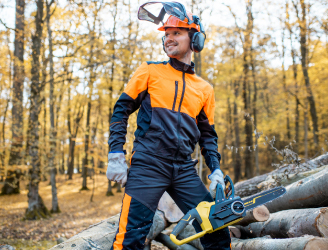
Without sounding alarmist – and tree care professionals are inherently aware of their on-the-job risks – nearly every aspect of tree care can be dangerous. From the equipment used to the natural elements, workers must always be aware of their surroundings and work together to ensure safety.
There are an estimated 27,000 injuries to tree care workers every year. Here are some of the most common risks in tree care as it pertains to hazards and natural disasters, and how to navigate them.
Inclement weather
Bad weather is perhaps the most common and expected hazard when working in tree care. Much of planning for tree care involves looking at forecasts, the work site, and if there are power lines or utilities infrastructure close by. High winds, heavy rain and lightning are major risks that can be mitigated by planning and having processes in place for when weather becomes severe.
Natural disasters
In areas that are prone to major disasters like tornadoes and hurricanes, these events can pose some of the most significant risks and challenges to tree care workers. Trees may be entangled with downed power lines, have fallen on to homes or businesses, etc. One way to mitigate risk in these situations is to use drone technology for a detailed risk assessment and site survey that will help determine the safest way to remove trees.
Heavy machinery and equipment
Operator rules and regulations should be reviewed thoroughly with workers before they’re licensed and/or permitted to use machinery. In 2022 alone, there were 738 machinery and equipment related deaths on the job site and more than 450,000 days away from work (DAFW) cases reported. Ensuring workers are properly trained and permitted to use machinery – and annually re-training them – can help reduce those risks.
Occupational or on-site injuries
In 2023, tree care workers represented 0.05% of the U.S. workforce but accounted for 1.4% work-related deaths. Non-fatal injuries were estimated at 239 per 10,000 workers. Many of these incidents were slips and falls, overexertion or other accidents. Training workers, educating them on risks and how to be prepared, and also providing them on-site support can keep them safer. In no circumstances should a tree care worker operate alone.
Hazardous chemicals and substances
If workers are going to be in an environment where chemicals or other hazardous substances are present, they should be educated in preventive measures. Personal protective equipment (PPE) should be used at all times in addition to safety equipment they have to perform tree care work.
Why adequate coverage is critical for your tree care clients
As we said before, it’s difficult – if not impossible – to discern when risks will turn into real problems. The nature of tree care work is critical to our neighborhoods, cities and environment, but it’s also a potentially dangerous line of work as well.
When speaking to tree care clients, either current or prospective, it’s key to approach the conversation with an understanding that they don’t know everything (especially about insurance). They have busy work schedules that are constantly changing, and it may not be a priority for them to know the ins and outs of different plans or coverages.
As a broker, you can educate them on the options available and which are a good fit. TreePro, a comprehensive insurance product from NIP Group, backs your clients with best-in-class coverage that’s tailored to their individual needs and requirements.
Insurance might cause headaches for some, but with TreePro, it provides peace of mind and confidence that your clients can simply focus on the task at hand.
How to implement best practices for risk management and prevention
With TreePro’s extensive industry knowledge and tailored insurance expertise, you can support clients and educate them on all risks, even those that aren’t as apparent as others. When they need help from their insurance carrier, TreePro has their back – and they’re supported by a team of experts who are intimately familiar with the industry.
Educate clients on risk exposures in tree care
When consulting with clients, it’s a sound practice to go into detail about each risk exposure and how the insurance program can help. TreePro’s insurance offering was developed specifically with tree care workers in mind, and can be customized to include coverages that may occur in certain areas (storm risk, for example, is pertinent to clients in weather-prone states).
Share real-world experiences that can frame new approaches
When accidents happen, real people are affected. Livelihoods and businesses, families and friends…real incidents impact real lives and it’s important for clients and their employees to know that.
Share a full suite of coverage options – even those they don’t know they need
Brokers and clients have access to TreePro’s comprehensive suite of coverages, which are also listed here. TreePro offers excess capacity to $25 million along with specialized wildfire protection (including California clients). Rated “A+” by A.M. Best, your clients benefit from the strength of a trusted program and workers have security they need to keep growing their businesses.
See gaps or needs in your clients’ coverage? TreePro can help
With the support of TreePro, your arborist and tree care clients get:
- More than 35 years of industry-specific experience
- Tailored risk management for every client
- Educational resources for training, safety and more
- Claims management that’s hands-on and user-friendly
Want to learn more? Get in touch with a member of our team today and let’s see if TreePro is a fit for your tree care clients.