









Signed into law by President Joe Biden in 2021, the Bipartisan Infrastructure Deal was a $1.2 trillion effort geared toward revolutionizing American infrastructure for the first time in generations. Included in the bill is an estimation that 15 million jobs would be created in the first 10 years of the bill’s existence, with focus areas in transportation, broadband internet development, power grids, water and more.
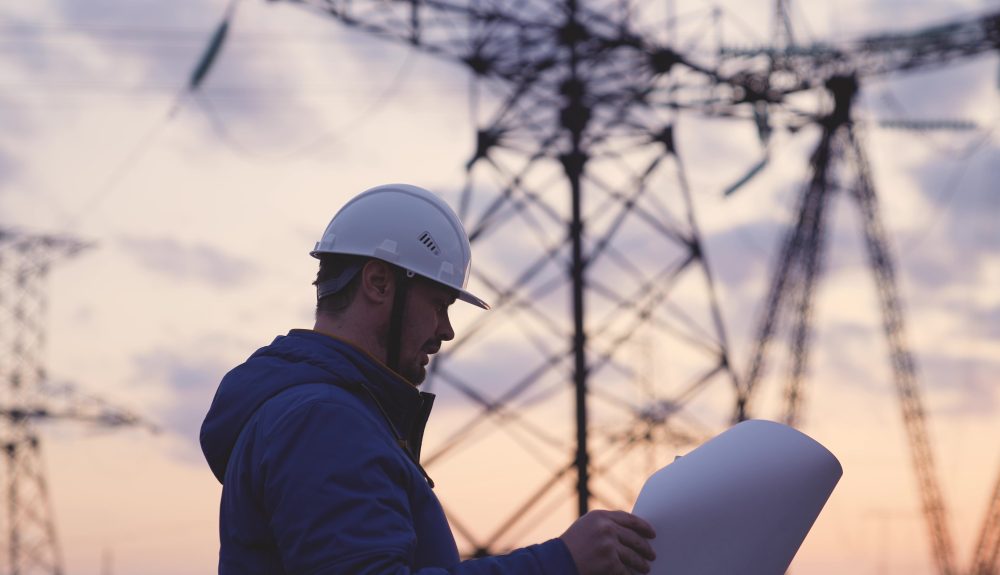
One of the most important roles in this new era of infrastructure growth is the utility contractor, whose field is projected to grow substantially under the new legislation. These jobs, which include utility line clearance, powerline transmission, construction maintenance for communication lines, water, and sewer among others, are critical to expanding and improving the various elements of infrastructure the bill was designed for.
Utility worker protection is a necessity. What does coverage look like for some of the most critical yet under-covered professions? While our infrastructure is set to develop at a rate not seen in many of our lifetimes, the jobs powering this growth are no less dangerous than before.
Understand the Three Classifications of Utility Line Clearance Workers
Trees, as we know, are everywhere – and they don’t tend to care if power lines are in their way.
Trees that are within 10 feet of energized power lines need to be trimmed, pruned, regularly maintained, or removed to ensure safety of citizens and efficient operation of the power lines themselves. The Occupational Safety and Health Administration (OSHA) outlines more in 1910.269(r), which lists “additional requirements for line-clearance tree trimming and for equipment used in this type of work.”
For a safe workplace and work environment, these guidelines are essential and help promote lone workers’ safety on the job.
What are the three classifications of utility line clearance workers, according to OSHA?
Electrically unqualified employees
Utility line workers who are not 1910.269 qualified must always remain at least 10 feet away from overhead power lines.
269 qualified employees
Utility line clearance workers who are 1910.269 qualified use their 296-specific skills (and other approved tree-cutting or trimming techniques) to safely trim trees that are intruding on energized power lines. Virtually every element of 1910.269 applies to utility line clearance work.
Line clearance tree trimmers
These workers have undergone specific training that permits them to work within 10 feet of energized power lines. While on the job, they must determine voltage of potentially hazardous power lines, keep their bodies at a safe and approved distance from the lines, and use approved and insulated equipment. Additionally, they are not allowed to work in adverse or dangerous weather conditions like thunder and lightning, high winds, and ice.
Putting an Emphasis on Lone Worker Safety
These aren’t easy jobs. They are demanding and dangerous jobs at times, but they’re also critical to ensuring the safety and operational efficiency of our infrastructure. Oftentimes, utility line clearance workers are flying solo, which earns them the distinction of “lone workers.”
With no other colleagues or support staff around, making sure these workers are safe and protected is of the utmost importance. Not only might they be working alone, but they also are doing so in locations that can be remote or isolated. Because of this, there is an increased awareness of – and emphasis on – utility worker injury coverage.
How Do We Protect Lone Workers in the Utility Line Clearance Industry?
This is, by all accounts, a complex question – but one that we’re getting more answers to as time goes on. Yes, lone workers in utility line clearance pass rigorous safety training and have the appropriate certifications for the work, but there are bound to be challenges along the way.
We can’t predict the weather. We can’t predict emergencies. And we can’t possibly know when something might go wrong – but we can be ready.
In addition, the rapidly growing infrastructure business means there will be an increased demand for these types of workers. It may not be possible to hire, train, and certify at the rate growth may occur, which means current lone workers may see a larger workload.
Lone worker risk assessment is multi-faceted; their work health and safety depend on the proper training and certification, the right protective equipment to safeguard them in adverse conditions, and finally, the key piece: comprehensive and experienced insurance coverage that’s there for them when they need it.
UtilityPro is a New National Insurance Program for Utility Contractors
Utility line clearance professionals, particularly lone workers, often operate in environments with a potential for risk around every corner (both above and below the ground).
Combined with the industry’s rigorous safety and protection standards, it’s a major reason why these workers require unique, specialized insurance coverage to protect them and their employer.
Utility Pro, powered by NIP Group, developed a comprehensive insurance program based on our understanding of the challenges these workers face.
An insurance partner that possesses innate knowledge of the job – and who knows how to provide the necessary support and resources when problems arise – is key to securing lone workers’ safety and success.
The benefits of coverage with UtilityPro
UtilityPro offers specialized insurance coverage for utility line clearance workers, power line transmission workers, communications line maintenance, water, gas, sewer and more.
From underwriting to claims and risk management (and more in between), our team has the unique experience required to support businesses through challenging times and keep them contributing to the nation’s infrastructure development in a sustainable and resilient manner.
Insurance Risks Facing Utility Line Workers
We closely examine risks such as power line transmission and distribution, communication line construction and maintenance, water/sewer/gas line work, and more.
Lines of Business Covered
UtilityPro offers insurance for auto liability, property, inland marine, umbrella liability, crime protection, workers’ compensation and more.
Utility contractors are integral to the sustainable and resilient development of our nation’s infrastructure. The team at UtilityPro leverages its expertise in construction claims handling, risk management, and underwriting to provide the highest level of service to an industry that has a profound impact on countless lives.
With new and dynamic challenges facing the utility industry, NIP group recently announced a major enhancement to its UtilityPro insurance program. UtilityPro now includes up to $25 million in coverage for general and wildfire liabilities through a new partnership with an insurer rated A+ XV by AM Best.
“It’s crucial to stay agile in response to industry trends. By expanding our underwriting capabilities and forging new ties with a top-tier global insurer, we’re positioning our brokers at the forefront, armed with the tools to shield their clients from unforeseen risks,” said Thomas Doherty, SVP of Specialty Programs at NIP Group.
With 30-plus years of industry experience, UtilityPro’s insurance program offers customized risk control, more pricing flexibility, enhanced stock coverages, and better claims service than our competitors.