










“When extreme cold sets in, LPG distributors face a new set of risks that can complicate several parts of their operation and increase their exposure to costly claims. Propane distributors insurance offers both the core insurance coverages like liability and commercial auto, along with specialized endorsements that cover propane property, misdelivery, and failure to supply.”
– Michael Finati, PropanePro Program Manager
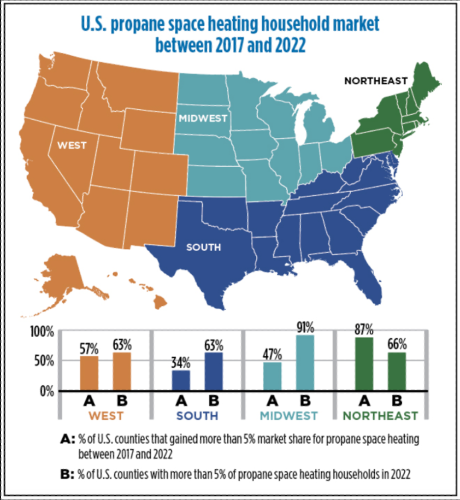
Source: https://www.lpgasmagazine.com/propane-market-share-trends-in-residential-space-heating/
Though liquefied petroleum gas (LPG) only represents around 8% of U.S. energy use, it’s one of the best options for portable and off-the-grid heating. LPG’s versatility and convenience are part of the reason forecasts show a steady growth rate of 7.3% annually through 2031, driving revenues up to more than $280 billion. Like all other energy sources, petroleum comes with certain limitations and risks. As the industry and demand for LPG grows, propane distributors will need to protect themselves from the risks associated with this fuel. Brokers familiar with propane business insurance risks will be uniquely positioned to provide the right recommendations and guidance, offering an opportunity to build trust, help prospects and clients, and grow their portfolios.
Addressing Increased Delivery Risks During Peak Heating Season
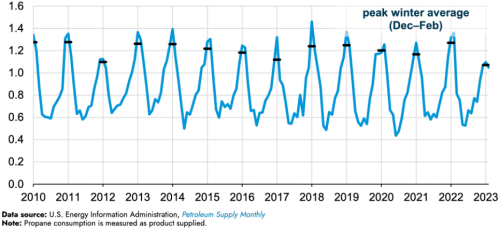
When extreme cold sets in, LPG distributors must contend with winter propane delivery risks that can complicate several parts of their operation. As propane demand increases, distributors have to navigate the logistical challenges of additional deliveries. Harsh winter weather can also translate to supply constraints, along with delivery challenges due to road closures and poor driving conditions. These obstacles can increase distributors’ exposure to claims, including general liability and auto liability, workers’ compensation, and inland marine.
Advanced Propane Delivery Risk Management Techniques
1) Use technology
The growth and availability of specialized tech tools is one of the top ways to mitigate propane distribution risks during winter. From managing inventory to optimizing delivery routes and tracking drivers, there are countless apps and software tools to help distributors increase safety and efficiency.
2) Create written checklists for each delivery
Every driver should be equipped with a written checklist that’s used for each delivery. These checklists can help keep drivers and customers safe, prevent mistakes, and limit distributor liability by following a consistent process and documenting every step of the delivery.
3) Diversify suppliers
Though propane has a low freezing point, cold weather can decrease propane pressure in tanks, which can cause appliances to malfunction and leading to unpredictable spikes in demand. Cold weather can also disrupt propane production and delivery to distributors, which is why LPG distributors should consider diversifying their suppliers.
4) Train employees regularly
Employee training is essential throughout all four seasons and can help reduce errors and limit claims against LPG distributors. Training employees on winter-specific hazards can help prepare them for inclement weather, improve efficiencies, and promote safer workplace practices.
5) Conduct background checks on all employees
Conducting background checks on all employees can help businesses improve safety and reduce auto liability for propane delivery, as well as other risks. Background checks can inform employers about bad driving records and any history of theft, both of which pose serious risks to an employer. Reckless driving or crimes against customers can result in negligent hiring suits against the employer, with the average settlement costing around $1 million. Worse, these suits are notoriously difficult to fight, with 80% of cases ending in an employer loss in court or a settlement.
6) Stay up to date with federal, state, and local guidelines
Government standards aren’t just a requirement — they can help reduce risks to LPG distributors, employees, and customers. Since these standards are subject to change at any time, distributors should always stay up to date on current best practices and revised guidelines.
7) Create an emergency plan
An emergency plan addresses how the company and its employees should respond in the event of a leak, spill, fire, vehicle accident, snowstorm, cyberattack, or any other serious incident. These plans should address the immediate response, how to communicate the incident, minimize damage, documentation procedures, and a contingency plan to keep the business up and running.
8) Maintain specialty insurance for propane distributors
Unlike traditional commercial insurance policies, propane distribution insurance addresses the full scope of risks associated with this line of work. Specialty insurance tailored to the risks of LPG distributors offers core coverages like general liability and workers’ comp, in addition to specialized coverages addressing risks such as broadened pollution liability, misdelivery, and failure to supply coverage.
9) Regularly review coverages with an experienced broker
Heating season insurance coverage can introduce another layer of complexity to an existing operation. As such, LPG distributor should understand what’s covered and what isn’t, and how to better manage the seasonal risks in the propane business.
Real-Life Case Study
In December 2010, a propane delivery employee was killed by a truck as it rolled down an icy hill at a residence. Despite using the air brakes and chocks in accordance with company policy, the truck slid on the snow and ice, striking the garage and crushing the employee between the truck’s cab and door. While the homeowner stated he cleared a path for the delivery truck beside the driveway, this path was not used. During the incident, the delivery truck overfilled the site tank; fortunately, the site tank was equipped with a safety device that sent the extra propane back to the truck tank, preventing a potential leak and explosion. This accident not only demonstrates the risks of LPG distribution and the importance of safety training, but also the critical need for comprehensive propane distribution insurance.
Propane Distributors Winter Safety Checklist
- Conduct vehicle and delivery system safety checks (pre- and post-trip, monthly, and annually).
- Winterize all equipment before the cold season starts.
- Check vehicle fluids and ensure all moving parts are well-lubricated.
- Clean vehicles weekly to prevent corrosion.
- Check the weather to ensure safe driving conditions and use real-time vehicle monitoring to improve safety and efficiency.
- Provide workers with any necessary personal protective equipment (PPE), such as insulated gloves or non-slip boots, and any emergency supplies.
- Refresh employees on winter safety practices.
- Set delivery expectations with customers and encourage them to plan accordingly by ordering early. Remind them that in the wintertime tank levels should never fall below 20% — 30% full.
- Provide clear instructions for delivery customers to ensure there’s a clear path to the tank, adequate ventilation, and that the customer is present to sign for the order.
- Create an emergency procedures plan and train all employees on what to do in the event of an emergency.
Conclusion
LPG distributors face serious risks in the course of their work, which is why partnering with a knowledgeable broker that offers specialty propane coverage is so important. When your clients need insurance that’s designed to support LPG distributors through all four seasons, trust PropanePro to fuel their peace of mind.
Visit the PropanePro web page today to submit your accounts or speak with an expert.