






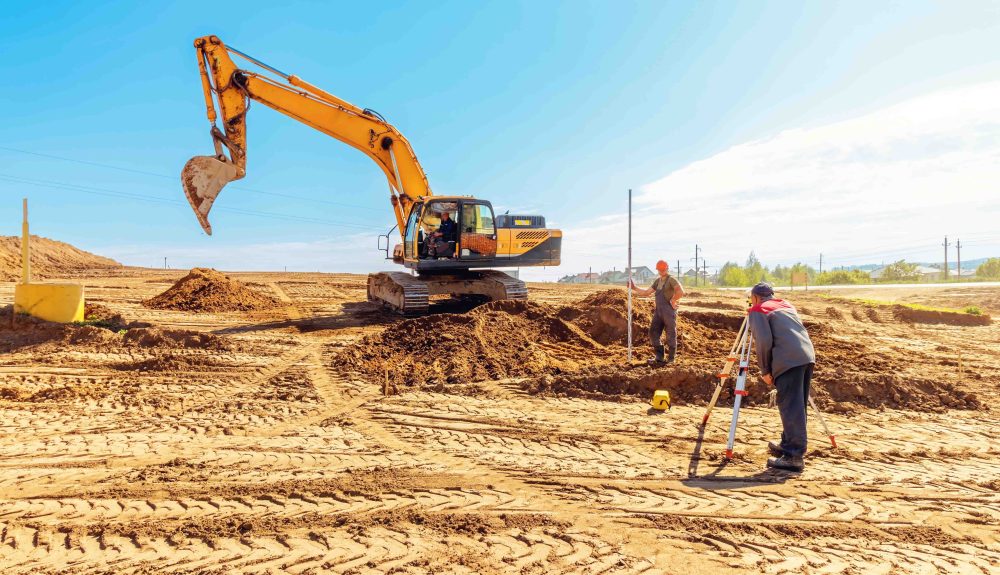
Perhaps no classification of workers spends more time outside than those in construction. It’s a demanding job, and due to the nature of construction projects and their scheduling, contractors are primarily working outdoors during the hottest months of the year.
And because of factors such as climate change, global temperatures continue to rise. Every year, major agencies report “the hottest month on record,” and humidity is causing heat indexes to soar into the triple digits across many regions of the United States.
If you’re a broker who works with clients in the construction sector, this blog is for you — it’s a broker guide to heat safety. We’re going to cover potential warning signs, hazards, and how to implement summer workplace safety into your clients’ operations. Also, we will discuss how to acquire tailored heat-related illness insurance.
Quality insurance for outdoor workers, particularly in construction, isn’t a luxury. It’s a necessity, and this blog will help brokers better understand what coverages are needed and which questions they should be asking.
Know the dangers of heat exposure in construction
The number of heat-related injuries and illnesses continues to be high.
According to the United States Bureau of Labor Statistics, “479 workers in the U.S. died from exposure to environmental heat from 2011-2022, an average of 40 fatalities per year in that time period. Additionally, there were 33,890 estimated work-related heat injuries and illnesses that resulted in days away from work from 2011-2020, an average of 3,389 per year in that time period.”
BLS also believes this data is underreported, meaning there are likely more incidents than are officially recorded. That’s due in large part to the fact that, fortunately, many incidents stemming from dehydration do not require medical attention.
Construction clients are often working on tight deadlines, strict budgets, and answering to multiple stakeholders across the entire project spectrum. It’s an unfortunate reality that efficiency sometimes takes precedence, and proper safety often doesn’t receive the attention it deserves.
But, as with many things, the more we know, the better we understand.
FAQ: How to help clients address and prevent heat-related workplace injury or illness
Contractor insurance coverage differs from employee coverage, and if your clients work with contractors, it’s essential to understand the necessary coverages. For example, businesses are required to carry workers’ compensation for employees in every U.S. state except Texas, but the same coverage is often not extended to contractors as part of a policy.
Specialized insurance solutions, such as SitePro from NIP Group, directly address those coverage gaps and help ensure contractors are adequately protected before they begin work.
As a broker, you can help clients by educating them on what coverages they need and by working with an insurance partner who knows the intricate details of their industry. Extreme heat contractor safety should not be one of the factors that gets overlooked when shopping for insurance.
What is the first step in preventing heat-related incidents?
First and foremost, a construction business should be committed to a culture of safety. Everyone needs to contribute, from chief executives to contract workers on the job site. Training is a key component of a safety-focused mentality, and it should be a top priority from Day One.
Beyond classroom-style training (whether in-person or online), construction businesses should acclimate new workers, especially those not accustomed to working in high temperatures. Many heat-related injuries and illnesses occur among new employees in their first few weeks on the job, indicating a lack of training or adherence to safety protocols.
What are the warning signs for heat stress and/or exhaustion?
The most common signs and symptoms are dizziness, headaches, and nausea, which indicate dehydration (and can signify more serious conditions). Other warning signs include rashes, cramps, and muscle pain — each of which should be taken seriously and treated immediately.
What gear should be worn in extreme heat conditions?
Light colors and minimal layers of clothing are essential in extreme heat, and should be worn with wide-brim hats and protective helmets that shield from sunlight. Clothing should also adhere to safety regulations, and decision-makers should be familiar with them well in advance.
If a worker becomes ill or injured, what should they do?
The first action should be to call 911 if someone needs medical assistance. The sooner a worker receives medical care, the more likely they are to avoid a serious injury or illness. Workers’ compensation claims should be filed to protect sick or injured workers who are forced to miss time, and those claims can also protect lost wages.
SitePro is a trusted safety partner for construction workers and their employers
With over 35 years of experience supporting construction clients, SitePro by NIP Group understands precisely what coverages are required — and how to make safety a priority.
SitePro is backed by an experienced team that’s focused solely on construction clients, which allows your clients to focus on what’s most important for their business. Additionally, SitePro offers competitive pricing for all construction clients, ranging from small, independent construction contractors to large, multi-state operations.
To learn more about SitePro, please fill out the form.