








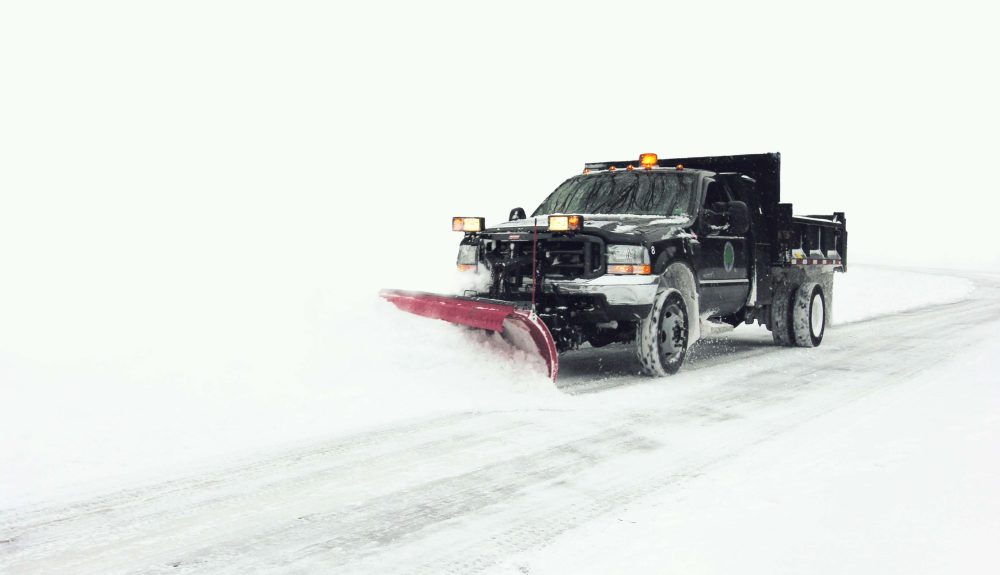
For many who live east of the Mississippi River, winter means colder temperatures and snow. While not everyone’s favorite thing, the arrival of snow and winter storms always has the attention of snow removal companies and landscaping businesses who operate year-round.
Though people who live at higher elevations and in a snow belt (Great Lakes regions) are used to heavy snow and how to deal with the elements, snow can cause gridlock, loss of power and all sorts of stress for larger cities and suburban areas. Many landscaping businesses have opted to evolve into year-round operations to deal with snow removal, joining the ranks of other companies who specialize in snow exclusively.
It’s not just civic-funded snow plows and de-icing measures, either; the use of snow removal professionals rose significantly from 2016 to 2021, with 18 percent growth in the number of businesses during that time period. As of 2022, there are an estimated 88,000 snow removal companies in the United States employing more than 180,000 workers.
As one might expect, snow removal and simply working in winter weather in general poses risks and challenges for professionals in this field. Brokers, armed with the right information and knowledge of snow removal risks, can help workers and their employers be prepared.
The rapidly-changing landscape of snow removal
Climate change is having the biggest impact on snow removal – and it’s not particularly a close race for second place.
Some areas of the country are seeing volatile changes in snow patterns, and at the same time, the extreme nature of storms (following an active season in spring and summer) has carried into winter as well. Just this past winter alone, multiple severe winter storms dropped snow and ice across large portions of the country.
Data from the National Oceanic and Atmospheric Administration (NOAA) shows a trend of warmer winters and declining snowfall – but snow removal businesses in the Mid-Atlantic are among the busiest. And the increasing occurrence of major storms presents opportunities for business, but brings snow removal risk management into focus.
And despite unpredictable weather, snow removal is on an upward trajectory as an industry; as of 2024, industry revenue rose to nearly $28 billion (USD) with more growth expected between now and 2030.
Understanding snow removal risks will help brokers better support clients
It boils down to making sure clients have the right coverage – and in far too many cases, they don’t. Approximately half of landscaping businesses carry service into winter months to offer snow removal services, making broker knowledge and education essential as they transition to a different line of work for snow.
Winter landscaping insurance is similar to traditional landscaping in terms of requirements, but getting the right coverage in place before work begins is important. Weather can change in a matter of days and clients may be forced to spring into action quickly, and they need to be protected before they head to a job site.
Safety risks on the worksite
General liability (or snow removal liability coverage) is required in most states and will protect workers and employers when accidents happen on the work site – but the most effective safety measures that can be taken in snow removal happen before work even begins. Roofs should be inspected, structures should be surveyed, roads cleared and all equipment tested well in advance.
Ensuring safety and proper use, maintenance of equipment
Snow removal equipment is heavy duty, expensive, and requires proper training to operate. This can include lifts, plows, trucks and snowblowers that all pose risks if not handled or operated with safety and precaution. If equipment is damaged on the work site, tools and equipment coverage can help cover losses incurred.
Personal protective equipment (PPE) for slips, falls, and extreme weather
Slips and falls are the most common and frequent accidents in snow removal.
Temperatures can also be dangerously cold. The Occupational Safety and Health Administration (OSHA) recommends training and education on personal protective equipment to safeguard against frostbite and hypothermia, in addition to safety and rescue plans in place in the event of an accident.
Workers’ compensation – required in most U.S. states – can help pay for medical bills and lost wages if injury or illness occurs while at work.
Be mindful of new technologies and practices as snow removal evolves
AI is powering weather forecasting and, additionally, high-tech GPS systems are now commonplace and not a luxury. While this makes preparation for snow removal work quicker and more efficient, it also requires the business to fully understand the technology and how to make best use of it.
If a client is using this technology, they should be properly covered with cybersecurity coverage to protect against data breaches and other security risks.
LandPro is a trusted insurance partner for snow removal businesses
For more than 35 years, LandPro has helped landscaping and snow removal companies find the right coverage that protects them against risk. LandPro is rated A+ by A.M. Best, and offers a comprehensive insurance package (auto included) that covers clients throughout all seasons of work.
LandPro is backed by 35 years of industry-specific expertise and provides the coverages necessary to protect landscapers with snow removal as well as traditional lawn care and landscaping.
To learn more about LandPro or speak to a member of our team, please complete the form.