








“Carrying carrying workers’ compensation insurance is especially important for landscapers who deal with snow and ice removal, not only because it satisfies a legal requirement, but also because it protects workers and the financial interests of the business. Winter weather can increase the chances of worker injury, making all-seasons landscaping insurance a vital part of any landscaping business’s snow removal risk management plan.”
– Michael Finati, LandPro Program Manager
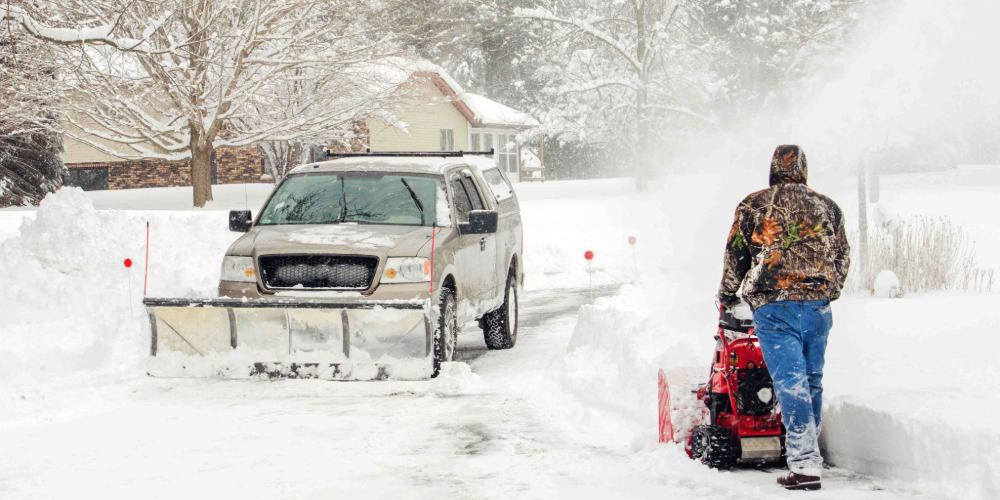
Though most landscapers are known for pruning, planting, and fertilizing, more than half of all landscaping businesses also offer snow and ice removal services. For landscapers in colder areas, snow and ice removal represents around 37% of landscaping revenues, helping these businesses sustain their operations during the winter months. But, like landscaping, snow and ice removal is inherently risky, making winter employee safety a top priority. In addition to offering high-risk workforce insurance, NIP Group offers landscaping businesses and insurance brokers guidance to help with snow removal risk management, winter accident prevention, and staying ahead of industry trends.
What Are the Top Worker Injury Risks for Snow and Ice Removal Crews?
Snow and ice removal comes with many of the same risks as landscaping. Overexertion and being struck by an object are among the most common workers’ compensation claims, along with slips, trips, and falls. Other hazards snow and ice removal workers face include cold stress, vehicle accidents, accidents related to equipment, dehydration, and heart attacks. Though these are a few of the more common injuries, employers should also consider the possibility of an unusual injury, such as an allergic reaction to deicing chemicals or electric shock.
What Types of Insurance Do Snow and Ice Removal Crews Need?
Since many snow and ice removal risks are similar to those landscapers encounter throughout the year, all-seasons landscaping insurance will include snow removal insurance. Winter services insurance should cover all the risks a business might face during the winter season, such as storm damage, worker injury, equipment losses, and auto accidents. While general liability insurance will cover damage to the property of clients or third-party injuries, hazard insurance, inland marine, and commercial auto protects the insurer’s property and vehicles, with workers’ comp covering employees. The best way to determine the exact coverages snow and ice removal crews need is to set up a consultation with an experienced insurance broker.
What’s Typically Excluded Under Workers’ Compensation Insurance?
Workers’ compensation benefits are broad, covering a variety of injuries and illnesses employees might suffer on the job. However, this coverage also has several exclusions, which may include:
- Injuries that occurred outside the workplace.
- Intentional acts.
- Violations of the company’s policies.
- Injuries sustained by terminated employees.
- Injuries sustained while commuting to or from work.
- Injuries suffered by independent contractors.
- Minor injuries that don’t prevent an employee from completing their work duties.
- Accidents while the employee is intoxicated.
The Real-World Role of Workers’ Comp: A Case Study
Massachusetts man awarded judgment of nearly $1 million in snow removal fall
In 2015, Jose Hernandez, a Massachusetts landscaping worker, sustained a lower-body injury when he was removing snow and ice from the roof of a condominium. Hernandez claimed he was working for a landscaping company (Rick’s Complete Lawn and Landscaping Service) at the time of his injury, but the owner of the company argued that he was not employed at the time of injury and that he was not instructed to remove snow from the building’s roof. In court, the jury concluded that Hernandez was employed by the company on the date of the injury, and that he sustained his injuries on the job. The jury ruled in favor of Hernandez, with damages totaling $750,000 and a judgment of more than $965,000. Unfortunately for the defendant, the company did not have a workers’ compensation policy in effect at the time of the injury. The owner later filed for discharge in bankruptcy court but was denied.
Key Regulatory Trends Brokers Should Consider for High-Hazard Industries
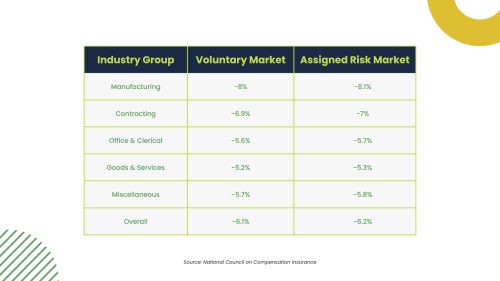
Though workers’ compensation laws are subject to change and vary by state, recent regulatory trends seem to point toward expanded benefits for workers and premium decreases. Mental health and emotional health have come into focus in recent years, with potential coverage under workers’ comp for health issues such as PTSD and workplace stress and anxiety.
In an inflationary environment, many people are surprised to learn that rates are dropping. The reasons behind these decreases are improvements in workplace safety practices, the adoption of new technologies, safety training, and other strategies that have reduced the likelihood of on-the-job injuries. Despite the downward trend of premiums, it’s important to recognize that inflation and increased healthcare costs may drive rates up, a change that’s already taken effect in some states.
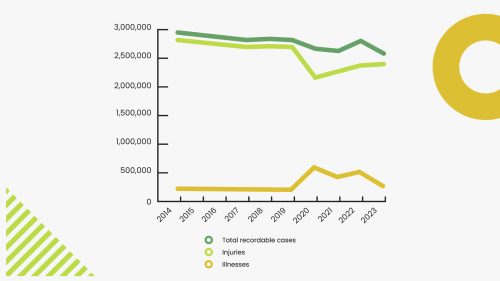
Source: https://www.bls.gov/news.release/pdf/osh.pdf
Conclusion
As with most risks, prevention is the best medicine. Worker injuries are extremely common in the landscaping industry, and those risks may be even higher for employees removing snow and ice. While safety training can help reduce the risks of employee injury, accidents can still happen on the job. If and when they do, workers’ compensation can help them get the care they need and protect the financial interests of the business owner. A comprehensive all-seasons landscaping policy can act like snow removal insurance for businesses that operate in cold-weather climates, providing workers’ comp and other coverages that can give landscaping companies the peace of mind they need to scale their businesses.
Learn more about LandPro, submit your accounts, or speak with an expert today.
Download: Winter Weather Risk Mitigation Checklist