






Any business owner will describe insurance shopping as a pain, and often that’s only part of the headache. Finding the right coverage requires a thorough understanding of what’s required, commonly excluded, and what the client needs.
Tree service business insurance is complex, and most large providers offer plans rife with gaps. Their job is to sell an insurance policy and move on to the next customer, and far too often, we meet clients who carry insurance with exposures that are too big to ignore.
A broker who works with clients to understand their unique risks and finds comprehensive and specialized solutions to address them has a competitive advantage in the industry.
Safety in tree care is critical for any business
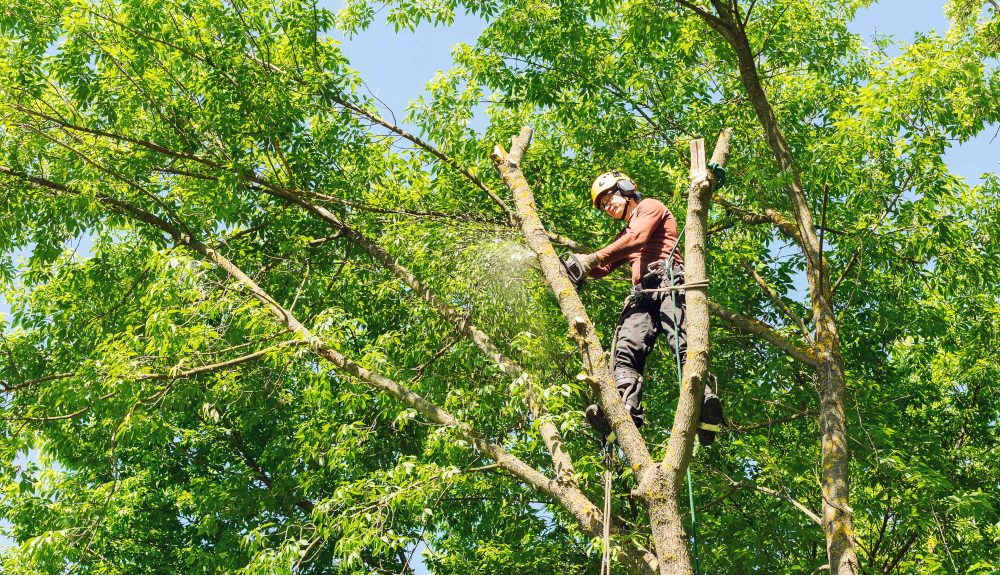
Slips, falls, utility line damage, and equipment accidents are common claims in tree service.
When workers constantly operate in dangerous conditions, some due to weather and others simply due to the nature of the job itself, it can be difficult for business owners to fully grasp what insurance coverages they need. Tree care is one of the most risk-prone industries in commercial contracting, which means clients deserve quality coverage that fills gaps and minimizes exposures.
The last thing a client wants is to be caught by surprise, especially when they have an urgent situation involving a claim that can impact their business. Understanding the full spectrum of tree care insurance risks and how to address them with coverage can help build a long-lasting client relationship.
5 coverage gaps clients should know about
When clients hear what they want to hear from an insurance provider, they may not examine their policy documents thoroughly. This is where problems begin—before long, they can become big problems.
Here are some of the most overlooked risks in tree care, and how you can help clients find coverage that protects against any challenges they face (not just the most common).
Third-party liability
General liability coverage typically pertains to your business and your direct employees. If your client hires subcontractors or outside vendors to help with the work, most insurance policies do not cover them. This represents a potentially troublesome gap in coverage, and business owners can be stuck with massive bills and claims that won’t be paid.
An insurance partner that provides complete coverage, including subcontractors, will help clients avoid costly claims. This is also beneficial if a subcontractor or third party is injured on the job and sues your client.
Height restrictions and aerial work limitations
Another common pitfall in large-carrier insurance policies is height restrictions. These are common “misses” when signing up for coverage, mainly because it’s buried deep in the fine print. One way to find out: if the coverage seems cheap, it probably is.
Most insurance policies feature coverage for work up to 15 feet. If you work regularly with tree care clients, you’ll know that it doesn’t do much for them.
Equipment damage
Most equipment used by tree care businesses is heavy-duty, requires proper training, and is expensive. “Expensive” pertains both to its actual cost and the ongoing cost of maintenance and repairs. Tree care insurance risks are often linked to the workers performing the job, but equipment is just as necessary to cover properly.
Tree care equipment coverage should be tailored for each client. When working with clients to find coverage, brokers should examine the types of equipment included in the policy and its provisions for repair and replacement. Many policies don’t cover expensive equipment (stump grinders are an example), leaving clients on the hook for a hefty bill.
Workplace safety
At NIP Group, we often discuss creating a “culture of safety” within a business with our clients.
This serves two purposes: one, it helps educate employees about best practices and how to remain safe while working. Two, it can avoid common claims related to inadequate safety practices, which can be excluded from an insurance policy.
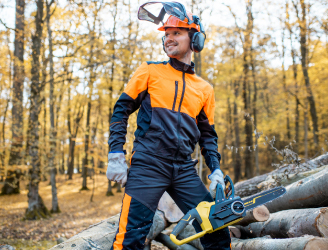
Proper use of personal protective equipment (PPE), operating equipment, and site evaluation are key components to improving workplace safety for arborists.
Environmental hazards
Bad weather, damaged infrastructure, and extreme heat or cold can pose problems for tree care workers. Specialized tree care insurance should include coverage for accidents that occur in a wide range of conditions, but that isn’t always the case.
TreePro is a trusted partner for complete tree care coverage
For over 35 years, TreePro by NIP Group has helped tree care businesses find comprehensive, specialized insurance coverage.
TreePro’s industry-specific program offers tailored coverages for tree service businesses of all sizes. TreePro has also customized every essential business insurance product, helping ensure competitive rates and proactive risk management services.
Reach out to our team today to learn more about TreePro.