











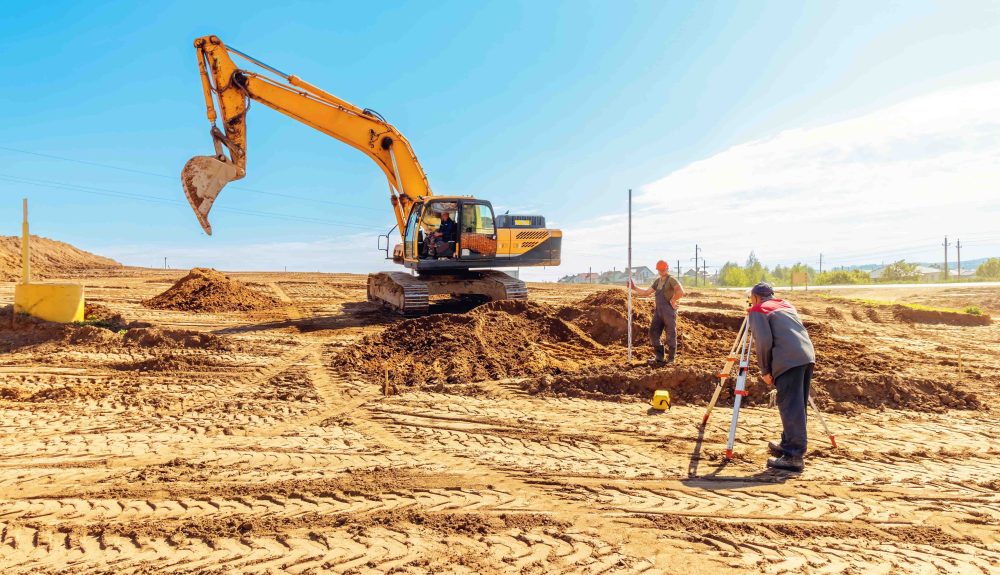
With construction spending in the U.S. topping $2 trillion in 2024 and a 12% annual increase in gross output, the industry is poised to continue moving full steam ahead in 2026 and beyond.
As the cost of materials and construction prices rise, and with additional rate cuts expected during the year, brokers and construction businesses alike can capitalize on near-term growth opportunities.
As grading and excavation pros seek to grow their businesses, they’ll have to contend with increased risks, necessitating more specialized, comprehensive construction insurance. For commercial brokers, there’s a tremendous growth opportunity for those who can help these businesses thrive by supporting their risk management strategies as they scale their operations. This builder’s risk insurance guide offers broker strategies for construction risk, along with answers to common questions you might get from current and prospective construction clients.
Builder’s Risk Insurance Explained
Many graders and excavators may think they don’t need builder’s risk insurance because they generally aren’t the ones building any structures. Unfortunately, this oversight can lead to unnecessary risk exposure and, if left unaddressed, significant losses. Builder’s risk insurance offers coverage for work that’s already been done on a site, along with hard costs such as materials used in the course of construction — even if it’s not building the actual structure. Endorsements or coverage options for soft costs, such as labor and business interruption, may also be available depending on the policy. Since site preparation is a substantial cost driver for every new building, builder’s risk insurance is still a relevant consideration for graders and excavators who focus solely on site prep.
10 Broker Tips for Construction Clients to Mitigate Risk
- Understand your coverage needs by conducting a comprehensive risk assessment.
- Work with an insurance broker who specializes in construction project risk management.
- Meet with your insurance broker at least once per year to review your coverages and make updates as needed.
- Ask about any exclusions or coverage limits.
- Document everything in writing, from communications with clients to work orders and maintenance schedules.
- Keep track of your inventory and update valuations on equipment, materials, and project costs.
- Know what coverages are required by law and understand and comply with applicable federal, state, or local guidelines.
- Vet all subcontractors and obtain written agreements before beginning work.
- Conduct a site assessment on any new jobs before breaking ground.
- Expect, and plan for, the unexpected.
Builder’s Risk Insurance FAQs
Is builder’s risk insurance required by law?
Builder’s risk policies aren’t mandated under federal law, but state and local governments may require companies to carry builder’s risk for certain projects. In most cases where a construction project is financed, the lender will require the builder to carry builder’s risk insurance as a term of the loan agreement.
What’s the difference between general liability and builder’s risk insurance?
General liability insurance protects the business from third-party claims of bodily injury, property damage, and legal costs for defense. Builder’s risk is a type of insurance for construction projects that’s designed to cover damage or losses related to the structure or materials on a job site.
What other coverages might I want or need?
Insurance for builder’s and contractors should be customized to the specific needs of the business. While builder’s risk insurance is an important piece of that puzzle, other key coverages include general liability, workers’ compensation, commercial auto, inland marine, cyber liability, umbrella liability, and jobsite pollution.
Is builder’s risk insurance necessary for site-preparation pros?
Builder’s risk insurance may not be a legal requirement for site-preparation pros, but it’s still an important coverage to carry. Grading and excavation jobs often require expensive equipment and materials, and with more frequent severe weather events, businesses should always consider the potential costs of these losses.
Will builder’s risk insurance cover business the costs of delays or interruptions?
Builder’s risk insurance may include coverage or an option to extend coverage that pays for the costs of interruptions or delays. This coverage is typically limited to delays resulting from covered losses, such as a fire or windstorm.
Conclusion
Though builder’s risk insurance might be an afterthought for many graders and excavators, the reality of significant losses should be sobering for any construction or site-preparation pros. As the construction industry and financial stakes of each project continue to grow, brokers can earn the trust and business of graders and excavators by helping direct their awareness to more nuanced potential risks and coverage options, including damage to partially completed work and the protection builder’s risk insurance can provide.
Ready to submit your accounts or speak with a program specialist? Visit the SitePro web page today.