









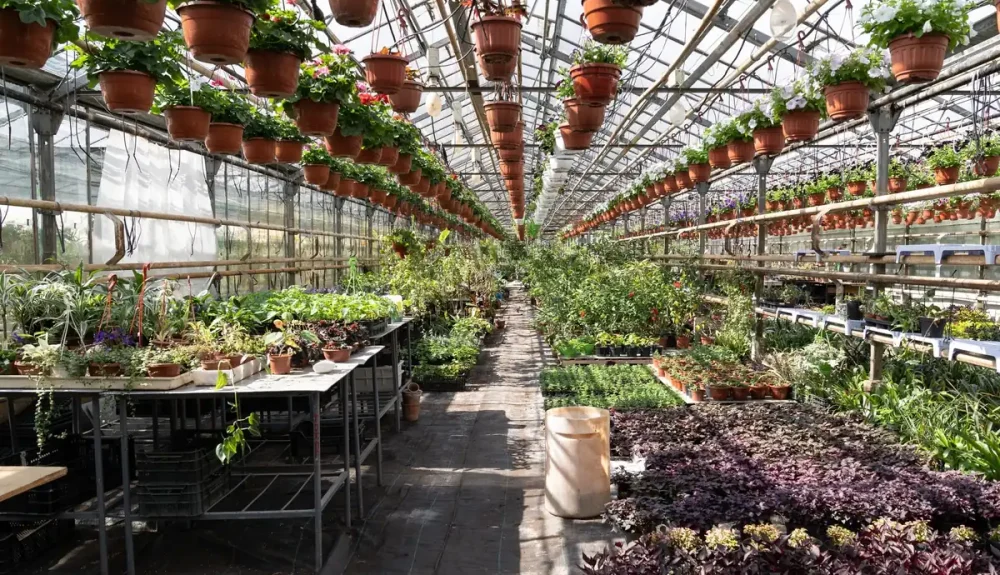
A February cold snap knocks out your greenhouse heater at 2 a.m. By morning, a full bench of seedlings has frozen, and the wholesale order due that week is gone with it. One broken part just turned into two separate losses: a damaged crop field and revenue that will not return automatically.
That is the gap greenhouse business insurance is built to close, covering the full chain of loss instead of just one piece of it. In this blog, we walk through seven coverage options every grower should have, starting with what sits inside your greenhouse and ending with what gets your product out the door.
What Protects Your Structures and Equipment, Including Your Inventory?
Three coverages work together to protect what is inside your greenhouse and the structure itself, and each one picks up where the other leaves off.
1. Commercial Property & Crop Insurance
It covers greenhouse structures and tools, as well as live plant inventory. From seedlings to mature trees, it covers against hail, wind, fire, and sudden temperature swings.
2. Equipment Breakdown Coverage
It pays to repair or replace grow lights, climate controls, heating mats, and irrigation pumps when they fail.
3. Business Interruption Insurance
This replaces lost income and overhead if a covered event halts operations during peak season.
Crop losses are the hardest of the three to price correctly on your own, since plant inventory value shifts by season and by stage of growth. Protecting the structure and the crop, however, only covers half the risk. The other half shows up the moment a customer or employee gets hurt on your property.
Must Read: How to Value Growing Stock for Greenhouse and Nursery Insurance
Coverages That Protect Against Liability
Liability coverage protects your business when someone other than you gets hurt, files a claim, or has a bad reaction to something you sold.
4. General Liability
Covers customer injuries on-site, like a slip on a wet walkway or a trip over a hose.
5. Product Liability
Covers claims tied to plants or seeds you sold, including allergic reactions or property damage from mislabeling.
6. Workers’ Compensation
Covers medical costs and lost wages when an employee is injured. Most states require it once you have staff on payroll.
Seasonal and full-time labor adds its own layer of exposure that general liability does not cover.
Must Read: 5 Reasons Buying Greenhouse Insurance Should Be Non-Negotiable for Growers
Coverage for Vehicles and How Do You Bundle It All?
Inventory and staff still need to move between the nursery and job sites. That is where the last coverage on this list comes in.
7. Commercial Auto
Covers the vans and trucks moving your inventory and staff between the nursery and the job site. A personal auto policy will not extend to that use, which leaves a real gap for any grower running deliveries.
Buying all seven of these coverages as separate policies means seven renewal dates and seven sets of paperwork. It also includes the gaps between them that nobody catches until a claim falls through the cracks. Insurance for plant nursery and greenhouse businesses helps you understand what a bundled approach covers and why growers consider one program rather than seven.
GrowPro is that program, built specifically for greenhouse and nursery operations. It covers commercial property, crop insurance, general liability, workers’ compensation, and commercial auto under one policy. GrowPro is backed by A+ rated carriers that are financially strong and well-positioned to pay claims when a loss hits your operation. Ask your broker to sign you up for GrowPro or contact us to see how it fits your operation.