








Utility vegetation management contracts increasingly split tree work between two very different crew types. Most policies still treat them the same. Line clearance crews work within a few feet of energized conductors under utility contracts.
Right-of-way crews handle general corridor maintenance, where the risks lie in equipment and vehicles as well as physical labor. Tree service insurance built for one rarely transfers cleanly to the other. This blog breaks down what each crew type needs to get insured. It also covers how to check your policy classification with the work your crew performs.
Why Do Line Clearance and ROW Crews Need Different Coverage?
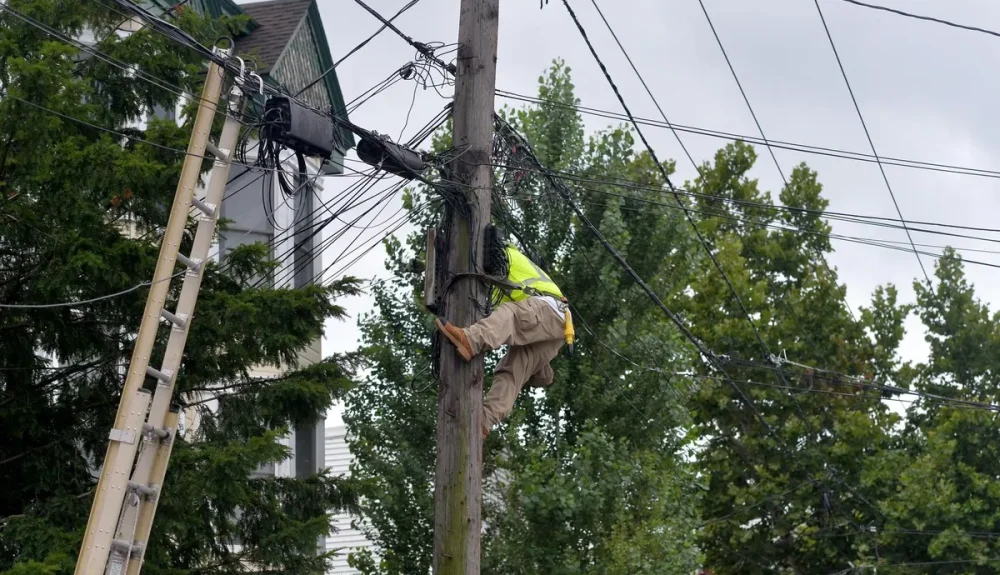
Line clearance and ROW crews need different coverage because one works near live power lines and the other doesn’t. Line clearance crews clear vegetation within a few feet of active power conductors, usually as subcontractors on utility contracts. ROW crews maintain corridors along roads, rail lines, or property lines, away from that electrical risk.
Insurers price that gap directly. A mistake near a live line can cause far more damage than one made along a roadside. That difference shapes the liability limits and the workers’ comp class, as well as the extra coverage each crew needs to carry.
Must Read: 3 Insurance Coverage Strategies for Utility Contractors
What Does a Line Clearance Crew Need to Get Insured?
A line clearance crew needs general liability limits high enough to meet utility contract requirements. They also need coverage built for wildfire and chemical exposure near power infrastructure. That usually means:
- General liability with $5 million to $10 million in limits through an umbrella or excess policy, since most utility contracts require it
- High-hazard workers’ compensation rated for crews working close to energized conductors
- Wildfire and pollution liability for the herbicides used in vegetation management
Standard tree care policies frequently exclude energized-line work altogether. Crews bidding on utility contracts should confirm their vegetation management insurance covers that exposure directly. It’s because a generic tree care policy usually leaves it out.
What Does a Right-of-Way Maintenance Crew Need to Insure?
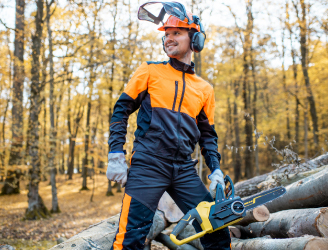
A right-of-way crew needs standard general liability and commercial auto coverage, sized for multi-truck corridor work. Inland marine and workers’ comp round out the rest, matched to the physical demands of the job. Here’s what that looks like on a policy:
- General liability and commercial auto for bucket trucks and trailers moving between sites
- Inland marine coverage for chainsaws and climbing gear, as well as heavy equipment carried in transit
- Workers’ compensation scaled for climbing, rigging, or ground-crew exposure
This crew type still carries real risk, just without the electrical component. Checking your workers’ compensation insurance against what your crew does on site catches gaps before a claim does.
Must Read: Master Safe Utility Line Clearance Operations and Practices
How Do You Get Your Policy Classification Right?
Getting classification right means matching your policy wording to your crew’s actual work. This is because utility contracts and general liability carriers both review the wording closely before a claim is filed.
Line clearance is a regulated specialty under OSHA 1910.269 and ANSI Z133. A standard residential tree care policy carries no provision for that exposure. The declarations page won’t change that fact once a claim is under review.
Right-of-way maintenance runs on lower contract limits. But it still needs the correct classification on file. A landscape policy with “no tree service” wording denies claims just as fast as a missing electrical endorsement would. Reviewing your excess liability coverage with your broker catches that gap while it’s still fixable.
TreePro is built to address that problem by covering both risk profiles within a single program. Coverage includes wildfire and pollution liability, along with high-limit excess protection sized to match the crew type performing the work. TreePro carriers also hold an A+ rating, which indicates they have the financial capacity to pay claims when a loss occurs. Ask your broker to sign you up for TreePro. Or, contact us to get your crew properly covered before your next contract bid.