









Understandably, most arborists focus on the bottom line when going about their workday. After all, you have to keep money flowing and costs low to remain viable. But in doing so, many arborists fail to keep one critically important aspect of the job in mind: the safety of their tree care crew.
This is rarely a conscious decision – most arborists are honorable people who go out of their way to treat their employees and contractors well. But as the pressure of churning a profit grows, shortcuts become more common.
Interestingly, the safety lapses that do occur are rarely of the life-or-death variety. Most capable arborists and tree care crew chiefs will ensure that their climbers are utilizing appropriate fall protection and that tree-felling operations are treated with the appropriate gravity. Instead, it is the more mundane safety protocols that often get swept under the rug.
Below, we’ll talk about three unfortunately common safety lapses that your tree care crew may be making. You should (and likely do) already know that these safety practices are important, but it will hopefully encourage you to make sure your crew is taking them seriously.
Failing to Wear Protective Chaps or Pants
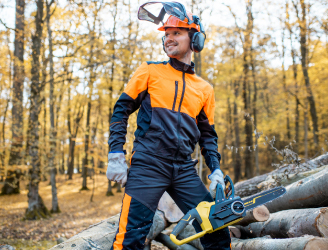
Failing to wear proper chaps or pants while using a chainsaw is one of the most common, yet dangerous safety lapses you’re likely to see on a job site. Properly sharpened chainsaws will rip through an oak limb in seconds – we don’t need to explain what they’d do to the legs of a tree care crew member. But unfortunately, many tree care professionals neglect to wear these potentially life-saving garments.
Now, we get it: The chainsaw resistant chaps and pants of the past were unbearably hot and uncomfortable. However, modern versions are much more comfortable and – once you get used to them – you’ll often forget you’re even wearing them. Besides, your employee probably won’t mind being a little toasty once his chaps or pants save him from a trip to the hospital.
Note that there’s quite a bit of debate among arborists concerning the chaps vs. pants debate. Many tree care crew members strongly prefer pants to chaps (and pants should always be the default choice of climbers), but they cost quite a bit more than chaps. As a solution, many tree-care professionals are now telling their crew that they’ll provide enough to cover a pair of chaps. But if the employee would prefer pants, he can simply make up the difference in cost out of his own pocket.
Falls from heights are one of the biggest threats to tree care crews. Learn more in this article!
Not Wearing Proper Eye and Ear Protection
Unfortunately, whether through complacency or laziness, many members of your tree care crew likely fail to wear proper eye protection. This is unfortunate, as tree work presents myriad eye hazards, which could leave your employees with lasting – perhaps permanent – eye injuries. From flying wood chips to long thorns to large quantities of dust, your crew’s eyes are in near-constant danger while on the job site. So, always insist that every crew member wears eye protection while on the job site.
It’s also important to provide your tree care crew with proper ear protection in most cases. Strictly speaking, ear protection isn’t always mandatory, but in practice, you’ll find that most circumstances do necessitate its use. In a nutshell, you’ll need to make sure your employees are using ear protection anytime they’re working with or near loud tools, such as woodchippers, chainsaws, and stump grinders. Plugs or earmuffs may not be necessary when inspecting a property or preparing for the job to begin, but they do become a requirement once you start cranking up the power tools.
Not Using Appropriate Road Signage
Using proper road signage is another vital, yet often overlooked aspect of safety you must require your tree care crew to embrace. In fact, the use of road signage will not just protect your crew members, but it will also help ensure that motorists and pedestrians in the area will remain safe too. The exact type of signage required will vary from one job to the next (as well as by the geographical area in which you’re working), but it is always wise to not only meet the legal requirements but to exceed them when possible.
Understand that proper road signage will not only help keep everyone safe – it will also help endear your business with the local residents. As residents drive by your worksite, they’ll likely appreciate proper signage, which helps them to watch out for unexpected hazards and avoid accidents. And while noting your blaze orange signage, their eyes will undoubtedly drift over to your business signage and logos.
Conclusion
Remember, keeping your tree care crew safe isn’t simply the right thing to do, but it is your obligation as the business owner. So, take the time to review your safety practices, and pay special attention to the three safety lapses we’ve discussed above. Perhaps your crew is better than most and is already embracing these protocols, but if they aren’t, now is the perfect time for them to start.
Learn why TreePro is the largest tree care insurance program of its kind. Click here!

