










Opportunities in the horticulture industry have never been better.
The industry is experiencing unprecedented growth, fueled by rising demand and expanding production.
Business is booming in the United States—in 2024, the combined efforts of farmers, traders, and growers are projected to yield a staggering $300 billion in gross production, with a steady annual growth rate of three percent through 2028
Along with opportunity is the major role that the horticulture industry plays in sustainability and environmental protection — primarily through vertical farming and hydroponics. In this blog, we delve into:
- Horticulture’s role in environmental protection
- How practices like vertical growing and hydroponics support this role
- The insurance safeguards that can protect your business as you cultivate new sustainable practices
How The Horticulture Industry Is Instrumental In Environmental Protection
It’s undeniable that our planet is facing environmental challenges, from deforestation to water pollution. The horticulture industry, especially through vertical farming and hydroponics, stands as a defense against these issues:
Biodiversity conservation
Horticulture protects biodiversity by curbing the extinction of rare and endangered plants. Through the cultivation of diverse plant species, horticulturists create habitats that support various insects, birds, and animals.
Air quality improvement
The photosynthetic process of plants is harnessed to enhance air quality. Horticultural practices, facilitate the absorption of carbon dioxide and release of oxygen. This not only reduces pollution but also acts as a vital buffer against the impacts of climate change.
Soil health enhancement
Sustainable land management takes center stage in horticulture. Crop rotation, cover cropping, and the use of organic fertilizers are employed to maintain soil fertility and structure. Healthy soils, a byproduct of these practices, combat erosion, enhance water retention, and ensure enduring agricultural productivity.
Urban green spaces
Horticulture seamlessly integrates into urban planning, creating verdant havens within cities.
Parks, gardens, and green roofs not only add aesthetic charm but also serve as spaces for relaxation and recreation. These green sanctuaries mitigate the urban heat island effect, rendering cities more habitable and resilient.
Vertical Farming: A Green Revolution
Vertical farming, projected to be a $60 billion industry by 2031, is redefining how we cultivate crops, using less land and other resources to produce greater output.
By focusing on vertical farming, you can utilize a transformative method that redefines how you cultivate crops, emphasizing sustainability, resource efficiency, and environmental conservation.
At NIP Group, we recognize the critical role that horticulture and growth-focused businesses play in shaping a greener future. We understand that as you migrate to cultivating vertically, harnessing cutting-edge technology and eco-friendly practices, you face unique risks related to energy consumption, waste disposal, and environmental impact.
That’s why your sustainable business requires the right insurance coverage.
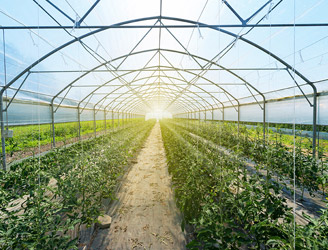
Imagine towering greenhouses, where plants thrive in a controlled environment, defying seasons and weather patterns.
Here’s why it’s gaining ground:
- Year-Round Cultivation: Vertical farms defy seasons. With controlled environments, crops flourish regardless of weather patterns or climate changes. Imagine fresh produce thriving even during winter storms or scorching summers.
- Space Efficiency: These farms stack crops vertically, maximizing space. A single vertical farm can yield what would require acres of land in conventional farming. As our urban population grows, this efficient use of space becomes crucial. 3. Water Conservation: Vertical farming uses 95% less water compared to traditional methods. Water scarcity is a global concern, and vertical farms address it head-on.
- Energy Savings: By growing produce closer to urban centers, transportation distances shrink. This translates to lower carbon emissions and a smaller environmental footprint.
- Nutrient Optimization: Aeroponic systems fine-tune water, nutrients, temperature, and humidity for each crop. The result? Perpetual harvests and up to 390 times more crops per square foot compared to traditional farms.
These vertical gardens not only yield more produce but also consume less land and water compared to traditional farming.
It’s a win-win for both business and the planet.
The impact the horticulture industry has on environmental protection, and its ongoing efforts in sustainability, cannot be understated.
It is, however, often overshadowed by a focus on yield, production, and profit.
GrowPro and its partners share a commitment to furthering efforts in sustainability and environmental impact; we understand the unique risks clients face and are here to help navigate you with confidence. We offer sustainability-focused comprehensive insurance for your business.
Vertical farming can be the answer—for your business profits, and a sustainable future.
Vertical farming works to advance sustainability and environmental awareness in the United States
It’s cliche, but true: we only get one planet.
And as our food supply becomes more of an immediate issue, conservation is equally important as production.
Earth.org estimates we’re losing 10 million hectares of forest every year, generating 4.8 billion tons of carbon dioxide (CO2) annually.
In short, well, that’s not good.
Vertical farming and hydroponic growing can help us push back against environmental wear in several ways.
Reducing deforestation
Paper production, crops, and livestock are responsible for a process that accounts for nearly five percent of all human emissions every year.
Vertical horticulture protects against deforestation by growing sustainably with a smaller industry-wide footprint, eliminating the need to wipe out trees and forests.
Stopping water pollution
In the simplest of terms, water usage in vertical farming is cyclical.
Freshwater is brought into the system, used to grow the plants, then purified and recycled before being used again.
Because water usage is contained in vertical farming, there’s virtually no risk of pollution or contamination of water that’s deposited in rivers or lakes.
Recycling and reusing freshwater
According to UNESCO and the Food and Agriculture Organization of the United Nations (FAO), agriculture is responsible for 70 percent of global freshwater usage.
At the same time, food production rates have nearly doubled in the last 30 years.
You can imagine how this is a volatile situation; vertical farming can be the solution because it uses water-saving technologies to recycle and reuse freshwater throughout farming systems. Water is used for growing, then purified and reused in subsequent growing cycles.
Reducing fossil fuel emissions
Environmental impact and sustainability can be achieved when we commit to reducing fossil fuels, particularly in the farming industry.
With vertical farms and hydroponic systems, the use of cumbersome and diesel-burning equipment is eliminated—along with the need for gas-powered heating systems.
Using LED lighting is a more sustainable and energy-efficient way to provide heat and lighting as opposed to traditional farming methods.
Tailored Insurance Solutions for Eco-friendly Businesses
From risk control to claims management (and more in between), our team has the unique experience required to support businesses through challenging times.
The agriculture and growing industries are rapidly changing, and we have the expertise to help keep businesses protected from risk.
Ethical enterprises need coverage custom-fit to their vision.
At NIP Group, we’ve spent 35+ years building exclusive solutions to do just that.
We offer GrowPro—an insurance product tailored specifically for sustainable greenhouse businesses and focused on expanded protection.
GrowPro is as simple as insurance gets: we offer specialized insurance coverage for hydroponic growers, hemp, greenhouses, vertical farmers, and more. Contact us and safeguard your business today.

