









“While landscaping and snow removal may go hand in hand, slip-and-fall claims, third-party property damage, and subcontractor liability involving winter weather may represent a significant blind spot for many companies.”
– Michael Finati, LandPro Program Manager
As landscapers transition from fall cleanups to snow removal, they face a new set of liability exposures and costly coverage gaps, such as slip-and-fall claims, damage to property, auto accidents, and subcontractor liability claims. While some landscaping contractors make the mistake of assuming standard commercial general liability policies cover snow and ice removal, failing to carry dedicated snow removal insurance can leave them on the hook for claims that cost hundreds of thousands of dollars. For brokers, this misconception offers an opportunity to identify gaps or uncovered risks and to protect landscaping clients by educating them about snow-removal contract risks and providing snow plowing liability coverage.
Contract-Related Risks: Where Snow Removal Creates Coverage Gaps
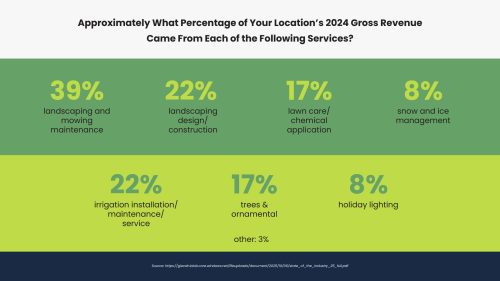
According to Lawn & Landscape’s State of the Industry Report, 46% of landscaping companies offered snow and ice management services. But while landscaping and snow removal may go hand in hand, slip-and-fall liability or property damage claims involving snow and ice hazards can represent a blind spot for many companies.
Slip-and-Fall Liability Claims
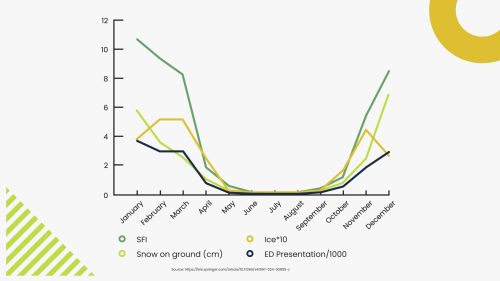
Slips and falls are one of the most common liability exposures for landscapers year-round — and a study published in the Journal of Safety Research shows winter weather increases these risks. While slips and falls may be covered under a traditional landscaping liability coverage, these policies usually feature an exclusion for snow and ice removal.
Source: https://link.springer.com/article/10.17269/s41997-024-00855-z
Property Damage Claims
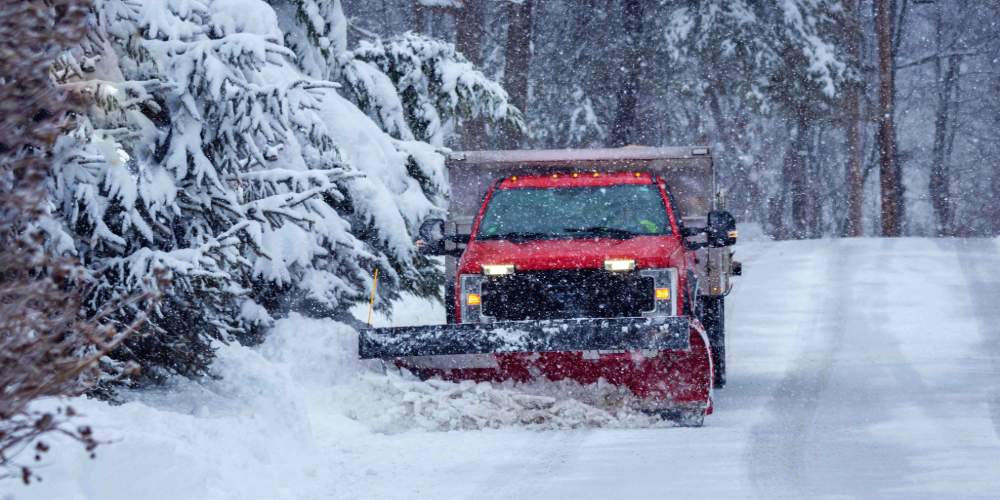
Though slip-and-fall claims are typically the most common exposure for snow removal contractors, property damage claims represent another risk consideration. Examples of third-party claims from snow and ice removal include damage to driveways, curbs, parked vehicles, and landscaping or irrigation systems. For landscapers, adding a commercial auto snow plow endorsement can help extend coverage for property damage claims caused by a plow attached to a company truck.
Subcontractor Liability Exposures
Subcontracting is a common practice for many landscaping operations, particularly during unpredictable winter months. While subbing out these services can help landscaping businesses take on larger contracts without additional overhead, they can also create coverage gaps.
5 Risk Mitigation Techniques for Snow Removal Contractors
1) Implement tight risk transfer controls
For landscaping companies that offer snow removal services, incorporating contractual risk transfer controls can help protect against liability exposures and financial losses. Vetting subcontractors, confirming a valid certificate of insurance before beginning work, enforcing additional insured requirements, and requiring hold-harmless agreements are some of the most effective strategies for shifting risk away from the general contractor.
2) Conduct site surveys and risk assessments
Site surveys and risk assessments are another useful tool for snow removal contractors to mitigate losses. Before a storm, companies should conduct a thorough site inspection to identify any hazards and high-traffic areas, in addition to mapping out clearing routes and stacking locations. For example, snow removal contractors should consider sun exposure, drainage patterns, and sloping to minimize the risk of black ice and refreezing.
3) Establish scope and strict operational controls
Snow removal contracts should always include the complete scope and strict operational controls that state what the landscaping contractor will and won’t do. That means defining the exact service area, clearing expectations, and snowfall accumulation triggers, in addition to determining whether the contractor will provide automatic service or remain on call. By including these terms in the contract, landscapers can have a clear understanding of when they might be liable for any potential losses. This can also help prevent property owners and managers from leaving landscaping businesses with the sole responsibility for any injuries, damage, or negligence claims.
4) Document everything
Landscaping contractors should maintain comprehensive records of their snow and ice removal, such as before and after photos, service logs, weather records, and treatment records. Keeping meticulous records can improve accountability, customer satisfaction, and efficiency. In the event of a dispute or a loss, documentation may also protect landscaping contractors from lawsuits.
5) Carry specialized snow plowing insurance coverage
Carrying landscaper snow removal insurance helps ensure landscaping contractors are covered through all seasons, whether they’re planting or plowing. As landscapers aim to maintain profits through the winter months, snow removal insurance can protect them from liabilities that are commonly excluded from standard policies. NIP Group’s LandPro program is specifically designed to offer both landscaping and snow removal insurance in a single policy.
Case Study: Subbing Out Snow Removal Leaves Landscaper with $132,000 Judgment
After sustaining injuries due to a slip and fall on an icy commercial parking lot, a New Jersey woman sued the property owner and the landscaping contractor and subcontractor hired for snow removal and ice treatment. The woman stated the parking lot was “plowed but not salted,” claiming the defendants failed to address the icy conditions in the parking lot. Later, the defendants requested the court take notice of the statewide emergency order; however, the court denied the request, stating that the declaration of an emergency didn’t alter the company’s duty to treat the ice.
In January 2025, a New Jersey court affirmed a nearly $500,000 jury award. Despite hiring a subcontractor for the actual snow and ice removal, the general contractor was held responsible for more than $132,000 of the award. This case highlights several key considerations for snow removal contractors, such as the importance of contractual risk transfer, establishing a clear operational scope, and maintaining comprehensive records and documentation.
Why Brokers Lean on LandPro to Protect Clients Year-Round
When seasons change, so do the risks landscaping contractors face in their daily operations. As a broker, you can grow your landscaping portfolio by offering expertise and risk management solutions for all seasons and services. By educating clients and prospects about how snow removal accounts can influence liability exposures, you can encourage them to ask the right questions and incorporate the appropriate risk controls. And with LandPro’s all-in-one insurance for landscaping clients who operate year-round, you can help them secure coverage that’s designed to withstand the demands of nearly every operational risk they might encounter.
Ready for better landscaping coverage by design? Place your landscaping and snow removal accounts under a single policy, with NIP Group’s LandPro program.
10 Questions to Ask Before Submitting Snow Removal Accounts