




Summary
- Water scarcity and climate pressure are making aquaponics greenhouse production a serious option for commercial growers
- Fish and crops sharing one system means one failure can hit everything at once
- In this blog, we cover how commercial aquaponics greenhouses work, where they break down, and what coverage your operation needs
Most commercial growing operations carry one primary risk: the crop. In an aquaponics greenhouse, that changes. You are managing fish stock, plant inventory, water quality, biological filtration, and climate controls as one connected system. A problem in any one of those areas can move through the rest of them fast.
That is not a reason to avoid aquaponics. Operations running it well are seeing real returns from dual production and reduced input costs. It is a reason to go in with a clear picture of how the system actually works, where it tends to break down, and what your operation needs when it does.
How a Commercial Aquaponics Greenhouse Works
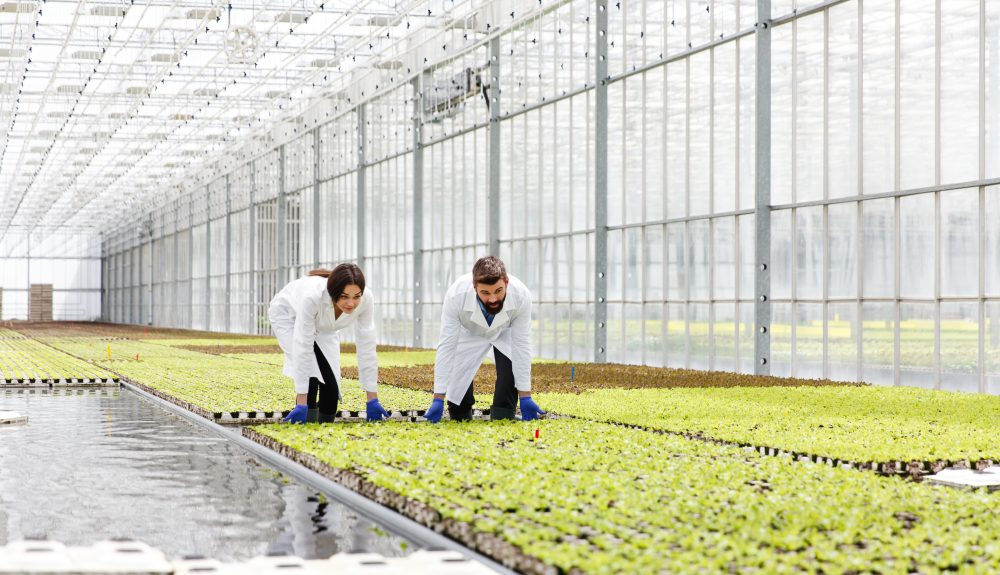
Aquaponics combines aquaculture and hydroponics in one recirculating system. Fish are raised in tanks, their waste feeds into the water, and beneficial bacteria convert that waste into nitrates that plants absorb. The plants clean the water before it cycles back to the fish.
For commercial operators, the core advantages are straightforward:
- Uses up to 90% less water than in-ground farming, which matters in drought-prone states
- Supports year-round production inside a controlled environment
- Produces two sellable outputs from one operation: crops and fish
Those advantages come with real capital requirements and a risk profile more complex than either aquaculture or hydroponics alone.
Inside a Greenhouse Aquaponics System: The Six Components
A commercial system runs on six interconnected components:
| Component | Role |
| Fish tanks | Raise aquatic species, produce nutrient-rich waste |
| Mechanical filtration | Removes solid waste before it enters the plant system |
| Biofiltration | Bacteria convert ammonia into plant-available nitrates |
| Grow beds | DWC, NFT, or media-based setups depending on crop type |
| Climate controls | Manage temperature, humidity, ventilation, and CO2 |
| Water recirculation | Pumps, piping, sensors, and monitoring equipment |
The critical point is interdependence. If filtration weakens, water quality degrades across both sides of the system. If a pump fails, oxygen levels drop and the whole loop is at risk. NMSU research identifies dissolved oxygen as one of the most critical parameters because a single pump failure affects fish survival and plant nutrition simultaneously.
Crops and Fish That Drive Commercial Returns
Crop selection comes down to turnover speed and margin per square foot. The commercial standard is leafy greens and herbs:
- Lettuce finishes in 30 to 40 days from transplant
- Basil harvests repeatedly and holds strong market pricing
- Kale, Swiss chard, and spinach fit well into DWC raft systems
Fruiting crops like tomatoes and cucumbers are possible but need a more mature system and higher fish density. Most early-stage operations are not ready for that level of management.
For fish, tilapia is the go-to for most commercial operations. It tolerates high stocking densities, grows fast, and handles fluctuating water conditions well. Trout works better in colder climates, barramundi suits warmer environments, and catfish or perch are solid choices for steady nutrient output alongside food production.
Oklahoma State University research shows that operations in USDA Zones 7 to 13 tend to be more profitable, largely because lower utility costs and reduced weather risk improve the margins. Geography is part of the business decision, not just the growing decision.
Must Read: Floriculture and Nursery Production: Risks from Heating and Irrigation Systems
Aquaponics for Beginners vs. Commercial Reality
Getting an aquaponics setup to commercial scale is harder than most guides suggest. First-year losses frequently include high fish mortality, nutrient deficiencies during the cycling phase, cultivar choices that do not perform in aquaponic conditions, and root rot from water-level control problems.
Compared to hydroponics, aquaponics adds biological complexity with direct financial consequences. Hydroponics runs on a single crop variable with lower upfront capital. Aquaponics adds a fish revenue stream but brings higher electricity costs for aeration and a dual failure risk hydroponics does not carry.
In a standard greenhouse, you treat plant pests with pesticides. In an aquaponics greenhouse, those same treatments can kill your fish. Treatments applied to fish can damage your crops. The cost of getting it wrong hits both sides of the operation at once. Learning about the environmental benefits of water-based agriculture can help growers understand the system before committing to it at scale.
Aquaponic Greenhouse Design: What Commercial Operators Need to Decide Early
Layout and structure decisions directly affect system performance and daily risk. Proper greenhouse location and orientation affects temperature stability, light distribution, and energy costs across the full production year.
Key design decisions for commercial operators:
- Fish tanks away from direct light to prevent overheating and algae growth
- Grow beds positioned for maximum light exposure year-round
- Flooring and drainage sized for the water volume and weight of a fully operational system
- Electrical load planning that accounts for pumps, aeration, climate controls, and backup power running simultaneously
Food safety planning needs to happen before operations begin. Aquaponics operations selling produce fall under FSMA produce safety frameworks, which means documented water source management, worker training, and contamination controls are operational requirements.
What Can Go Wrong in an Aquaponics Greenhouse
Equipment failure in a commercial aquaponics greenhouse rarely produces one contained loss. It moves through the operation in sequence, and the financial impact continues well past the repair date.
The five failure categories that carry the most exposure:
- Power failure knocks out pumps, aeration, and climate controls simultaneously, causing oxygen depletion and fish mortality within hours
- Equipment breakdown from pump failures, filter blockages, and sensor drift affects water quality and crop performance across the whole system
- Water quality events including ammonia spikes and pH collapse outside the 6.5 to 7.2 range can damage both fish and plant stock before monitoring catches it
- Disease outbreaks spread through shared water, and standard chemical treatments cannot be used without harming the other side of the system
- Structural and weather damage is a growing exposure. NOAA recorded 27 billion-dollar weather events in 2024, and greenhouse structures face direct exposure to hail, wind, and snow loads
Missed delivery windows and damaged buyer relationships add to the recovery cost long after physical repairs are done. Understanding how insurance supports sustainable greenhouse operations helps operators identify gaps before a claim forces the question.
What Standard Insurance Misses for an Aquaponics Greenhouse
Most standard commercial policies were written around conventional property risks. A commercial aquaponics greenhouse sits outside that model in several important ways:
- Living inventory exclusions mean crop losses from equipment failure or power outages typically go uncovered
- Equipment breakdown coverage is often absent, leaving pumps, filters, and climate controls unprotected
- Pollution exclusions can apply to water contamination and nutrient runoff events
- Business interruption coverage rarely accounts for the extended recovery time a full crop cycle requires
Protect What You Have Built With Coverage Designed for It
An aquaponics greenhouse is a connected system of property, living stock, water infrastructure, specialized equipment, and food production liability. Standard coverage was not written for that combination.
GrowPro is NIP Group’s specialty insurance program for greenhouse growers, nurseries, hydroponic operations, and indoor vertical farms. Coverage available through the program includes property, equipment breakdown, crop and stock protection, product liability, business interruption, contractors pollution liability, and umbrella liability.
GrowPro is backed by A+ rated carriers. An A+ rating means superior financial strength, which means the carrier has the full resources to pay a covered claim when it counts.
Contact us to learn more about coverage built for how your operation actually runs. Ask your broker to sign you up for GrowPro.
FAQs
What crops work best in a commercial aquaponics greenhouse?
The most reliable performers are leafy greens and culinary herbs:
- Lettuce: finishes in 30 to 40 days from transplant
- Basil: harvests repeatedly, strong market demand
- Kale, chard, spinach: resilient, good pricing, fast turnover
Fruiting crops like tomatoes are possible but need a more mature system and higher fish density behind them.
How is a greenhouse aquaponics system different from hydroponics?
Aquaponics runs fish and plants together, which adds a second revenue stream but also a dual failure risk. Pesticides that treat plant pests can kill fish. Treatments applied to fish can damage crops. Hydroponics avoids that entirely. It costs less to set up and has fewer moving parts to manage day to day.
What causes the most crop loss in an aquaponic garden?
Pump failure is the most common trigger. When water stops moving, oxygen drops and both fish and crops are hit at the same time. pH imbalance and ammonia spikes from filter problems are close behind. Recovery costs more than a standard crop loss because two production systems are affected, not one.
Does standard insurance cover an aquaponics greenhouse operation?
Standard business insurance was written for conventional property risks. Living plant inventory, equipment breakdown, and water contamination events fall outside what most policies cover. For a commercial aquaponics greenhouse, that is where the biggest losses actually happen.