









In the complex equation of greenhouse management, your covering is the critical variable that can significantly influence your operation’s success.
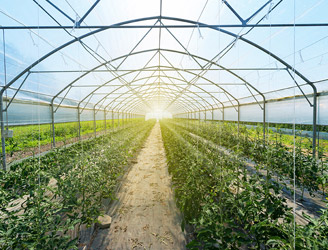
As a greenhouse business owner, you know that your operation’s lifeblood flows through this protective barrier—whether you call it the shell, skin, or film. From plastic greenhouse coverings to glass panels, your greenhouse’s exterior transforms a simple structure into a thriving ecosystem for your crops.
But just as your plants face various growth challenges, the very covering protecting them is subject to its own set of risks. These risks form integral parts of the greenhouse management formula, and understanding them is key to solving for long-term prosperity.
We will examine the five most critical factors in the greenhouse covering risks equation. By dissecting these elements, we aim to equip you with the knowledge to:
- Identify potential threats to your greenhouse covering
- Implement effective risk mitigation strategies
- Optimize your covering’s performance and longevity
- Safeguard your investment against unforeseen challenges
- Wrestle the Wind: Your Greenhouse’s Invisible Foe
Picture this: a gusty day turns into a howling storm, and suddenly your greenhouse is caught in nature’s wrestling match. Wind force is undoubtedly the heavyweight champion when it comes to greenhouse covering risks. Whether you’re sporting a plastic greenhouse covering or a glass greenhouse, wind can be your structure’s archenemy.
For those of you with poly tunnels, you’re probably already nodding in agreement right now. But don’t think you’re off the hook—wind plays no favorites. High winds can cause structural stress, potentially leading to glass panel breakage, compromised seals, or even entire pane displacements.
Pro Tip: Tighten those poly coverings, secure any loose ends, and always—always—close your vents and doors when high winds are on the horizon. Remember, a tight ship is a safe ship, and in this case, your ship is your livelihood.
Don’t just focus on the structure itself. Create windbreaks around your greenhouse. A well-placed row of dense shrubs or a sturdy fence can significantly reduce wind impact.
- Debris: The Unseen Missiles in Your Greenhouse Battle
While wind itself packs a punch, it’s often the debris it carries that lands the knockout blow. Think of wind-borne debris as nature’s missiles, capable of puncturing your plastic greenhouse coverings or shattering your glass panels instantly.
Sure, small damages might seem like mere flesh wounds at first. But, those tiny tears can quickly become gaping holes in your greenhouse shell, inviting all sorts of unwelcome guests to your carefully controlled environment.
Action Items: Conduct regular inspections of your greenhouse covering. Catch those small issues before they bloom into big problems. And while you’re at it, keep your greenhouse surroundings clear of potential projectiles.
Also, invest in a high-quality repair tape specifically designed for greenhouse coverings. It’s like having a first-aid kit for your structure. Quick repairs can prevent small punctures from turning into catastrophic tears.
- Timber! When Trees Become Troublemakers
Now, we get it. That tree line near your greenhouse provides a picturesque backdrop and maybe even some natural windbreak. But those leafy giants can quickly become your greenhouse’s worst nightmare.
Trees don’t just fall in the forest. Sometimes, they fall right onto your greenhouse. And even if they’re not toppling over entirely, those dead branches can become aerial javelin throwers during the next big storm.
Tips: If you’re in the planning stages, consider situating your greenhouse with a healthy buffer from nearby trees. For those of you already nestled near the woods, it’s time to channel your inner arborist. Regularly assess nearby trees for health and potential risks.
Consider installing protective netting or cables above your greenhouse. They can catch falling branches before they make an unwelcome entrance through your roof. It’s an extra expense, sure, but it’s a lot cheaper than replacing an entire section of your greenhouse.
- The Chilling Truth: Cold, Snow, and Hail
Cold temperatures, snow, and hail aren’t just inconveniences—they’re potential wrecking balls for your greenhouse covering. Hail is the obvious troublemaker, pelting your covering like nature’s own game of darts. But don’t underestimate snow. Its immense weight can turn your greenhouse into a pancake.
And for our poly greenhouse comrades out there: aging poly coverings can literally shatter in subzero temperatures.
Our Advice: Invest in a greenhouse design that can handle snow load—think gothic arches and proper gutters. And, keep a close eye on your poly’s age as winter approaches.
Consider installing heat cables along your greenhouse frame. They can prevent snow buildup and ice formation, reducing the risk of collapse. And for those dealing with hail, there are specialized protective meshes available that can be deployed quickly when storms approach.
- The Silent Killer: Time
Time waits for no one, and certainly not for greenhouse coverings. While this might be less of an issue for glass structures, those of you with plastic greenhouse coverings need to keep a watchful eye on the calendar. Whether it’s wind, debris, or even the sun’s rays, everything hits harder when your covering is past its prime.
Time-Sensitive Tip: Mark your calendars and set reminders for regular greenhouse covering maintenance checks. Look for signs of aging like discoloration or brittleness. Trust me, it’s far better to plan a covering replacement on your terms than to have Mother Nature plan it for you.
Don’t just rely on visual inspections. Use a light meter to check the light transmission of your covering regularly. As coverings age, they often let in less light, which can sneakily impact your crop yields. It’s like giving your greenhouse an annual physical—catch the issues before they become problems. And when it is time to replace, consider investing in modern coverings with UV-resistant properties.
Choosing Your Champion: Shell vs. Plastic Greenhouse Coverings
When it comes to types of greenhouse materials, the debate often boils down to shell vs. plastic greenhouse coverings. Each has its pros and cons, and the right choice depends on your specific needs, climate, and budget.
Plastic greenhouse coverings:
– Pros: Cost-effective, easy to replace, good light transmission
– Cons: Shorter lifespan, more vulnerable to punctures and tears
Shell (glass) greenhouse coverings:
– Pros: Durability, excellent light transmission, long lifespan
– Cons: Higher initial cost, more difficult to replace if damaged
Whichever you choose, understanding the risks of plastic in greenhouses or the potential pitfalls of glass will help you make an informed decision and prepare for the challenges ahead.
Don’t get caught up in the either-or mentality. Some of the most successful operations we’ve seen use a hybrid approach. Consider using glass for the main structure and high-quality polycarbonate for end walls or specific sections. It’s like getting the best of both worlds—the durability of glass where you need it most, and the flexibility of plastic where it makes sense. And don’t forget about the new kid on the block—ETFE (Ethylene Tetrafluoroethylene) films. They’re giving both glass and traditional plastics a run for their money in terms of durability and light transmission.
Your greenhouse covering isn’t just a piece of plastic or glass—it’s the barrier between your careful cultivation and the chaos of the outside world. By understanding and preparing for these top risks, you’re not just protecting greenhouse coverings; you’re safeguarding your business, your passion, and your future.
Safeguard Your Growth with
Now, we know what you’re thinking. “I’ve battened down the hatches, trimmed the trees, and kept an eagle eye on my covering’s age. What more can I do?” The answer lies in comprehensive greenhouse insurance—your business’s ultimate safeguard against the unpredictable.
That’s why we offer GreenPro, a comprehensive insurance solution designed specifically for greenhouse growers like you.
Think of GreenPro as the final piece in your risk management puzzle. Because, even with all the precautions in the world, sometimes nature throws a curveball. When it does, you want to be sure you’re not left out in the cold (sometimes literally). Good insurance doesn’t just protect your greenhouse covering—it protects your peace of mind, ensuring that even if the worst happens, your business can weather the storm and come out growing on the other side.
Here’s how GreenPro helps you nurture success:
- Tailored Coverage: Our policies are as flexible as your plastic greenhouse coverings, adapting to your unique needs and protecting against the specific risks to your greenhouse coverings.
- Expert Risk Assessment: Our specialists can help you identify potential vulnerabilities in your greenhouse shell, from wind risks to structural weaknesses.
- Proactive Protection: We provide resources and guidance on greenhouse covering maintenance, helping you extend the life of your investment.
- Swift Response: In the event of damage, our efficient claims process ensures you can repair or replace your greenhouse covering with minimal disruption to your operations.
- Continuous Support: As your business grows, we’re here to help you navigate new challenges, whether you’re expanding your facilities or exploring new types of greenhouse materials.
Next time you evaluate your insurance needs, remember to ask your broker about GreenPro from NIP Group—comprehensive coverage designed to safeguard your greenhouse business.
Contact us to today to learn more about how GreenPro can help you protect your greenhouse business.

