







Picture this.
It’s a few days after a Category 4 hurricane. The power’s still out in parts of town. Roads are blocked.
One of your long-time clients calls, panicked. Their building’s flooded. Inventory is lost. And they’ve just realized that the coverage they declined last year is exactly what they need now.
Scenarios like this happen more often than you think. Because for many business owners, disaster preparedness isn’t on their radar until after the damage is done. It’s rarely intentional; it’s just not something they’ve thought through.
That’s where you come in.
As a broker, your role goes beyond quoting and renewing. You’re often the only person in the room asking, “What if something goes wrong?” And the truth is, that question might be the most valuable part of your relationship with the client.
Preparedness doesn’t have to be complicated. However, it does need to be discussed and guided by someone who understands what risk truly looks like in their industry and region.
In this blog, we’ll talk about how you can help your clients understand disaster risk, identify blind spots, and take real steps toward readiness.
Disaster Preparedness Starts With the Questions You Ask
- What would happen if your building flooded tomorrow?
- Who would you call?
- Where would your team go?
- What would it cost to be shut down for a week?
By leading with questions like these, you assess risk while also helping clients visualize the impact.
Most clients have never created a risk management plan for natural disasters. So, that’s your opening.
You can guide them through:
- Facilitating short planning discussions between departments or partners
- Recommending timeline-based planning (what to do in the first 24, 48, and 72 hours)
- Encouraging leadership teams to designate roles before an event
- Connecting them with planning tools or templates relevant to their industry
You don’t need to be their emergency manager. But if you can start the right conversation, you’re already giving them something they didn’t have before, a sense of control.
What Disaster Preparedness Means for Businesses Today
When your clients think of protection, they usually think of their policy. But when disaster strikes, it’s the disaster preparedness plan (or lack of one) that determines how quickly they can recover.
Here’s what preparedness looks like:
- Knowing evacuation routes and who’s responsible for what
- Having backups for records, equipment, and communication
- Making sure coverage is up to date with their current risk exposure
- Having continuity plans in place for supply chain or facility disruptions
You’re aware of the varying risk. The California Department of Forestry and Fire Protection responded to 2678 wildfires in California in the year 2025. Over the past two decades, at least 40 cyclones have affected the state of Louisiana. Every region comes with its own playbook, and most businesses aren’t reading it.
Helping clients understand disaster preparedness is one of the most valuable ways you can protect their future and strengthen your role as their long-term partner.
Offering the Right Coverage at the Right Time
Once a natural disaster preparedness plan is in motion, coverage decisions become clearer and more strategic.
This is where you can offer real value. Not through a generic package, but by recommending solutions that map directly to the risks outlined in their disaster preparedness efforts.
You can help clients assess:
- Whether business interruption coverage accounts for vendor delays or relocation
- If limits reflect the current value of equipment, property, and materials
- Whether flood, earthquake, or wildfire coverage applies to their location
- If umbrella or excess liability is necessary for exposed sites or seasonal volatility
These are the kinds of conversations that move you from transactional to indispensable. And when preparedness meets program-level coverage, clients feel they can operate with clarity.
Disaster Preparedness Starts With the Right Partner
The more prepared your clients are (ahead of time), the more they’ll depend on the person who helped them get there. That’s you.
We believe brokers aren’t just part of the process. They lead it.
For 35+ years, we’ve partnered with safety-focused businesses and brokers nationwide, providing comprehensive package solutions and monoline insurance for 25+ industries and 50+ classes.
Our industry-specific programs are designed to meet the real-world risks your clients face, especially when disaster is part of the equation. Here are just a few of them:
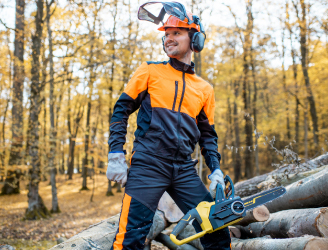
- TreePro for arborists and tree care professionals
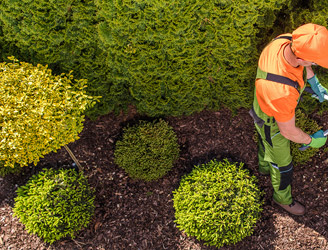
- LandPro is built for landscaping and lawn care contractors
- GrowPro is designed for greenhouse, nursery, and grower operations
- SitePro supports excavation and construction trades
- UtilityPro covers utility contractors with fire and clearance exposure
We also support brokers with tools that go beyond coverage, including the EDGE Series, a curated suite of monoline insurance solutions built around core risk areas like auto, liability, property, umbrella, and workers’ comp.
These give you the flexibility to address highly specific client needs when a full package isn’t the right fit, while still reinforcing your value as a risk advisor.
This is just the start. If your clients need protection that fits how they work and how they prepare, we’re ready to help you match them with the right solution.
FAQs
1. How can I introduce disaster preparedness without sounding alarmist?
Start by asking what-if questions tied to real operational concerns, not worst-case scenarios. Frame disaster preparedness for businesses as part of their continuity strategy. This opens space to talk risk, coverage, and planning without sounding reactive or fear-driven.
2. What should I look for to identify if a client is underprepared?
Signs include missing response plans, outdated contact lists, and no physical or digital disaster preparedness kit. If they don’t know who handles what in the first 24-48 hours post-event, or their coverage hasn’t been reviewed recently, those are key red flags.
3. Can I help clients build a disaster preparedness plan even if I’m not a risk consultant?
Absolutely. You don’t need to draft the plan yourself. Your value lies in initiating the conversation and guiding them toward frameworks, checklists, or vetted planning resources. Many clients just need a place to start and someone to keep them accountable.
4. How often should I revisit disaster planning with clients?
Ideally, once a year or whenever there’s a significant operational change, a new location, new equipment, or regional events that shift their risk exposure. Reframing these check-ins as part of their annual review strengthens your advisory role and shows long-term commitment.