








For most excavation contractors, equipment insurance and inland marine refer to the same protection for their machines. Equipment insurance is the common name for a contractor’s equipment floater, a policy that falls under the inland marine category.
Insurance companies often use one name on the policy, while brokers use the other in everyday talk. In this blog, we answer the question of equipment insurance vs. inland marine and show where this coverage starts and ends.
What Is Inland Marine Insurance?
Inland marine insurance protects business equipment when it is away from your main location.
A standard property policy covers equipment stored at your yard or shop. Once a machine leaves that address, that protection usually ends. Inland marine picks up from there and covers the machine:
- On a trailer, traveling between sites
- At a jobsite, including nights and weekends
Your machines work away from the yard most days, so this coverage belongs in any solid excavation business insurance plan.
Must Read: Heavy Equipment Maintenance Tips for Excavation Businesses
Is Equipment Insurance the Same as Inland Marine?
Yes, in practice, they are one policy, so you do not need to buy both for your machines. On the declarations page, which summarizes your policy, the floater usually appears as a contractor’s equipment form under inland marine.
Since one sits inside the other, the difference between equipment insurance and inland marine comes down to scope. Inland marine is the wider category and can cover many kinds of property in transit. The floater narrows that protection to the machines your crews depend on every day, such as:
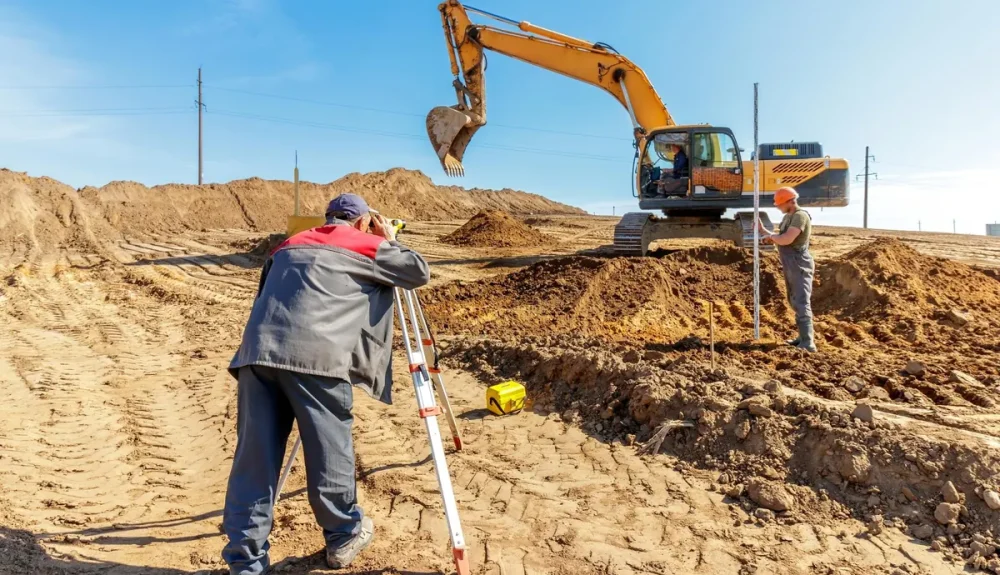
- Excavators, dozers, backhoes, and loaders
- Attachments such as buckets, hammers, augers, and thumbs
- Rented or leased machinery, which is usually added through an endorsement
The more machines you run, the more your floater’s schedule matters. Listing each unit at its correct value is the groundwork for protecting your fleet of excavation equipment.
What Does a Contractor’s Equipment Floater Cover?
A contractor’s equipment floater covers the cost of repairing or replacing your machines after a sudden, accidental loss. In the equipment insurance vs. inland marine discussion, the name matters less than the losses the policy pays for. Most floaters respond to:
- Theft from a jobsite or a parked trailer
- Fire at the jobsite or in storage
- Collision or overturn while hauling between sites
- Vandalism during nights and weekends
Choosing the right excavator equipment coverage starts with knowing which of these risks your sites face most. Owned equipment is covered once each machine is listed on your policy. Rented units need an endorsement, since many rental contracts make you responsible for the machine until it goes back.
Must Read: Excavation Insurance for Contractors: What Changes When Your Business Grows
What Won’t the Either Policy Cover?
Neither policy covers mechanical breakdown caused by wear and tear or poor maintenance. Both are built for outdoor events, such as theft or a trailer rollover. If a hydraulic pump wears out with age, the floater won’t pay, since insurance companies treat that as routine upkeep.
That is where a separate equipment breakdown policy comes in. It covers sudden internal failures, such as an electrical short or a burst hydraulic line. Ask your broker whether it makes sense for your fleet.
How Does Equipment Coverage Fit Into Your Excavation Business Insurance?
Equipment coverage is one layer of your excavation business insurance, and it only protects the machines themselves. It won’t respond if your crew cracks a client’s water line or a worker gets hurt in a trench. Those claims fall under general liability, workers’ comp, commercial auto, and pollution liability. Each policy handles a different exposure, so a gap in one leaves real costs on your books.
That is why comprehensive coverage for contractors works best when you plan it alongside the rest of your policies.
Once the equipment insurance vs. inland marine question is settled, the next step is closing those gaps. SitePro does exactly that by bringing inland marine and liability coverage together in a single program for excavation contractors.
It is further backed by an insurance company rated A+ (Superior) by A.M. Best, an independent credit rating agency. In plain terms, that grade means it has a superior ability to pay claims and honor its financial commitments. So, either ask your broker to sign you up for SitePro or contact us directly to review your equipment and liability coverage.