







Summary
- Storm damage creates urgent tree work that carries far more risk than routine jobs.
- Preparing your crew, gear, contracts and coverage in advance keeps that work under control.
- This blog covers the storm response steps every tree service should plan before storm season.
The best way to handle storm work is to plan for it before the storm arrives. Once the wind dies down, emergency calls leave little room for careful decisions. Homeowners want fallen trees off their roofs the same day, so your booked jobs get pushed back.
That rush of urgent work is now big enough to be tracked on its own. In its September 2026 update, Business Research Insights lists emergency tree services as a separate segment. That segment sits within a global tree care market valued at USD 83.36 billion for 2026. For a storm response tree service, winning a share of that work comes down to preparation.
So, this blog explains how to build a storm response plan along with the coverage that protects it.
Must Read: Never Do This When Cutting Down a Tree: 9 Mistakes That Get Crews Hurt
Why Is Storm Response Riskier Than Routine Tree Work?
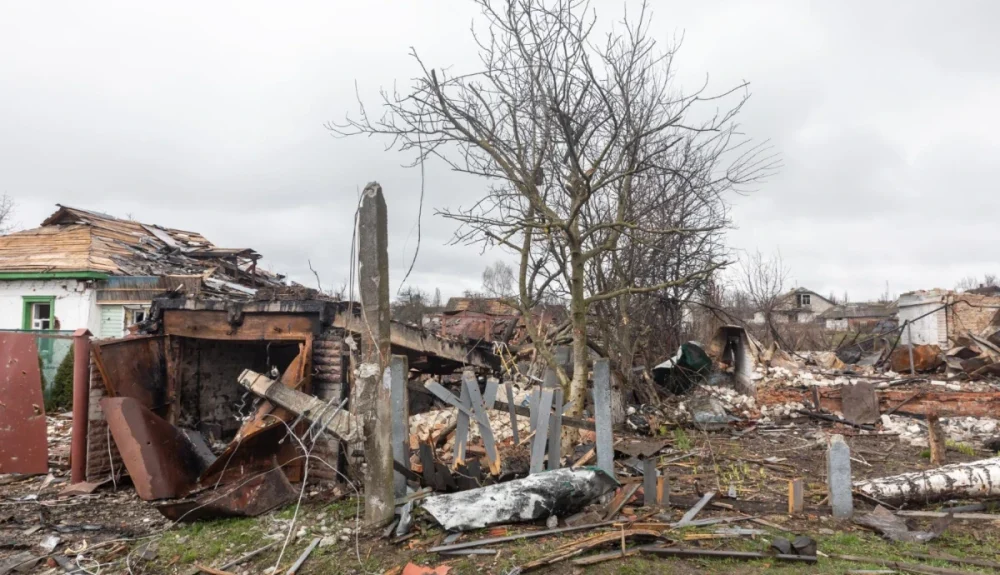
Storm response is riskier because the storm sets the working conditions before your crew shows up. On a regular removal, you pick the day and plan every cut around a standing tree. After a storm, many trees have already snapped or fallen onto something.
That changes the hazards you need to watch for:
-
Unstable trunks
A trunk resting on a roof can roll or drop the moment you start cutting. When it does, the damage to the home only gets worse.
-
Live power lines
Never assume a downed line is dead, as the one caught up in fallen branches can still carry enough current to kill.
-
Spring-loaded limbs
Branches pinned under weight store energy like a bent bow. One wrong cut can release it with enough force to break your bones.
-
Worker fatigue
Calls often come one after another, so your crew may face all of these hazards long after a normal workday would end.
This workload is unlikely to ease, since hurricanes and floods hit North America often. That is one reason Grand View Research found the region held 33% of the natural disaster management market in 2025. For tree service providers, that means more emergency work and more risk. So, if your policy was built around routine pruning, it may not fully cover those jobs.
What Should Your Storm Response Plan Include?
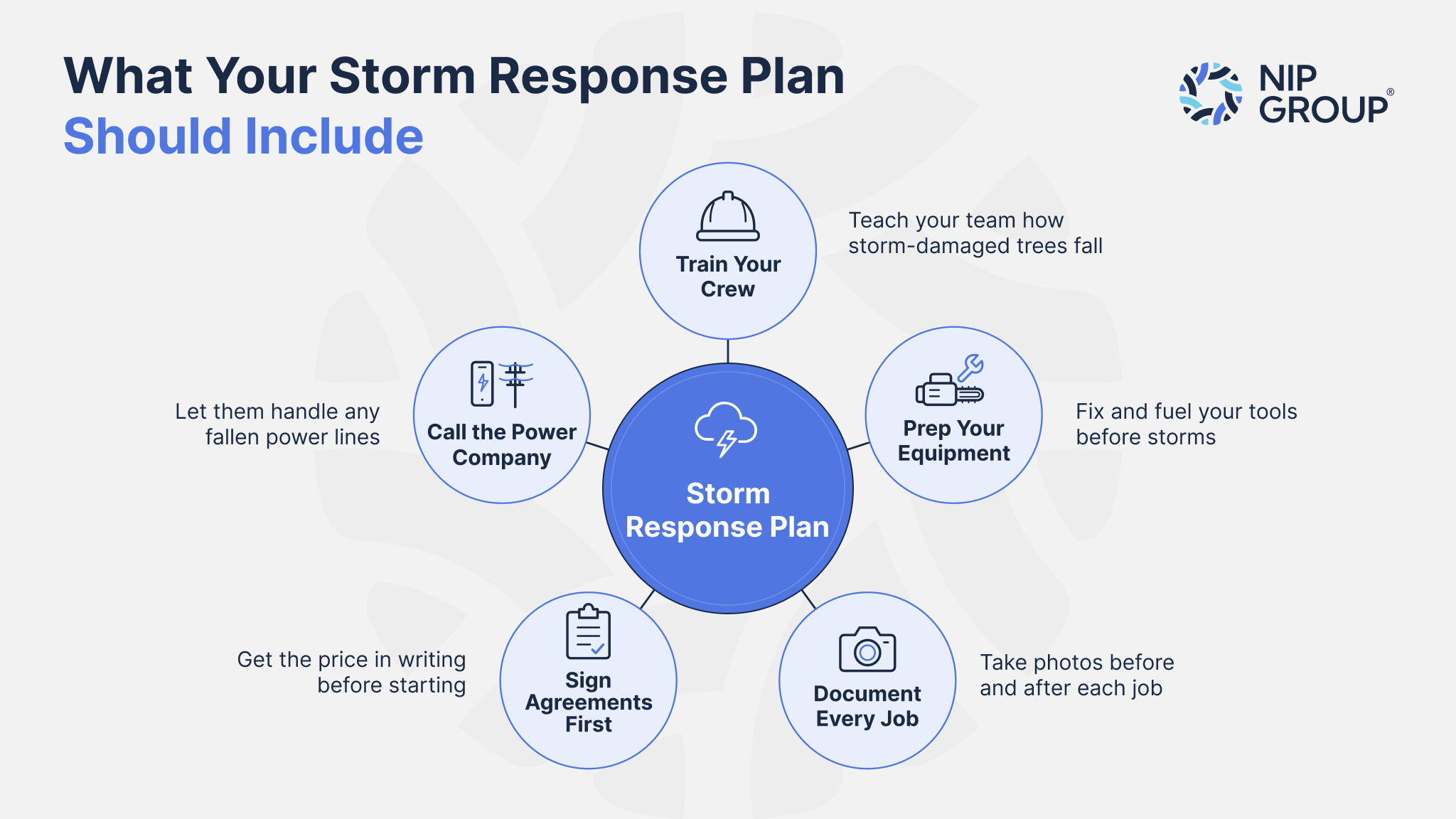
A good storm response plan gets four parts of your business ready before demand spikes. Business Research Insights notes these spikes can come without warning, so cover each area below in advance:
Crew Readiness and Storm Training
Train your crew for storm work before the first call comes in. Storm-damaged trees don’t behave like healthy ones, so, a bent limb can have enough force to whip back once your saw frees it. Teach your team to read that tension and make relief cuts first.
Since power lines also need a clear rule, decide who can work near them. Keep everyone else back until the utility gives the all-clear. Shift limits also deserve the same attention. Storm weeks run long, and tired workers slip more often, so rotate crews whenever you can.
Staging and Backup of Equipments
Get your tree cutting equipment storm-ready while the weather is still calm. Once a storm hits, repair shops fill up fast, and a broken saw can sit in line while calls pile up. So, take care of these basics early:
- Service and fuel early: Tune up your saws and chippers now, and keep every tank full.
- Keep spare parts on hand: A spare chain costs little. Running without one can leave an entire crew standing idle.
Storm work also keeps your gear on the move. Saws and chippers travel between far more sites than usual, so the odds of theft or damage go up. That is where the inland marine coverage comes in through the right tree service insurance. It protects your tools and equipment while they’re in transit.
Job Documentation
Photos and records are your best protection if a client questions your work later. Take a few before you touch a storm-damaged tree, and more once the job is done.
Side by side, they show what the storm broke and what your crew handled. That way, if a homeowner blames you for a cracked patio weeks later, you aren’t arguing from memory. Keep time logs and short site notes, too. Your insurance company will likely ask for them if a claim comes in.
Must Read: Electrical Safety Rules for Tree Trimming Professionals
Written Emergency Agreements
Every storm job should start with a signed agreement, even when the homeowner wants you on site right away. A rushed start can lead to billing disputes, so cover these points:
- Pricing: Quote your rate before the first cut. A homeowner who knows the number upfront is far less likely to dispute the bill later.
- Scope of work: Write down which trees come out and whether cleanup is included.
- Terms of payment: Some homeowners won’t pay until their insurance company does. Agree on a due date in writing so your cash flow isn’t stuck waiting on their claim.
- Signed approval: Check that the person signing owns the property. A tenant, for example, may not have the right to approve a tree removal.
Coordination With Utilities and Local Officials
Leave downed power lines to the utility company unless your crew is trained for line clearance. Build contacts with your local utility and city public works office before storm season starts. Knowing who to call helps you report downed lines quickly and get the go-ahead to start work. It also keeps your crew away from tasks they aren’t trained or insured to handle.
What Your Storm Response Plan Should Include
Should a Storm Response Company Take Out-of-Area Work?
A storm response company can take out-of-area work after a few quick checks. Big storms often leave more work than local crews can handle. Taking on that work means operating under new licensing and coverage rules, so check these points first:
- Commercial auto: More highway miles mean a higher chance of a crash. Make sure every truck and driver on the trip is on your policy.
- Policy territory: Some policies only cover work in certain states, so, ask your broker whether your coverage goes where your crew goes.
- Local licensing: Different states and cities might require their own contractor license. A call to the local office can save you a shutdown mid-job.
If you hire local subcontractors, ask for their certificates of insurance before work starts. Otherwise, an injury on their crew could land on your business.
Is Your Storm Response Coverage Ready for the Next Storm?
Your coverage is ready when it matches the risks of storm jobs. TreePro is designed around those risks for tree care businesses. It covers:
- General liability
- Commercial auto
- Workers’ compensation
- Inland marine
- Umbrella liability
- Contractors’ pollution liability
With no height limitations, your crew can work wherever a storm-damaged tree takes them.
The program is also backed by an A+ rated insurance company which means it is in a strong financial position to pay your claims. This matters most after a storm, when your jobs carry your most risk. With TreePro behind your storm response work, you can take more calls without risking your business. Ask your broker to sign you up for TreePro, or contact us directly to get a quote for your tree care business.
FAQs
1. When should I start preparing for storm season?
Start preparing for storm season a few months before hurricane season opens. A simple timeline looks like this:
- Early spring: Meet with your broker to confirm your coverage limits fit the size of storm jobs you plan to take.
- Late spring: Get your saws and chippers serviced, and run refresher training so your crew is ready for storm conditions.
- Before June: Update your contacts at the local utility and city office so you know who to call when lines go down.
2. Do I need a certified arborist on my storm crew?
No, in most states, you don’t need a certified arborist on a storm crew. That said, having one on your team makes a difference on damaged trees, where judging what’s safe to cut takes experience. Some cities and commercial clients also look for certified crews before handing out emergency contracts.
3. How should I price storm response services fairly?
You can price storm response services higher than routine work, as long as the increase is justified. Tie your rates to real costs like overtime and heavy rigging, and share them upfront. Also check your state’s price gouging laws, which often apply during declared emergencies.
4. What can we do to reduce the impact of hurricanes?
You can reduce the impact of hurricanes by preparing your clients’ trees before storm season. Offer these services early:
- Deadwood removal: Dead branches break easily and land on roofs.
- Crown thinning: Fewer branches let strong winds pass through the tree.
- Risk checks: Spot leaning or decaying trees and remove them early.