






Tree service insurance covers the people, property, vehicles, and equipment your business puts at risk on every job. That protection matters most in storm season, when downed trees can keep crews busy for weeks. Longer workdays and packed schedules give a falling limb more chances to land in the wrong place. In this blog, we break down seven things your tree service insurance should cover.
What Does Tree Service Insurance Cover on Every Job?
On every job, tree service insurance starts with four core coverages that protect your clients, crew, trucks, and business.
1. General Liability for Damage to Client Property
General liability pays when your work damages a client’s property or injures someone who isn’t on your crew. A limb that crashes through a client’s roof or flattens a fence is a common example. Most commercial clients ask for proof of tree service general liability insurance before your crew sets foot on site.
2. Workers’ Compensation for Crew Injuries
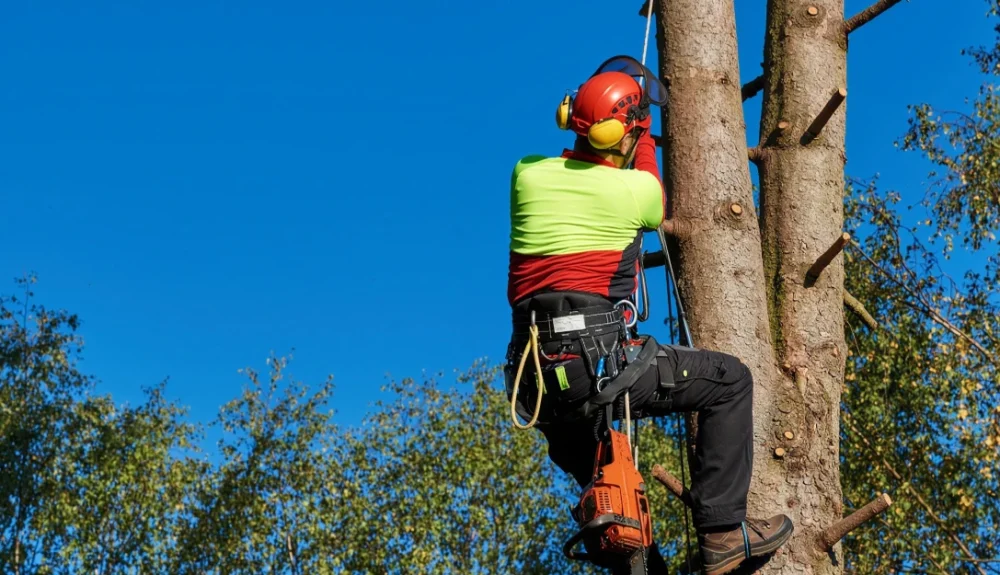
Workers’ compensation pays medical bills and lost wages when one of your employees gets hurt on the job. The most common claims in tree work come from:
- Falls from a climb or an aerial lift
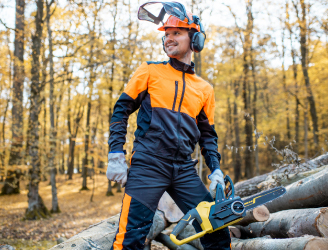
- Chainsaw cuts and kickback injuries
- Hands or sleeves pulled into a chipper
- Crew members struck by falling limbs
Most states require it as soon as you hire help.
3. Commercial Auto for Trucks and Trailers
Commercial auto covers accidents involving the trucks and trailers your business uses for work. That includes bucket trucks moving between jobs and trailers hauling heavy gear and debris. Personal auto policies usually exclude vehicles used for business, so they won’t step in.
4. Commercial Property for Your Shop and Yard
Commercial property covers your business building and the tools stored inside it. For most tree services, that means a home office or a storage yard. If a fire damages the shop, this coverage helps pay to repair it and replace what was lost.
Must Read: Tree Cutting Equipment Every Contractor Needs (What Really Works in 2026)
What Extra Coverage Does a Tree Service Business Need?
Most tree service businesses need three add-ons on top of the core four. Each one closes a gap that basic tree service insurance leaves open.
5. Inland Marine for Equipment on the Move
Inland marine covers theft or damage to your equipment in transit and on the job site. Chainsaws, chippers, stump grinders, and climbing gear travel between sites every day, often in open trucks. If any of it is stolen or damaged, this coverage helps you replace it and get back to work.
6. Umbrella Liability for Claims That Outgrow Your Limits
Umbrella liability pays for claims that go past your general liability limit. That matters in large removals, where one tree through a roof can lead to repair bills and a lawsuit. Higher limits also qualify you for utility and commercial contracts that require them.
7. Pollution Liability for Spray and Spill Claims
Pollution liability pays for cleanup and injury claims caused by chemicals or fluids from your work. In tree care, the risk usually comes from:
- Pesticide drift or herbicide misapplication that damages nearby plants
- Hydraulic fluid spills from lifts or grinders on client property
Many general liability policies exclude these claims, leaving the cleanup cost with you.
Must Read: Never Do This When Cutting Down a Tree: 9 Mistakes That Get Crews Hurt
How Can You Get All Seven Coverages in One Program?
TreePro brings all seven coverages together into a single tree service insurance program built for tree care businesses. Having everything in one place also means one specialized claims team to call when a storm job goes wrong. TreePro also covers specialized work like tree risk assessments and utility line clearance, with no height limits. Moreover, with an “A+” rating from A.M. Best, TreePro’s carrier has a superior ability to pay claims when they come in. Ask your broker to sign you up for TreePro. Or, contact us to learn more.