




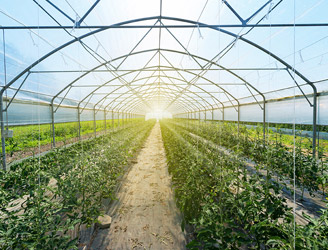



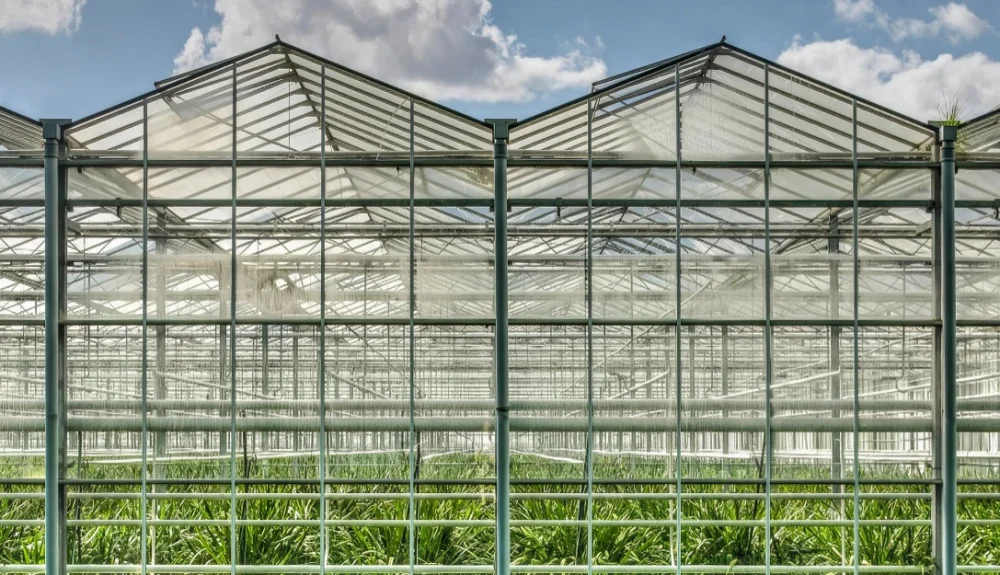
Yes, you can insure a greenhouse structure, whether it’s covered in glass or plastic. Most standard property policies, however, offer little protection unless you add coverage built for growers. That gap matters most as fall turns to winter, when snow and ice put the heaviest load on frames and panels.
For a commercial grower, one collapsed house can mean lost plants and weeks of missed sales. In this blog, we explain where standard policies fall short and how your coverage material changes the coverage you need.
Must Read: How to Value Growing Stock for Greenhouse and Nursery Insurance
Does a Standard Business Policy Cover Your Greenhouse?
In most cases, a standard policy covers a greenhouse only partially, if at all. Standard homeowners and basic commercial property policies often classify a greenhouse as a detached outdoor structure. That usually means an outright exclusion or a limit too low to rebuild.
So, to protect your greenhouse structure properly, you will typically need one of these routes:
- A specific endorsement that adds the greenhouse to your current property policy at a limit matching its rebuild cost
- A dedicated farm policy that covers the greenhouse alongside your other farm buildings and equipment
- A specialized commercial greenhouse program built around the way growers operate
A specialized program closes these gaps by insuring framing and glazing at replacement cost. After hail or snow damage, you rebuild with like materials at today’s prices, with no deduction for age. That applies to glass and polycarbonate alike, as well as heaters and ventilation fans. Proper structure coverage is one of the many reasons greenhouse insurance is non-negotiable for growers.
How Does Your Covering Type Change Your Coverage?
Your coverage type decides which weather risk your insurer worries about most, and that shapes the coverage your policy needs. Each material has its own weak spot, so the right policy looks a little different for each one.
Glass
Hail is the biggest threat to a glass greenhouse, since one storm can shatter panes across an entire roof. Repair bills climb fast once you add labor and the crop damage that follows an open roof. If you live and grow in a hail-prone area, check that your policy has no low sublimit on glass breakage.
Poly Film
Wind is the main concern with poly film, because strong gusts can get under the sheets and lift or tear them. Films also wear out and usually need replacing every few years. For that reason, some policies only pay their depreciated value. This may fall well short of the cost of a new film. Ask your broker how film replacement is valued before a claim puts it to the test.
Polycarbonate
Polycarbonate panels withstand hail far better than glass, which makes them popular with commercial growers. Their weak spot is weight, since heavy, wet snow can bow the panels and strain the frame underneath. Your policy still needs to cover snow-load damage for that reason.
Each of these weak points ranks among the top risks for greenhouse coverings, so it’s important to look for them before your next renewal.
Must Read: Greenhouse Technology in 2026: What’s New and What It Means for Your Coverage
What Else Do Insurers Check Before Covering a Greenhouse Structure?
After the coverage, insurers look at how your structure is anchored and what your policy leaves out.
- Foundation type: A greenhouse structure permanently secured to concrete or masonry usually earns better rates. It also tends to qualify for broader coverage, including collapse from ice or snow.
- Weight-of-ice or snow exclusions: Some policies exclude collapse caused by the weight of ice or snow. If yours does, ask your broker about adding a specific rider before winter arrives.
Which Policy Fits Your Greenhouse Operation?
The right policy depends on your operation’s size and how much of your revenue comes from the greenhouse.
Commercial growers need a comprehensive greenhouse property policy that includes equipment breakdown and crop coverage. If a heater fails on a freezing night, equipment breakdown coverage pays to repair it. Crop coverage then pays for the plants lost before repairs were made.
Smaller operations, like farm stands or backyard growing businesses, can often use a farm owner package with a greenhouse endorsement. Check that the endorsement limit covers a full rebuild. As you add houses or wholesale accounts, a full greenhouse insurance program usually becomes the better fit.
GrowPro is one of them, with greenhouse business insurance matched to your greenhouse structure. It places structure and equipment breakdown in one program, with crop coverage built in. GrowPro is also backed by a carrier rated “A+” (Superior) by A.M. Best. This means that the carrier is financially strong and well-positioned to pay covered claims. Ask your broker to sign you up for GrowPro, or contact us for a coverage review before winter.