








Regulatory pressure is rising and infrastructure threats are evolving. If your liquid petroleum gas insurance still resembles a 2020 policy, you’re exposed in ways you can’t afford.
So, what is your LPG insurance really protecting?
If you’re relying on standard commercial coverage, probably a lot less than you need.
Maybe it pays out after a spill.
- But does it account for equipment failure during loading?
- For environmental fallout that spreads beyond your site?
- For ransomware attacks on your computer systems?
- For the months of business interruption that follow a regulatory shutdown?
If not, then you’re not covered.
This guide explains what LPG insurance should cover and how to create protection that fits the real risks your business faces.
What Makes LPG Insurance Different From Standard Commercial Coverage
Every aspect of your operation carries unique exposures that standard commercial policies simply weren’t designed to handle. When was the last time a typical business had to worry about vapor clouds or hazmat spills during routine deliveries?
Standard commercial insurance operates on assumptions that don’t apply to your world. Your reality is different.
Running a liquid petroleum gas business means managing high-stakes risk, day in and day out.
Fire and explosion risks are obvious. But the events that quietly drain your balance sheet and derail operations often come from less dramatic places.
Here’s why LPG operations demand more than just generic coverage.
Product risks that standard policies don’t cover
While other businesses worry about slip-and-fall claims, you’re managing substances that can explode at any given moment.
A worn gasket can fail during a delivery, leading to gas escaping and vapor forming. This could result in an evacuation with flashing lights. Cleanup is just the start, as you may also face OSHA or EPA investigations and possible lawsuits from nearby businesses.
The math gets ugly fast:
- Loading arm replacement & labor: $15,000–$35,000
- Environmental cleanup & air monitoring: $75,000+
- Regulatory fines (EPA, DOT, state authorities): $50,000–$100,000
- Legal fees, customer refunds, PR support: easily 6 figures+
That’s not even including the downtime.
Many general liability or property insurance policies may not cover all damages from such an event. They might pay for replacing the damaged part, but you’ll be responsible for lawsuits, fines, and refunds.
Your risks travel beyond traditional boundaries
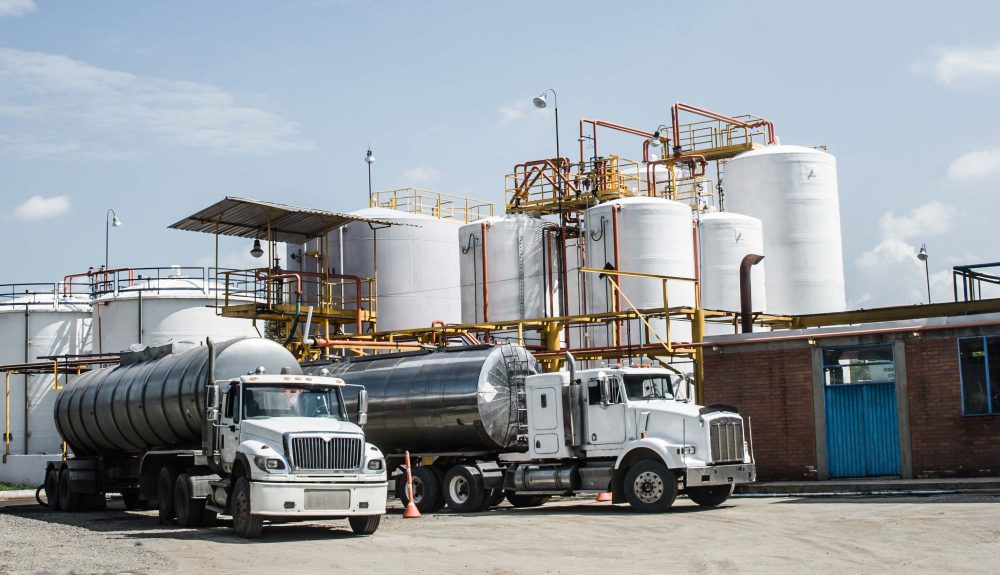
Every time your trucks hit the road, you’re managing a mobile chemical plant. Yet many companies still rely on standard commercial auto policies that weren’t designed for this reality. Most policies fall short in key areas:
- Accidents during transfer or unloading
- Cross-contamination or misdelivery
- Hazmat-specific clean-up costs
- Third-party environmental damage
Your digital infrastructure makes you a prime cyber target
The Colonial Pipeline attack proved that energy infrastructure (including smaller distributors and retailers) sits squarely in hackers’ crosshairs. Your SCADA systems, fleet tracking software, inventory databases, even your digital dispatch tools; they are all potential points of entry.
It doesn’t take much. One breach, and suddenly you’re dealing with halted ops, corrupted data, regulatory scrutiny, and potential lawsuits.
Most general business policies exclude cyber events or provide minimal limits. LPG operations require tailored cyber coverage that accounts for breach response and supply disruptions.
What Liquid Petroleum Gas Business Insurance Should Cover in 2025
These are the foundational coverages every LPG business needs.
1. Infrastructure and equipment coverage that reflects reality
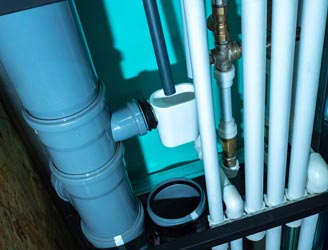
Protection for specialized LPG infrastructure such as tanks, compressors, vaporizers, meters, and transfer/loading systems, both during storage and active use.
Comprehensive coverage needs to address:
- Above and below ground tanks
- Transfer systems and piping
- Equipment in active use
- Replacement at operational value, not depreciated cost
2. Liability protection that matches the complexity of your risk
You need liability coverage for third-party injury or property damage that:
- Covers bodily injury and property damage across all operational contexts: retail, residential, commercial, and industrial
- Accounts for delivery errors, and equipment malfunctions at customer sites
- Doesn’t leave gray zones around subcontractors, leased vehicles, or third-party service calls
3. Environmental liability beyond sudden events
If your policy only activates when sirens are blaring, it’s PR damage control. Comprehensive environmental coverage should include:
- Gradual and long-term contamination, not just sudden incidents
- Offsite migration of pollutants (e.g., gas or odor impacting adjacent properties)
- Coverage for soil testing, groundwater remediation, and extended legal defense
4. Business interruption that reflects your operating model
Liquid petroleum gas operations aren’t 9-to-5. They’re seasonal, regional, weather-sensitive, and dependent on everything from supply routes to tank truck availability. Traditional BI policies often fail to reflect that complexity.
Robust BI coverage should:
- Account for partial slowdowns, not just full shutdowns
- Include income loss tied to supplier disruption, not just physical damage
- Reflect seasonal revenue curves; because a two-week delay in January isn’t the same as a two-week delay in July
5. Product liability that follows the gas
When LPG leaves your custody, the liability doesn’t. If there’s a misdelivery or a contamination issue, you need coverage that travels with it.
A complete product liability policy should include:
- Damage caused by incorrect fuel mix, pressure errors, or residue
- Third-party claims from faulty installations or servicing, even if subcontracted
- Provisions for recall-like events across multiple sites or clients
6. Commercial auto that understands hazmat
You’re not delivering boxes. You’re delivering highly pressurized, flammable gas in vehicles that double as rolling hazmat zones.
Your biggest risk happens after the engine shuts off, your auto coverage needs to follow you there.
A typical commercial auto policy doesn’t capture the unique exposures of LPG transport.
Look for policies that include:
- Transfer-related incidents during delivery
- Hazmat spill cleanup, towing, and containment
- Protection for driver error, connection failure, or valve malfunction at a client site
7. Cyber liability for ops infrastructure
LPG companies aren’t immune to ransomware or digital compromise. In fact, your systems are prime targets. One breach can halt your business in hours.
Modern cyber protection should address:
- Business interruption caused by digital shutdowns
- Data breach and ransomware response
- Recovery for lost access to operational systems and regulatory records
Your LPG Business Deserves Insurance Built for Your Reality
You’ve seen how standard policies fail under real LPG pressure. The only question left is what you’ll do with this knowledge.
The LPG industry is getting more complex. New regulations and new technologies create risks that didn’t exist five years ago. And with every change, the cracks in generic insurance get wider.
Off-the-shelf policies weren’t built for LPG operations. You need coverage written for the realities of this business.
That’s exactly what PropanePro delivers. 35 years of lessons built into a single program. PropanePro is protection built specifically for your world:
- LPG loading equipment failures
- Environmental contamination from gradual leaks and sudden releases
- Business interruption policies
- Misdelivery coverage
- Transportation incidents with proper hazmat coverage
- Product liability for gas quality issues
- Cyber attacks targeting your systems
Don’t wait for an incident to discover what your current policy won’t cover.
Talk to your broker today about PropanePro.
FAQs
Q: What is liquid petroleum gas insurance coverage, and how does it differ from standard commercial insurance?
Liquid petroleum gas insurance covers the real risks of your operation, including loading incidents, vapor leaks, contamination, cyberattacks, and regulatory shutdowns. It’s built to respond to failures across infrastructure, delivery, and compliance, not just property damage or accidents.
Q: How does insurance handle claims related to liquid petroleum gas loading equipment failures?
A strong policy will cover equipment breakdown, service disruption, site cleanup, and even environmental fallout. The best ones also include legal defense and income loss tied to the downtime, not just the hardware itself.
Q: Are cyber attacks on liquid petroleum gas facilities covered by standard business insurance?
Cyber liability for LPG operations should cover ransomware, operational shutdowns, lost access to systems, and regulatory fallout. Most basic plans exclude this, so you need protection that specifically targets your tech infrastructure.
Q: Does liquid petroleum gas insurance cover gradual environmental leaks or only sudden incidents?
Specialized LPG policies should cover both sudden leaks and long-term environmental damage, like vapor seepage, soil contamination, or odor issues that emerge over time, along with extended legal defense and third-party claims.