










“High-risk industries already contend with above-average insurance costs. WorkCompEdge™ not only provides the monoline workers’ compensation coverage tailored to high-risk industries but also a specialized risk management and safety training platform to help reduce accidents, claims, and ex-mods.”
– Thomas Doherty, SVP of Programs
As one of the few types of insurance coverage required by almost every state, workers’ compensation is also one of the most complicated parts of a commercial policy. Coverage, claims, risk factors, and pricing can make it difficult for brokers, insurers, and clients to strike the right balance. To evaluate a company’s workers’ comp risks, insurers use Experience Modification Ratings (EMRs). A business’s EMR is based primarily on its recent claims history, and on the risk levels associated with your industry. A higher-risk industry tends to have a higher EMR; a company with multiple claims will notice its premiums increase due to its EMR rising. That’s why proactive risk management is not only one of the most effective risk management solutions but also one of the best EMR reduction strategies.
How Brokers Can Guide Clients Toward Lower Premiums
Risk management techniques for high-risk industries are all about finding ways to help protect employees from accidents and injuries. Though accidents are sometimes unavoidable, preparing, training, leveraging technology, and complying with regulatory requirements can help reduce the risk of accidents and go a long way toward keeping premiums under control.
Encourage a safety-first state of mind
According to a National Safety Council survey, one in three employees felt their employers prioritized productivity over safety. Creating a robust safety training program and conducting regular audits are important safety-first strategies for contractors and high-risk businesses. However, encouraging workers to make safety their number one priority will help bring these policies to life and promote lasting change that can help further reduce risks. Encouraging a safety culture every day may not seem significant, but when safety becomes a part of a company’s identity, it can help deter accidents. And when the goal is to reduce a company’s EMR, avoiding a single accident can make a significant difference.
Promote regulatory compliance
Regulatory requirements are sometimes thought of as costly, time-consuming headaches, but the reality is that they can be useful tools in helping companies proactively manage risk. Adhering to standards from the Occupational Safety and Health Administration (OSHA) and state regulators not only helps companies avoid fines but also promotes a safety culture within an organization. Companies that consistently comply with workplace health and safety standards tend to experience fewer injuries and fatalities. Fewer injuries result in fewer claims which, over time, can lower EMRs.
Provide industry-specific training and ideas for creative safety programs
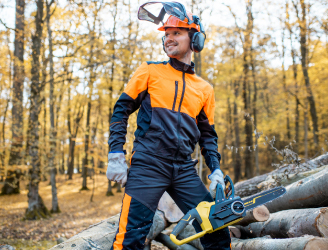
Brokers who specialize in protecting businesses in high-risk industries can help their clients reduce EMRs by providing industry-specific training and safety programs. Employees and contractors should have adequate job-specific training, along with general safety training. If machinery, tools, or chemicals are used on the job (such as in the case of utility workers, tree care professionals, or janitors), or if workers are operating in a hazardous area, additional training should address these specific risks. Companies seeking alternative risk management techniques should also consider more creative safety programs and incentives, such as an employee-run safety committee and bonuses or awards tied to safety performance.
Leverage technology
Technology is one of the most helpful tools to track and mitigate risks. In turn, this can reduce claims and a business’s EMR. Predictive analytics are growing in popularity among businesses that use these technologies to identify high-risk situations, employees, and trends. Another emerging technology that workers in high-risk industries can use is augmented reality, such as smart glasses. These glasses can help increase workers’ productivity and safety through voice commands and remotely connecting workers with experts on the job in real-time. In tandem with other technologies such as drones, remote sensors, and video monitoring, these AI-driven tools and insights can help with experience modification rate reduction through prevention.
How WorkCompEdge Supports Brokers and Clients and Reduces Claims
One of the main obstacles for high-risk industries seeking comprehensive insurance coverage is finding a broker who understands the nuances of their business and offers customizable risk management solutions. NIP Group’s WorkCompEdge™ offers monoline workers’ compensation for high-hazard industries, along with tailored risk control services.
Specialized safety training for high-hazard industries
With a specialized safety training platform, WorkCompEdge equips companies in high-risk industries to avoid accidents and claims, helping lower EMRs and workers’ comp premiums. NIP Group’s innovative risk controls platform offers access to world-class online training and education, including the ability to track live trainings and access additional safety resources. Companies can also use the system to help create policies, procedures, and guidelines on best practices, and to record and track employee trainings.
Experienced claims team and medical provider network
While every broker, business, and employee seeks to avoid accidents and injuries on the job, it’s important to feel confident in your insurance partners and to know they’ll handle claims professionally. NIP Group’s seasoned claims team understands the nuances of these specialty classes, and together with an extensive medical provider network, possesses the skills and knowledge to navigate complicated workplace injuries.
Conclusion: Prevention is the Best Cure
When it comes to reducing a company’s EMR, prevention is the best cure. That’s why WorkCompEdge focuses on helping businesses in high-hazard industries steer clear of accidents, claims, and EMR surcharges. Brokers who recognize the challenges of high-risk businesses and can provide tailored risk management solutions already possess an advantage over their competition. With WorkCompEdge, you’ll have the backing of a company with 30+ years of experience specializing in high-hazard industries, from grading and excavation to utility work and window washing.
To learn more about NIP Group’s monoline workers’ compensation coverage and the 50+ eligible classes, visit the WorkCompEdge web page today.
Don’t forget to download our safety protocol checklist for high-risk industries to share with your clients!

