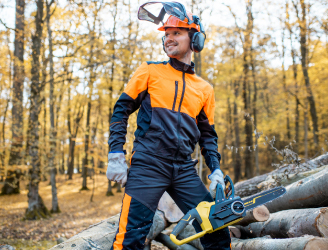








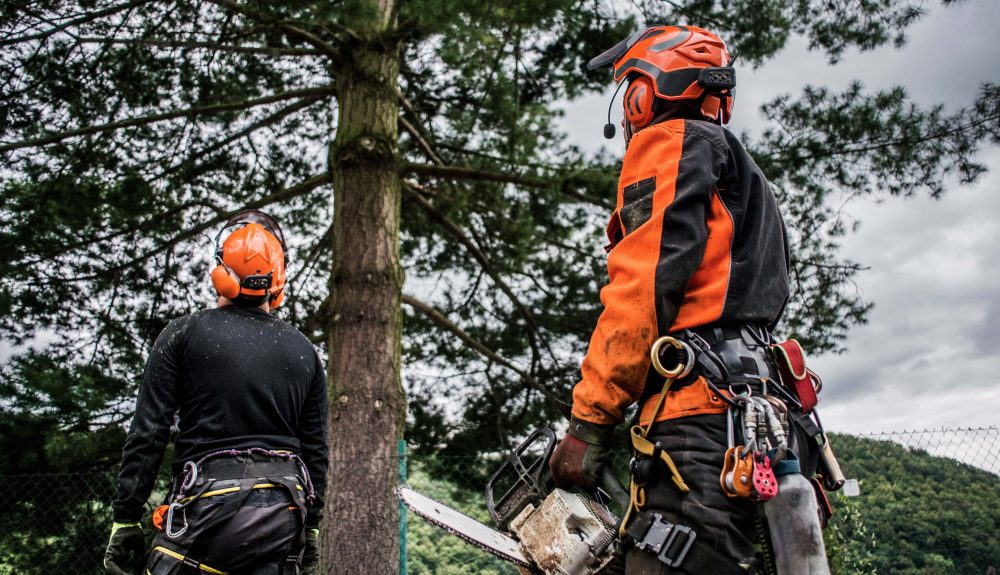
When that 80-foot oak comes crashing down in an unexpected direction, the difference between business as usual and financial disaster often comes down to one thing: proper tree service insurance.
We’ve seen how the right coverage saves businesses while inadequate policies sink others. In this Q&A, we’re answering the insurance questions you should be asking—even if you don’t know to ask them yet.
Understanding Tree Service Insurance Basics
Q: What makes tree service insurance requirements different from general landscaping coverage?
A: Tree service work involves unique hazards that standard landscaping policies often don’t adequately cover. When you’re dangling 30 feet in the air with chainsaws near power lines and structures, your risk profile shifts dramatically.
As a tree care professional, you need specialized coverage that accounts for:
- Aerial operations and climbing risks
- Heavy equipment like bucket trucks and chippers
- Proximity to valuable property and structures
- Specialized tools that require specific coverage
Q: What insurance liability coverages should every tree service business have in place?
A: At the very least, you should secure these fundamental protections:
- General Liability: This is your first line of defense against third-party claims for bodily injury or property damage.
- Commercial Auto: Your trucks and service vehicles face different risks than personal vehicles. When you’re hauling heavy equipment or traveling between multiple job sites daily, standard auto policies won’t provide adequate protection.
- Workers’ Compensation: Tree work ranks among the most dangerous professions. When your crew is operating chainsaws while suspended from ropes, comprehensive workers’ comp isn’t optional—it’s essential.
- Equipment Coverage: Your chippers, stump grinders, and specialized tools represent substantial investments. Protecting this equipment against theft, damage, and breakdown ensures business continuity.
- Professional Liability: When clients rely on your expertise about tree health, removal recommendations, or preservation strategies, this coverage protects you if your professional advice is questioned.
Coverage Gaps & Common Mistakes
Q: What are the most commonly overlooked exposures in insurance for tree service businesses?
A: These critical gaps frequently leave businesses exposed:
Herbicide/Pesticide Application: Many tree pros don’t realize their general liability policies may exclude pollution claims arising from chemical applications. If you’re treating trees for diseases or insects, you need this coverage specifically endorsed.
Completed Operations: That tree you removed six months ago? You’re still liable if the stump causes someone to trip or if remaining roots damage underground utilities. Your coverage should extend beyond job completion.
Borrowed Equipment: When you rent or borrow equipment for a specific job, who’s responsible if it’s damaged? Many arborists assume the owner’s insurance will cover it, but that’s often not the case.
Hired Subcontractors: Let’s say you bring in specialized help for a complex removal – their actions could create liability for your business. Ensuring proper certificates of insurance from all subcontractors is non-negotiable.
Business Interruption: What happens if your primary chipper breaks down during your busiest season? This coverage helps replace lost income when equipment failures or other covered events pause your operations.
The tricky part? The most dangerous gaps are the ones you don’t know exist until it’s too late. Regularly reviewing your operations with an insurance company who understands tree care can show these hidden exposures.
Insurance Cost Factors Q&As
Q: How can I reduce my tree service insurance costs without sacrificing coverage?
A: Focus on these smart approaches rather than simply cutting coverages:
Invest in Safety: Every single dollar spent on training and safety equipment potentially saves multiples in premium costs. Document these investments and share them with your insurer.
Bundle Policies: Placing all coverages with a specialized tree care insurance program often results in more competitive pricing and eliminates dangerous coverage gaps between policies.
Choose Appropriate Deductibles: Higher deductibles lower premiums, but ensure they’re still manageable if a claim occurs. You’ll need to ask yourself—what’s the right balance for your company’s financial situation?
Implement Fleet Safety: GPS tracking, driver monitoring, and regular vehicle maintenance not only reduce accident frequency but also demonstrate responsibility to insurers.
Document Everything: From customer agreements to equipment maintenance, thorough documentation strengthens your position both during claims and at renewal negotiations.
Insurance Compliance Q&As
Q: What contractual insurance issues should tree service companies be aware of?
A: Keep your eyes peeled for these contract elements that frequently create problems:
Additional Insured Requirements: Many clients, especially commercial or municipal customers, require being listed as additional insureds on your policy. Your first question should be—does your policy allow this endorsement?
Coverage Minimums: Contracts often specify minimum coverage limits that exceed standard policies. Do your homework—ensure your limits meet or exceed these requirements before signing.
Hold Harmless Agreements: These clauses shift the liability burden between parties. Have your insurance agent review these before signing, as some could create uninsurable exposures.
Proof of Insurance Requirements: Contracts may require specific documentation of coverage beyond standard certificates. Understand these requirements and confirm your insurer can provide them.
Let us save you some headaches. The time to discover contractual insurance issues is before signing, not when a claim occurs. Work with an insurance professional who can review contracts for problematic insurance requirements.
Why Choose NIP Group’s TreePro Program
When you’re 60 feet in the air with a chainsaw, the last thing you need is uncertainty about your coverage.
That’s why NIP Group created TreePro—not just as an insurance program, but as your business’s safety harness.
Why Tree Service Professionals Choose TreePro Insurance:
- Industry-Tailored Coverage: Policies designed specifically for aerial operations, specialized equipment, and the unique liability exposures of tree work.
- Coast-to-Coast Protection: Available in all 50 states with consistent coverage standards so your business is protected wherever the work takes you.
- Comprehensive Risk Solutions: From general liability and workers’ comp to specialized herbicide/pesticide application coverage and equipment protection.
- Carrier Strength: Backed by A-rated XV carriers, giving you financial security when claims arise.
- Expert Network: Access to brokers who understand tree care operations and can help identify potential coverage gaps before they become problems.
- Specialized Claims Handling: When incidents occur, you’ll work with adjusters who understand tree operations and the unique scenarios you face.
Don’t leave your business hanging in the wind with inadequate coverage.
Ask your insurance broker to sign you up for TreePro by NIP Group today.