








In the propane industry, safety isn’t a checklist item—it’s the backbone of business continuity.
Small oversights—whether in tank maintenance, employee training, or delivery protocol—can lead to costly claims, reputational fallout, and regulatory action. And when brokers miss these risks during the quoting process, it puts clients and books of business at risk.
Here are five safety breakdowns propane brokers should be watching for—along with underwriting and coverage insights to help protect your clients and drive better outcomes.
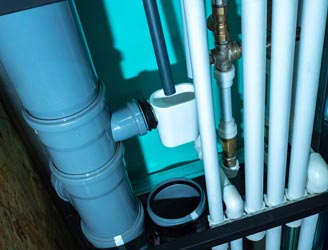
1. Poor Tank Maintenance and Inspection Protocols
What can go wrong: Corrosion, faulty valves, and outdated tanks are some of the most common culprits in leaks, vapor releases, and explosions.
Broker insight: Encourage clients to follow a documented inspection and maintenance schedule. Also, clearly declare whether tanks are owned, leased, or maintained by a third party—this matters for liability and coverage placement.
2. Inadequate Employee Training
What can go wrong: Untrained or seasonal employees may skip protocols or mishandle hazmat materials, leading to serious safety events.
Broker insight: Proper onboarding and ongoing hazmat training should be part of the client’s operations—insurers look for this during underwriting
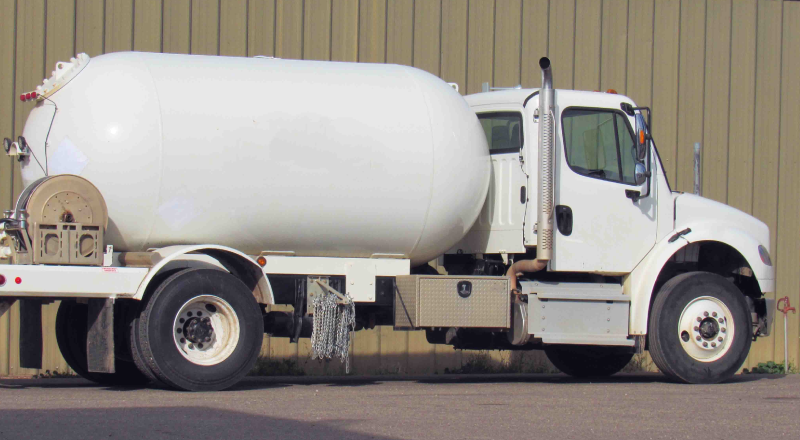
3. Unsafe Deliveries or Transfers
Broker insight: Ensure clients have well-documented transfer procedures and strong auto liability limits. Pollution coverage is also critical here—PropanePro’s appetite includes these high-risk touchpoints.
4. Missing Safety Signage or Access Controls
What can go wrong: Inadequate fencing, signage, or access protocols can create public safety hazards and trigger liability claims.
Broker insight: Brokers should confirm clients meet or exceed local, state, and federal tank storage and facility safety requirements. Underwriters will evaluate these during risk control or inspections.
5. Incomplete Incident Documentation
What can go wrong: Vague or missing incident reports can delay or even derail claims—especially in high-severity events.
Broker insight: Encourage clients to document every safety event, including near-misses. Photos, employee statements, timestamps, and logs are critical for efficient claims resolution.
How PropanePro Helps Brokers and Clients Stay Covered
- Industry-aligned coverage for pollution, hazmat transport, and tank ownership
- Underwriting that understands the real-world exposures
- Guidance for brokers on preparing strong, accurate submissions
Final Thought:
Helping clients understand and avoid these safety missteps doesn’t just reduce risk—it builds trust. And as a broker, it sets you apart as a knowledgeable partner in protecting what matters most.
Want to win more propane accounts—without the underwriting surprises?
Lets Talk
FAQs
Q: What is liquid petroleum gas insurance coverage, and how does it differ from standard commercial insurance?
Liquid petroleum gas insurance covers the real risks of your operation, including loading incidents, vapor leaks, contamination, cyberattacks, and regulatory shutdowns. It’s built to respond to failures across infrastructure, delivery, and compliance, not just property damage or accidents.
Q: How does insurance handle claims related to liquid petroleum gas loading equipment failures?
A strong policy will cover equipment breakdown, service disruption, site cleanup, and even environmental fallout. The best ones also include legal defense and income loss tied to the downtime, not just the hardware itself.
Q: Are cyber attacks on liquid petroleum gas facilities covered by standard business insurance?
Cyber liability for LPG operations should cover ransomware, operational shutdowns, lost access to systems, and regulatory fallout. Most basic plans exclude this, so you need protection that specifically targets your tech infrastructure.
Q: Does liquid petroleum gas insurance cover gradual environmental leaks or only sudden incidents?
Specialized LPG policies should cover both sudden leaks and long-term environmental damage, like vapor seepage, soil contamination, or odor issues that emerge over time, along with extended legal defense and third-party claims.