




Hydroponics vs. Traditional Farming: 5 Coverage Gaps Brokers Can’t Ignore
July 2025 by NIP Group Team
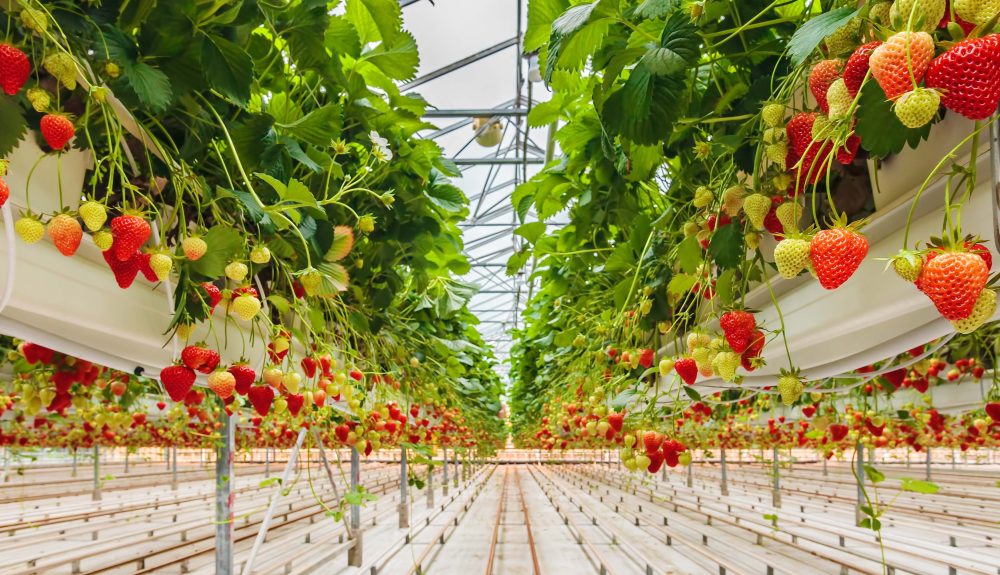
Hydroponics isn’t just a trend—it’s transforming agriculture. With 90% less water use and up to 10x higher yields, growers are scaling vertical farms at record speed. But as operations get more complex, so do the risks.
For brokers, this evolution presents an opportunity—and a challenge. Hydroponic clients often outgrow traditional farm policies fast. Here are five critical risk areas that demand targeted coverage—and how GrowPro helps close the gaps.
1. System Failure = Crop Failure
Risk Profile: High
Industry Impact: Lost yields, operational downtime, equipment damage
Hydroponic farms depend on pumps, sensors, and climate controls to function. One power outage, leak, or system glitch can mean total crop failure. Unlike traditional farms, there’s no weather buffer or soil-based fallback.
Insurance Protection Needed:
- Equipment breakdown coverage for hydro systems
- Business interruption to cover downtime and revenue loss
- Growing stock endorsements for in-progress crops
Takeaway: Fire isn’t the only high-risk scenario. System failure can wipe out revenue in hours—make sure your clients are covered.
2. Injuries in controlled environments
Risk Profile: Moderate to High
Industry Impact: Worker injury claims, OSHA violations, lost productivity
Indoor growing environments introduce unique risks—slips on wet surfaces, vertical climbing injuries, and repetitive motion strain. These incidents can carry long recovery times and complex claims.
Insurance Protection Needed:
- Workers’ compensation tailored for indoor ag environments
- EPLI to cover workplace liability
- Safety services or inspections to mitigate risks proactively
Takeaway: Indoor ag may look safer—but it’s filled with hidden injury risks. Make sure policies match the real exposures.
3. Cyber risk is growing with AgTech
Risk Profile: Moderate
Industry Impact: System shutdowns, data breaches, delivery disruption
Hydroponic farms run on software. That means cyberattacks can hit nutrient systems, lighting, climate controls, and more. Without protection, a breach could halt production or damage inventory.
Insurance Protection Needed:
- Standalone cyber liability policy
- Tech E&O coverage for digital system providers
- Incident response and recovery planning
Takeaway: As agtech expands, so does risk. Cyber protection is no longer optional for modern farms.
4. Pollution liability from wastewater
Risk Profile: Moderate
Industry Impact: Environmental damage, regulatory fines, reputational harm
Nutrient-rich wastewater can be toxic to local ecosystems if spilled or leaked. Many states regulate disposal, and cleanup costs can be significant.
Insurance Protection Needed:
- Pollution liability (on-site and off-site)
- Environmental coverage for storage, spills, and disposal
- Defense coverage for EPA-related claims
Takeaway: Pollution isn’t just a manufacturing risk. Hydroponics operations need specialized endorsements.
5. Crop & Product Loss Gaps
Risk Profile: High
Industry Impact: Lost revenue, denied claims, underinsurance
Traditional crop policies often don’t apply to hydroponic environments. Most losses come from human error or mechanical failure—not weather or pests.
Insurance Protection Needed:
- Growing stock coverage for hydroponic yields
- Inland marine for product in transit
- Custom policy endorsements for hybrid risks
Takeaway: A standard crop policy won’t cut it. Coverage must reflect how indoor crops actually fail.
GrowPro: Build for controlled agriculture
At NIP Group, we created GrowPro to address the unique needs of greenhouse and hydroponic operations. Our policy structure is built around real exposures and backed by deep industry expertise.
Coverage Highlights Include:
- Equipment breakdown and cyber protection
- Pollution and liability coverage tailored for indoor farming
- Business interruption and property loss
- Workers’ comp for indoor environments
- Custom endorsements for growing stock and product in transit
FAQs
Q: Do hydroponic farms qualify for traditional crop insurance?
A: Often no. Traditional coverage is built around field-based risks, not tech-driven environments.
Q: What’s the biggest risk brokers overlook for hydroponics?
A: Equipment breakdown and cyber liability. Many brokers don’t realize how dependent these farms are on integrated systems.
Q: How do I know if my client needs pollution liability?
A: If the operation uses nutrient-rich water, it’s a must. Wastewater exposure creates financial and legal risks.
Q: What makes GrowPro different from standard horticulture policies?
A: It’s purpose-built for indoor growing and greenhouse risks—not retrofitted from field farming.
Protect Smart Agriculture with Smart Insurance Hydroponic and greenhouse operators are building the future of farming. Make sure their insurance strategy matches that innovation.